EN
- VN
- FR
- ZH
Unlike the tropical south, northern Vietnam weather offers a true four-season cycle—spring, summer, autumn, and winter. This diversity makes the region a fascinating destination for travelers who want to experience varied landscapes and cultural rhythms.
Seasonal changes of northern Vietnam weather from spring blossoms to winter frost.
In spring, Hanoi’s streets bloom with peach blossoms and festival crowds. Summers bring humid heat and green rice fields stretching across the countryside. Autumn is the most poetic season, with golden leaves around Hoan Kiem Lake and glowing harvest terraces in Sapa and Ha Giang. Winter, meanwhile, transforms the mountains into misty highlands, sometimes even dusted with frost or snow, while Hanoi becomes cozy with steaming bowls of pho and egg coffee.
Misty morning in Hanoi showcasing the diversity of climate in northern Vietnam.
This constant change ensures that every trip to the north feels different—whether you are exploring Hanoi, cruising Ha Long Bay, trekking in the highlands, or cycling through Ninh Binh.
Spring in northern Vietnam is mild and refreshing, with temperatures ranging from 18°C to 25°C. Occasional light drizzles keep the air cool and the landscapes vibrant. Hanoi’s flower markets, Perfume Pagoda festivals, and countryside peach blossoms make this a lively season.
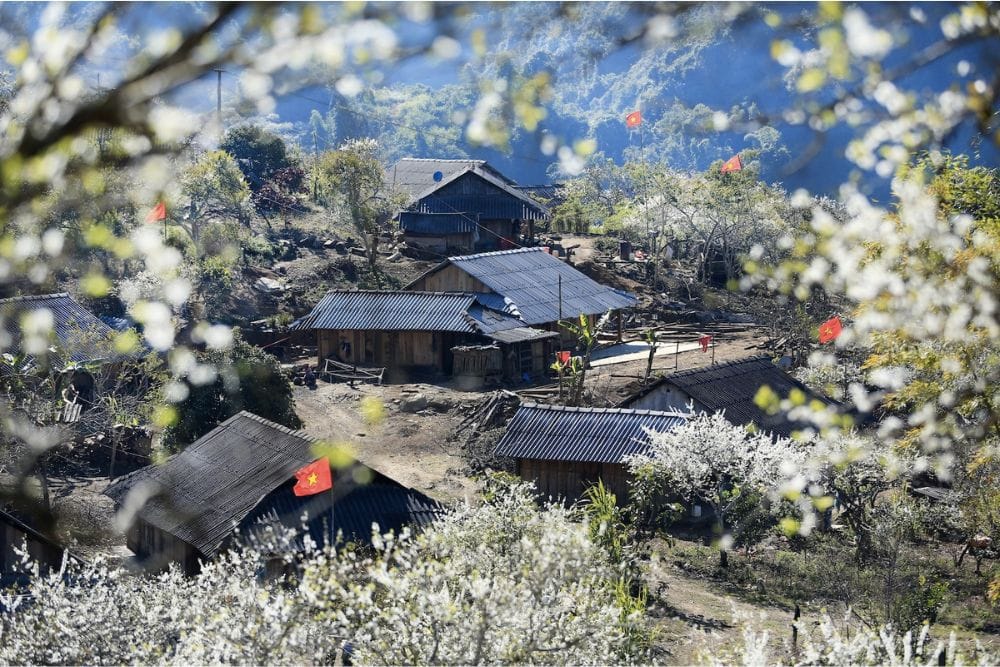
Blossoming peach and plum flowers signaling mild spring northern Vietnam weather
Ninh Binh is especially beautiful during spring. The rice paddies are lush, the Trang An waterways are calm, and the weather is perfect for cycling or boat rides. Trekking in Yen Tu or Ba Vi mountains also becomes more enjoyable under mild conditions.
Summer brings heat and humidity, with average highs of 28°C–35°C. Afternoon showers refresh the countryside and make rice terraces in Mu Cang Chai shimmer in green. For relief from the heat, travelers often head to the highlands like Sapa or Moc Chau Plateau, where cooler mountain air offers comfort.

Cycling through vibrant countryside landscapes refreshed by seasonal showers.
Ha Long Bay is a highlight of summer in northern Vietnam. Clear skies and emerald waters create ideal conditions for cruising, kayaking, and swimming. Despite short rain showers, the season offers some of the most photogenic skies of the year.
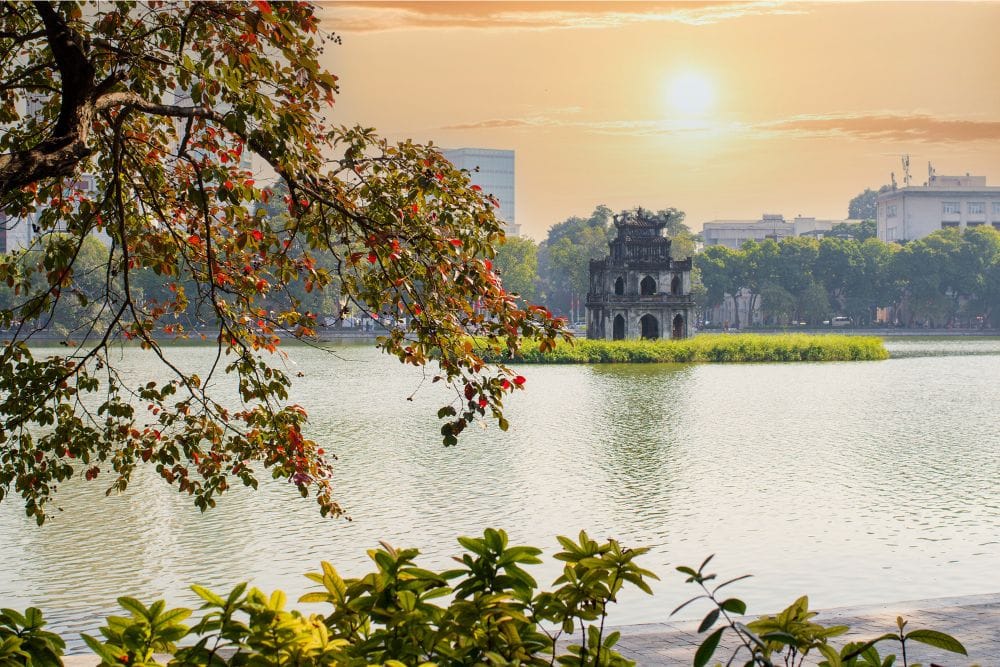
Autumn is widely considered the best season for northern Vietnam weather. The air is cool and crisp, averaging 20°C–28°C, with little rain and plenty of sunshine. Hanoi’s Old Quarter becomes especially charming, with golden leaves falling along Hoan Kiem Lake.
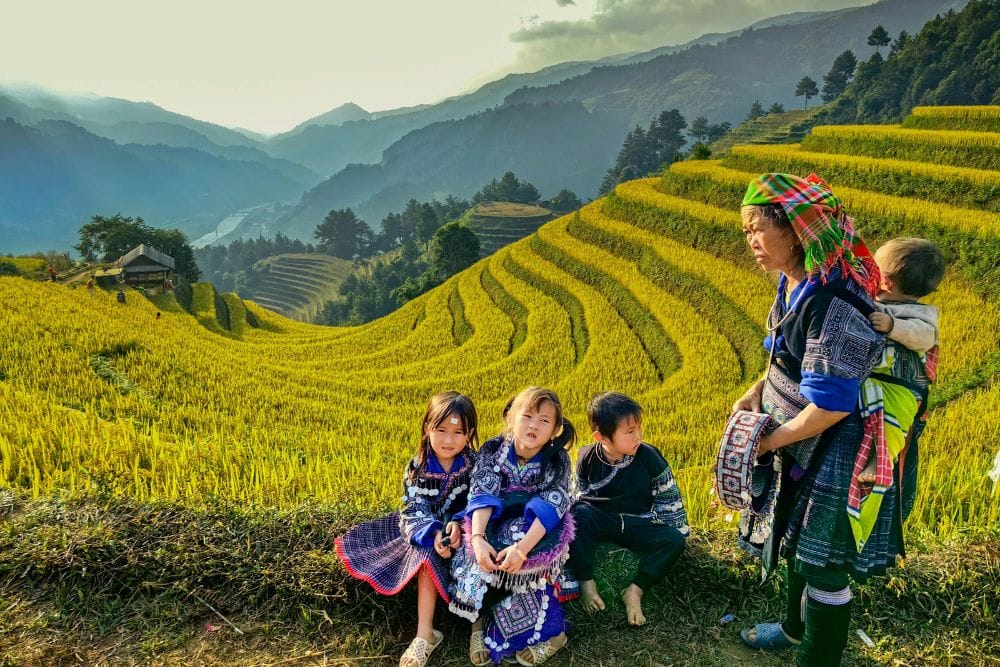
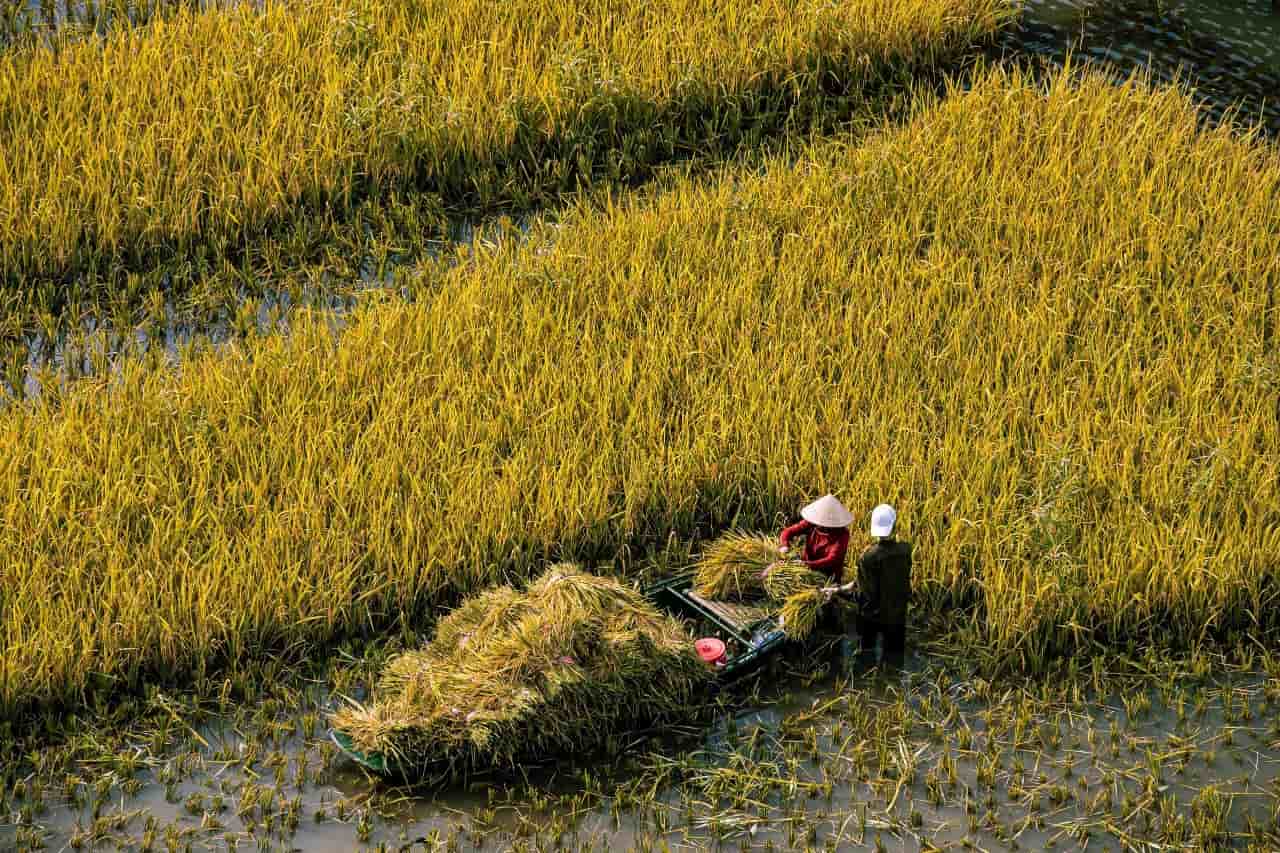
Golden rice terraces in Mu Cang Chai capturing the beauty of autumn northern Vietnam weather.
For photographers and trekkers, autumn is harvest time in Mu Cang Chai and Ha Giang. Golden rice terraces blanket the mountains, drawing travelers from around the world. Ancient villages such as Duong Lam and the Trang An Landscape Complex also reveal their most pleasant side in autumn’s gentle weather.
Winter brings the sharpest contrast. Hanoi and the Red River Delta cool down to 10°C–18°C, often with misty mornings and chilly evenings. In the highlands, temperatures can fall close to 0°C, and places like Sapa or Mau Son may even see frost or snow.
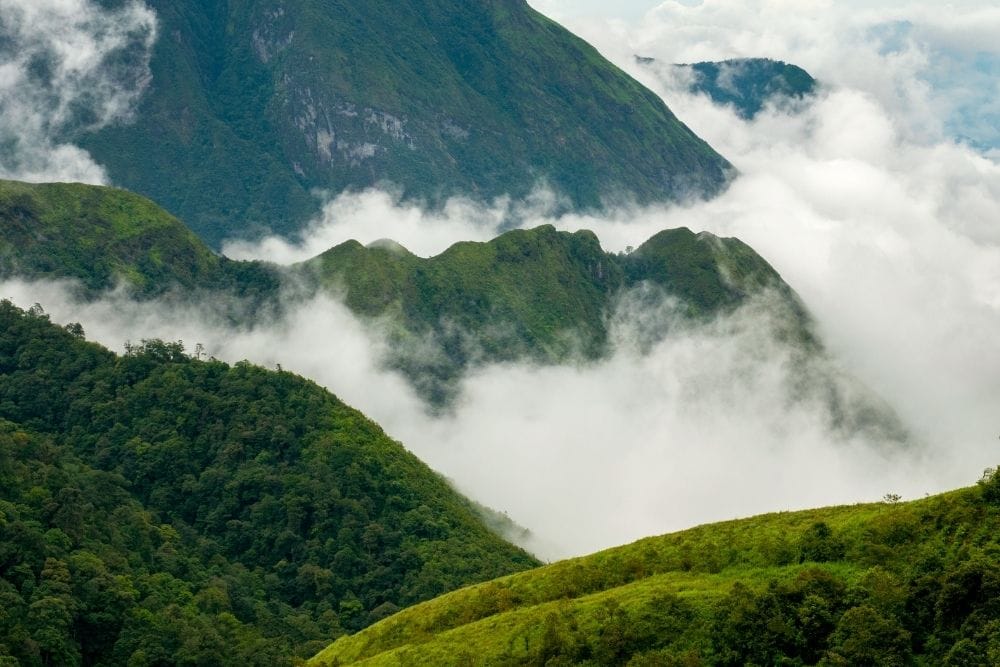
Frosty Sapa mountains offering rare glimpses of snow in northern Vietnam.
This season offers a different kind of beauty—mist-covered mountains, foggy rice terraces, and atmospheric cityscapes. Enjoy a steaming bowl of pho on a cold Hanoi morning or sip egg coffee as you watch the city’s mist roll in. For adventurers, trekking through snow-kissed peaks in Ha Giang offers an unforgettable experience.
Although the entire region experiences four distinct seasons, northern Vietnam weather varies depending on geography. From rugged mountains to fertile plains and stunning coastlines, each sub-region offers its own climate and charm.
The highlands experience the most dramatic weather shifts. Summers are cool and refreshing compared to the lowlands, making them popular escapes from the heat.
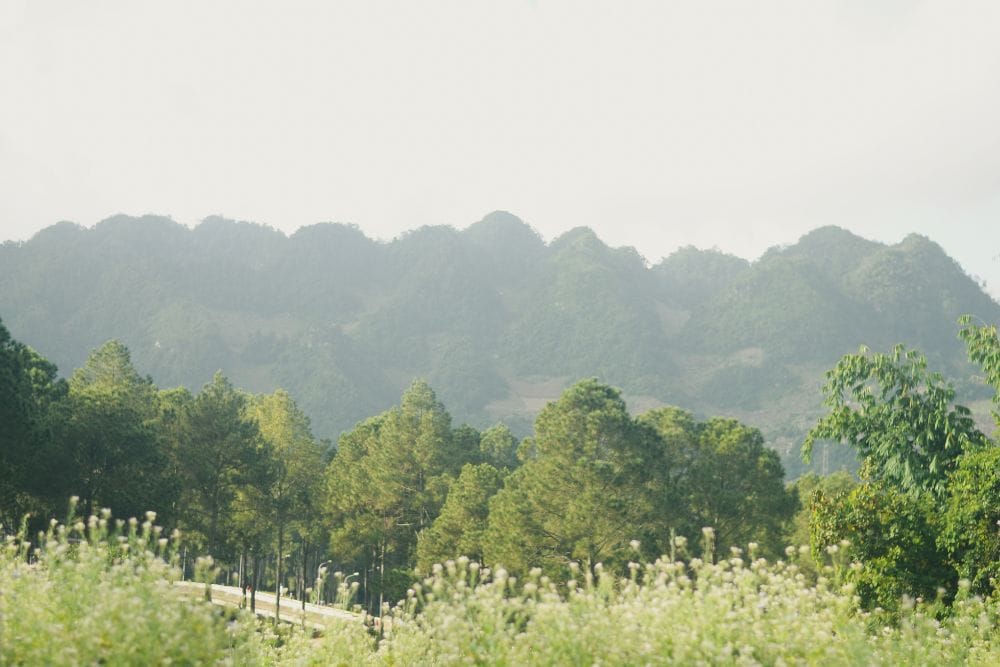
Moc Chau plateau during summer rains, a refreshing escape from northern heat.
While Autumn is breathtaking, with golden rice terraces glowing under crisp skies. Winters can be harsh, with temperatures dropping near or below freezing in Sapa and Ha Giang, sometimes even bringing frost or rare snowfall. Spring transforms valleys into colorful landscapes with blooming peach and plum blossoms.
The delta region reflects the essence of northern Vietnam weather with its hot, humid summers and cool, misty winters. In Hanoi, summer highs reach 35–38°C, with sudden showers refreshing the city’s lakes and tree-lined streets. Autumn is perhaps the most poetic season, with golden leaves falling around Hoan Kiem Lake.
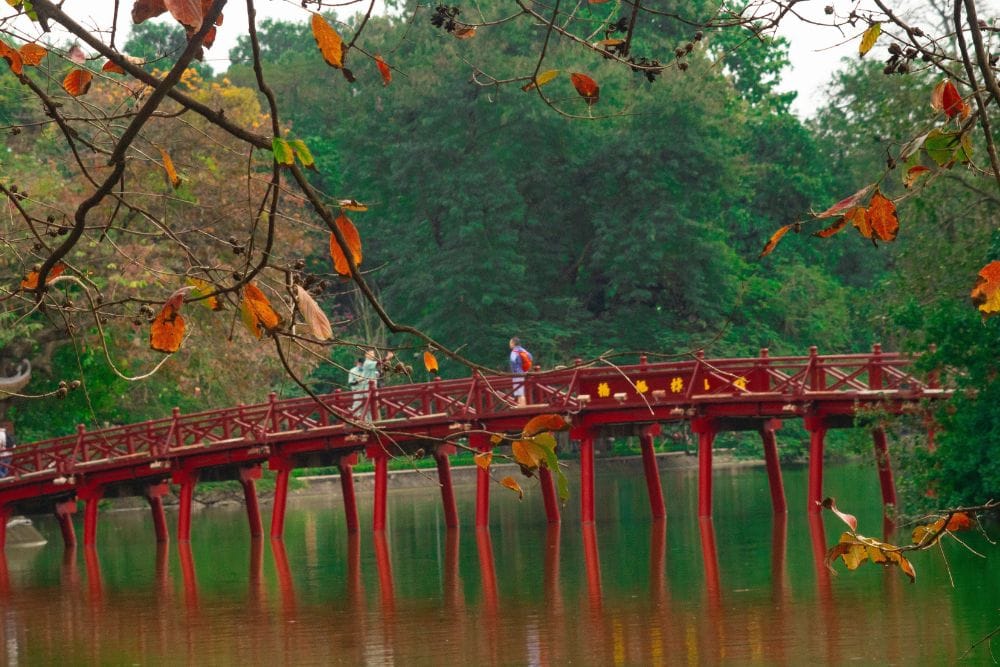
Autumn leaves around Hoan Kiem Lake capturing Hanoi’s northern Vietnam weather charm.
Winter is marked by drizzle and mist, creating a tranquil atmosphere, while spring brings mild temperatures and festival season. Ninh Binh, part of the delta, mirrors Hanoi’s climate but showcases it against dramatic limestone karsts and river valleys.
Travelers looking for a full retreat experience can explore our guide to the Ultimate Ninh Binh Retreat Experience in Vietnam, or learn why Ninh Binh is considered a Natural Gem Among Asia’s Top Destinations.
Along the northeastern coast, the weather is moderated by the sea. Summers are sunny and perfect for cruising, kayaking, and swimming. Autumn offers calm waters and clear skies, making it the best season for photography and sightseeing.

Ha Long Bay under bright summer skies, ideal for exploring northern Vietnam weather at sea.
Winters are cooler, and the bay often becomes cloaked in mist, creating a dreamlike atmosphere. Spring is pleasant, with mild temperatures that make outdoor exploration comfortable and scenic.
The diversity of northern Vietnam weather means every season opens doors to unique travel experiences. Below is a closer look at what you can enjoy throughout the year.
Flower Markets in Hanoi: During spring, Hanoi’s weather is mild and fresh, making it the perfect time to stroll through Quang Ba Flower Market. Blossoms of peach and kumquat trees fill the air with fragrance, reflecting the festive spirit of Tet.
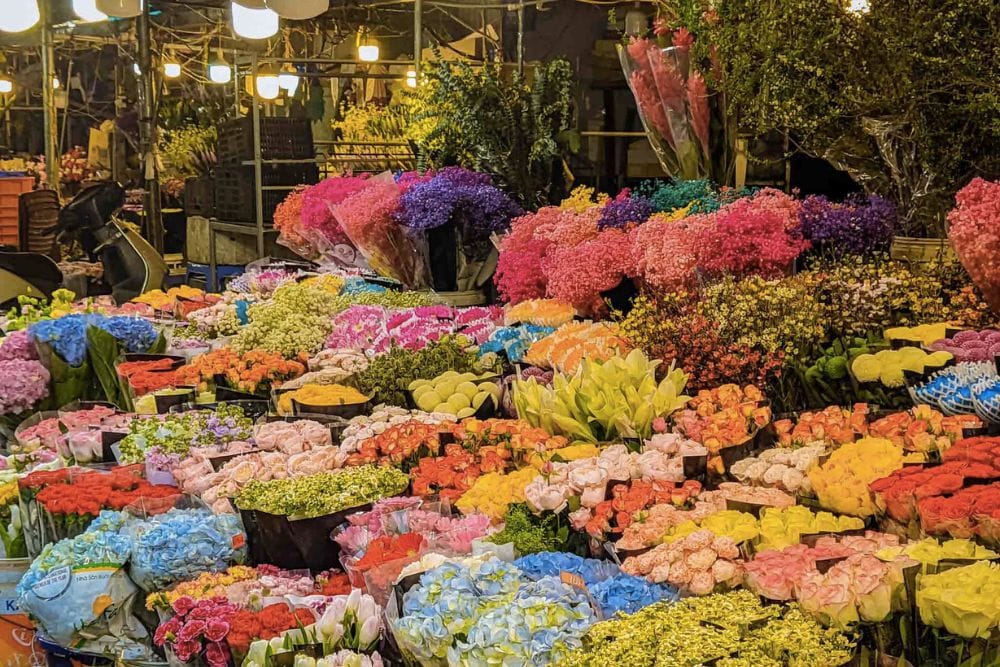
Colorful Hanoi flower markets highlighting springtime in northern Vietnam weather.
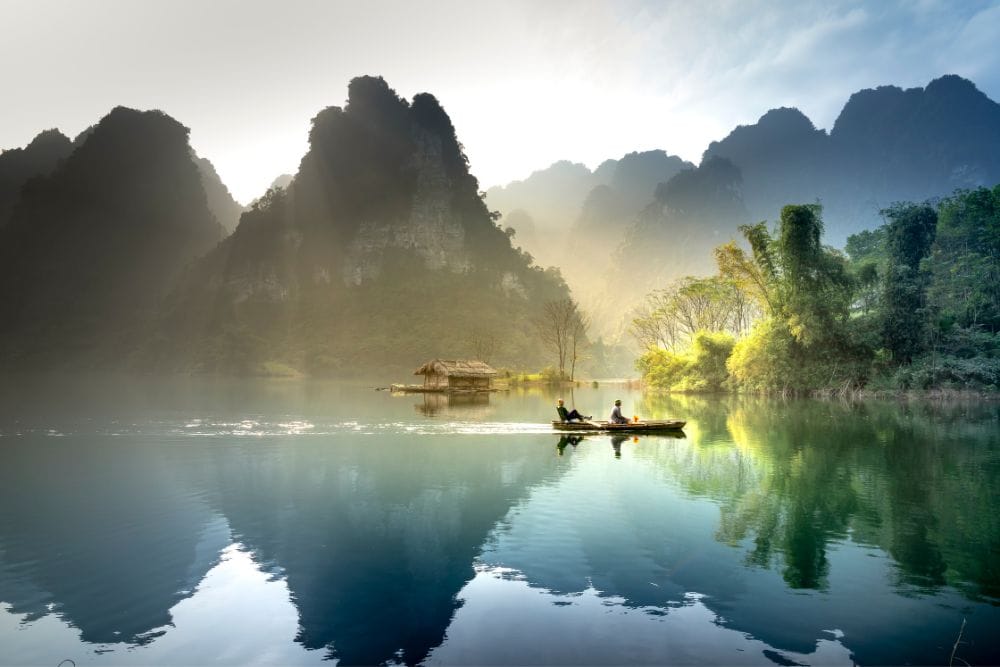
Boat Rides in Ninh Binh: With temperatures around 18–23°C and light drizzles adding a mystical touch, boat rides along the Trang An or Tam Coc rivers become magical experiences, as limestone cliffs rise out of misty waters.
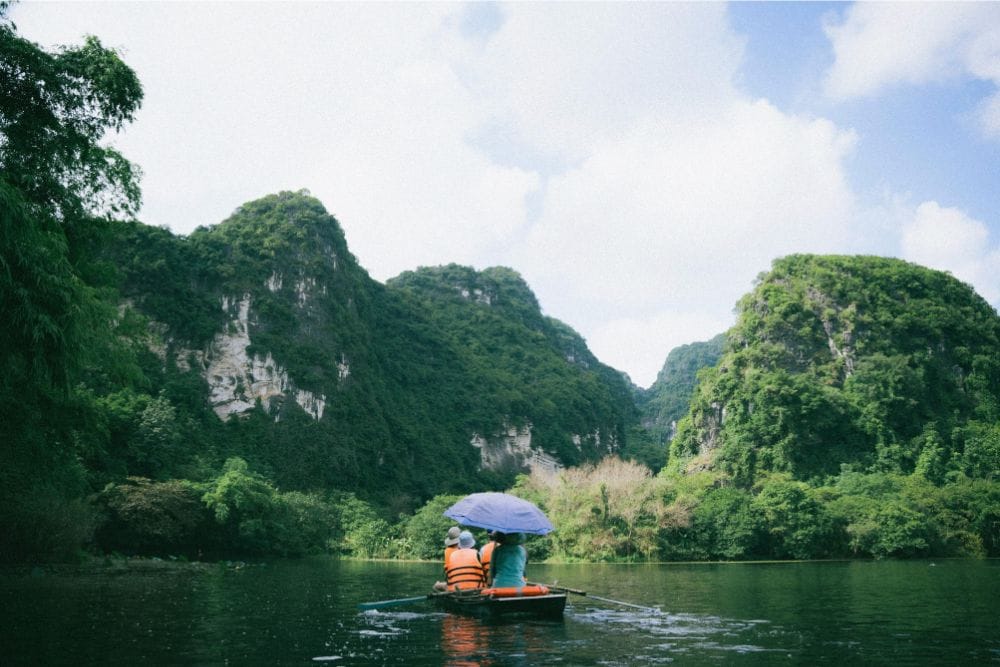
Trang An boat rides through misty rivers during early spring in Ninh Binh.
Pilgrimage to Perfume Pagoda: The season also marks Vietnam’s largest pilgrimage festival. Travelers hike through green valleys and take boat journeys along the Yen Stream under refreshing spring skies.
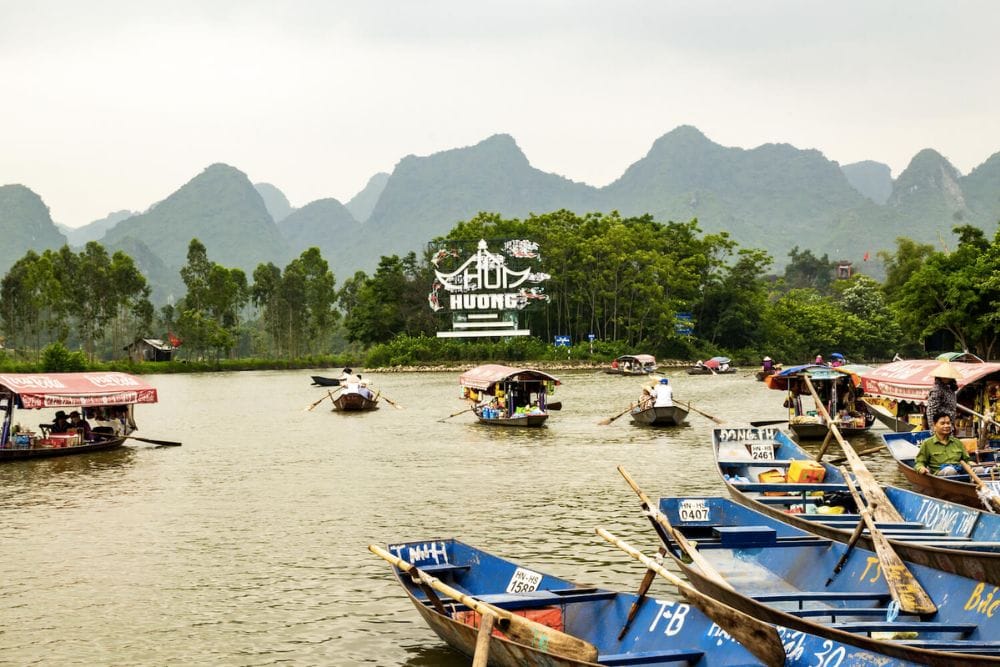
Pilgrims on Yen Stream journeying to Perfume Pagoda under mild spring skies.
Cruising Ha Long Bay: Clear skies and warm waters make summer the peak season for exploring Ha Long Bay. While temperatures can rise above 35°C, cool breezes from the sea balance the heat, creating ideal conditions for kayaking and swimming.

Ha Long Bay cruises under sunny skies, a summer highlight of northern Vietnam weather.
Trekking in Sapa: Summer showers refresh terraced fields, painting the highlands in lush green. The cooler climate of Sapa (20–25°C) makes it a comfortable escape from Hanoi’s humidity. Trekking routes wind through villages and rice paddies alive with summer growth.
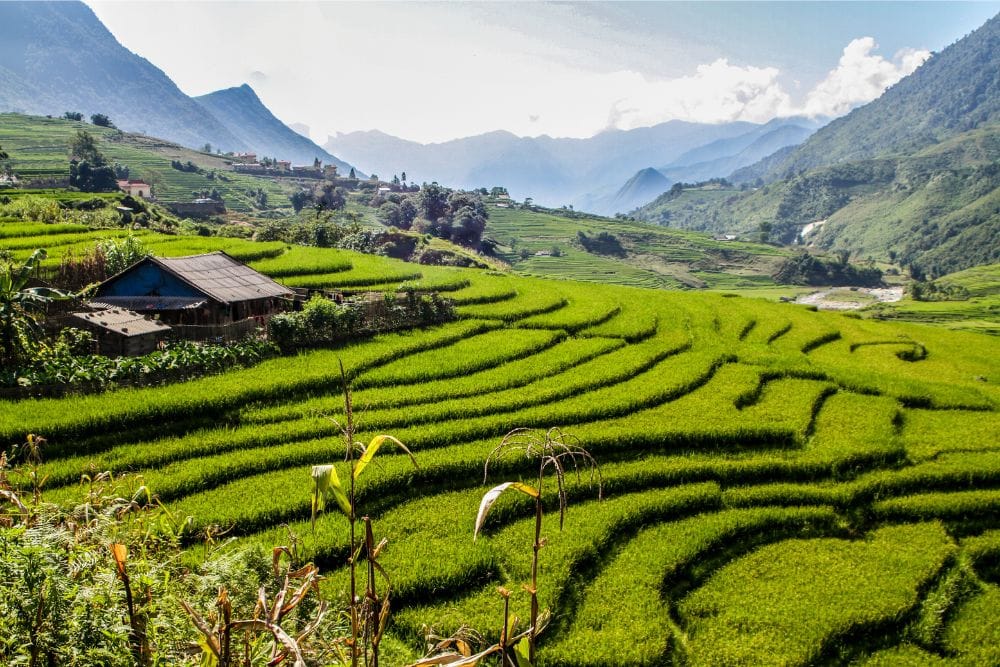
Trekking in lush green Sapa valleys cooled by summer rains.
Exploring Moc Chau Plateau: Moc Chau becomes a green haven in summer. Vast tea plantations thrive under bright sunlight, while occasional rains cool the landscape, making it perfect for photography and cycling tours.
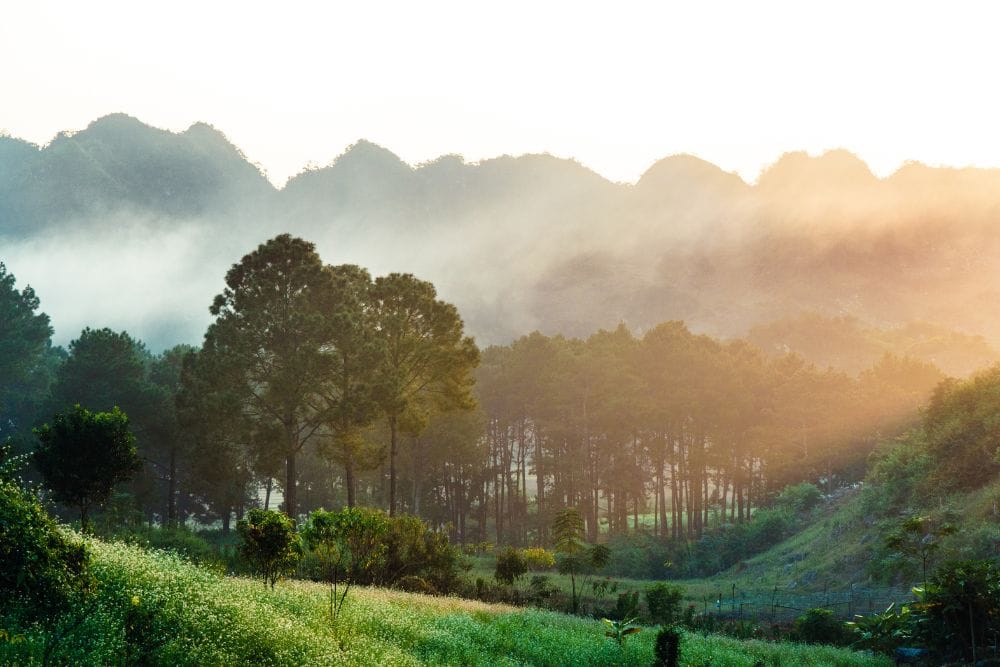
Moc Chau tea plantations thriving under bright summer sunlight.
Hanoi’s Golden Streets: Autumn in Hanoi is cool and dry, with temperatures around 20–28°C. The streets are filled with yellow leaves, and the air carries a distinctive crispness. Enjoy walking around Hoan Kiem Lake or sipping coffee in the Old Quarter.
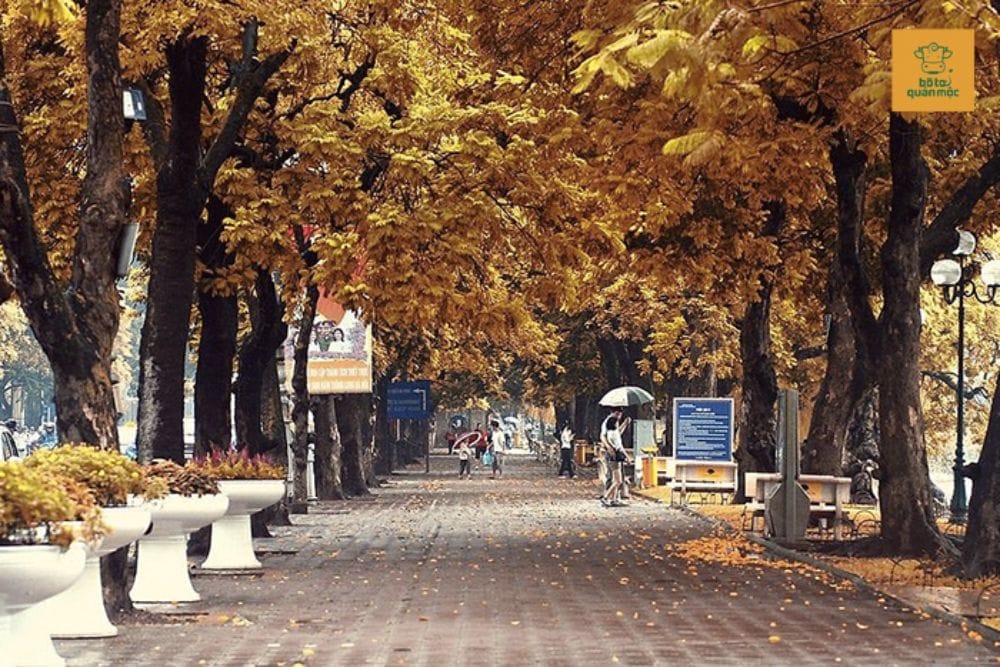
Golden leaves along Hanoi’s streets showcasing the best time to visit northern Vietnam.
Rice Terraces in Mu Cang Chai: September and October mark the harvest season. Terraces glow in golden hues under blue skies, and the mild autumn weather makes trekking and photography particularly rewarding.
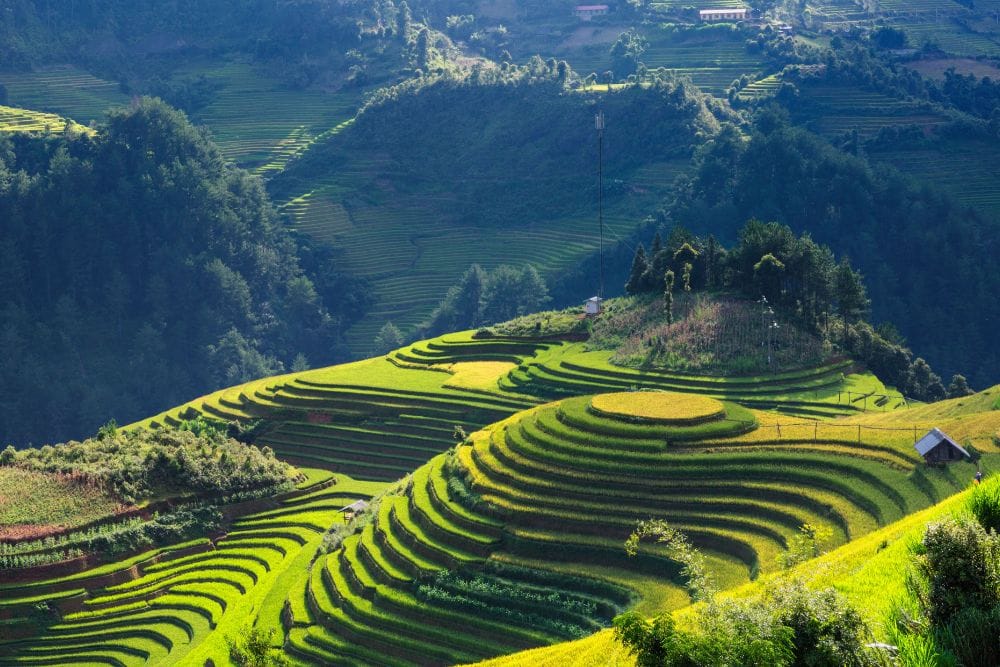
Harvest season rice terraces in Mu Cang Chai under crisp autumn skies.
Cycling in Trang An: With cooler temperatures and clear skies, autumn is the perfect season for cycling along the karst valleys and rice paddies of Ninh Binh. The scenery combines golden fields with the tranquil flow of rivers.
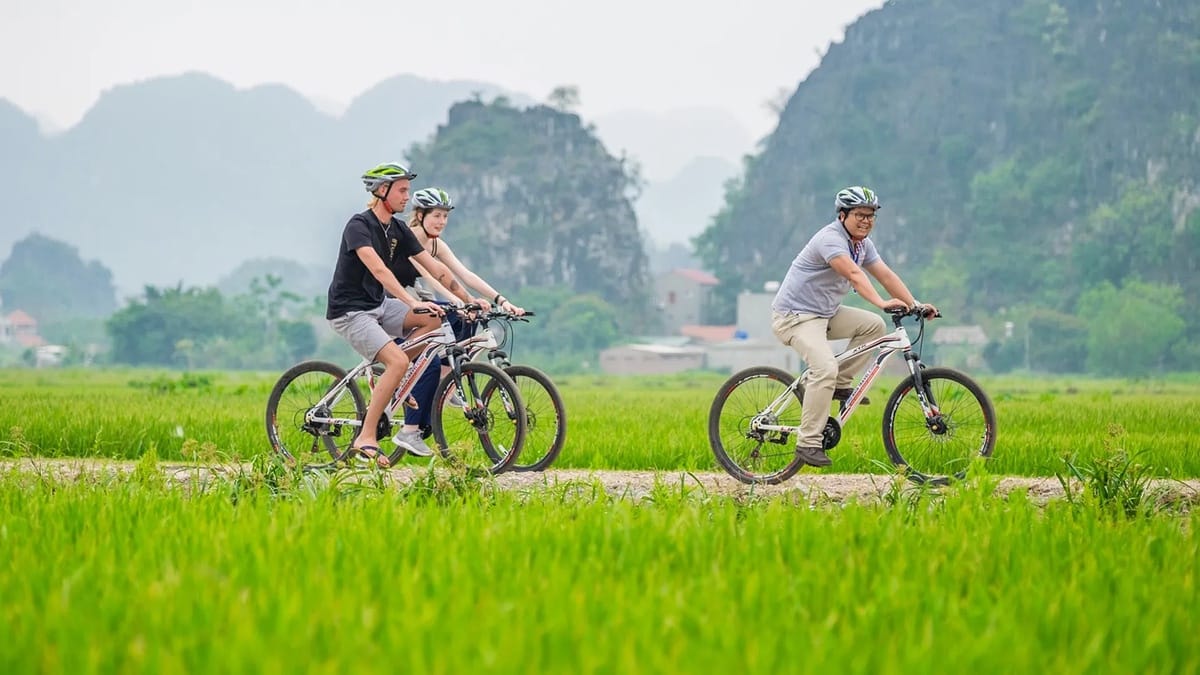
Cyclists exploring Trang An valleys in perfect autumn weather.
Ban Gioc Waterfall reaches its most powerful and dramatic flow in late August, creating a breathtaking scene of white water cascading down the cliffs. The roaring falls contrast with the tranquil landscapes of northern Vietnam weather, making autumn the best season to witness its grandeur. By October, the waterfall softens into a gentler flow, embodying both strength and serenity, adding a unique charm to the golden autumn atmosphere.
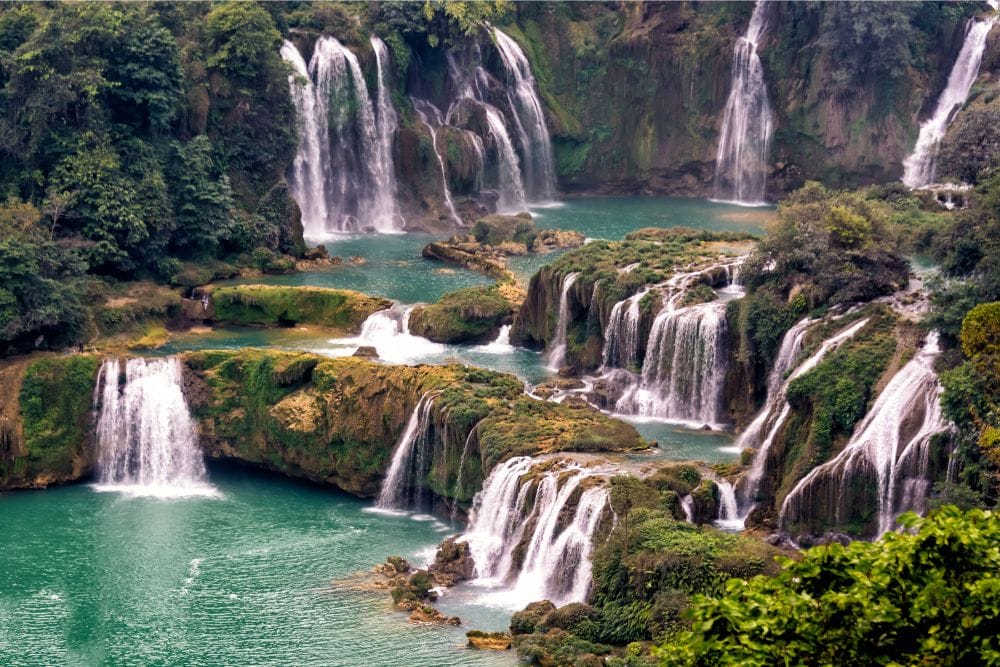
Ban Gioc Waterfall roaring in September, showcasing the power of northern Vietnam’s autumn climate.
For more ideas on seasonal highlights, check our blog on Vietnam in September or explore theTop 14 Best Places to Visit in Vietnam for inspiration.
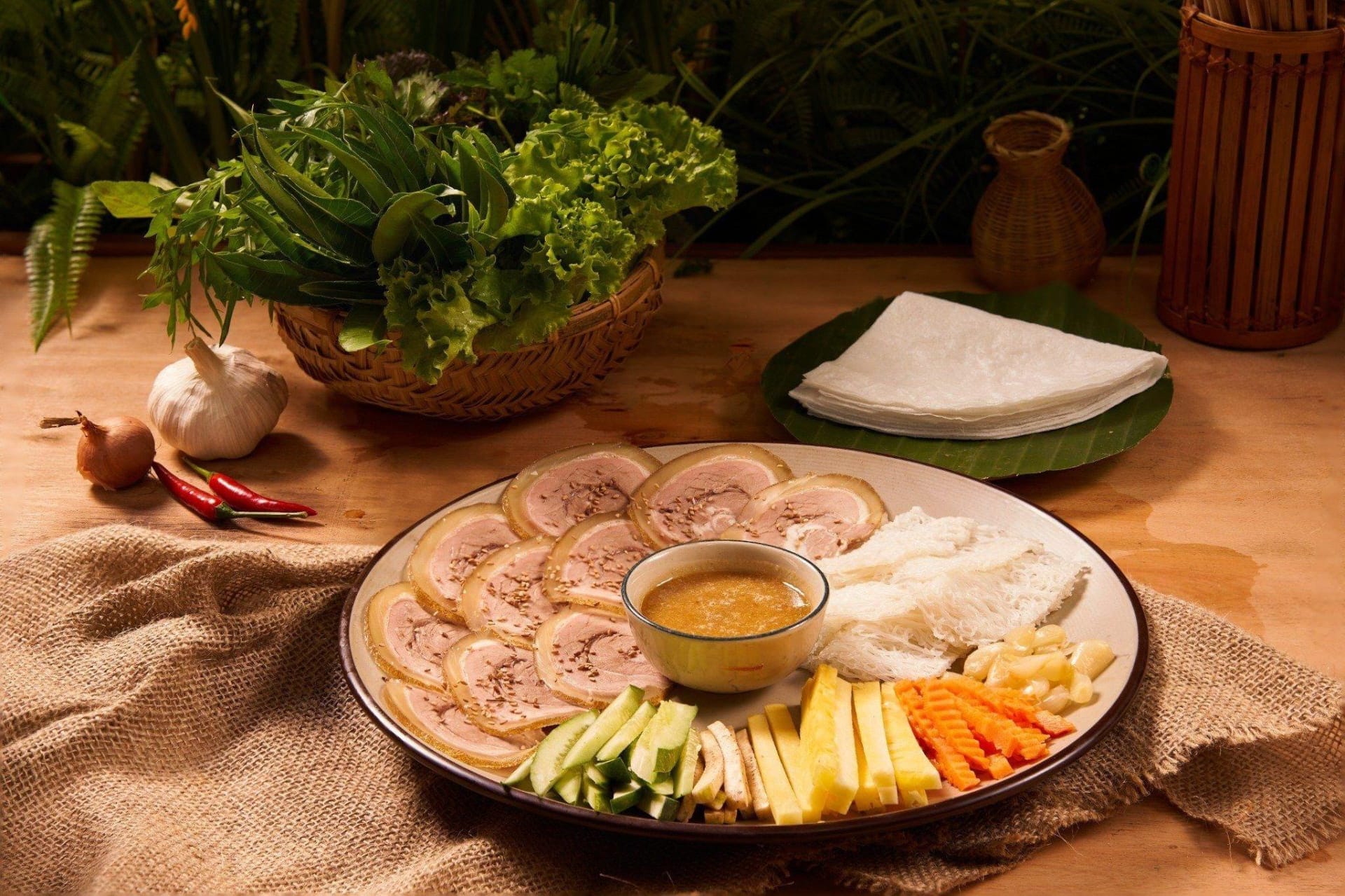
Street Coffee and food in Hanoi: Winter in Hanoi averages 10–18°C with mist and light drizzle. The chilly atmosphere makes street food experiences—like hot pho or egg coffee—especially comforting.
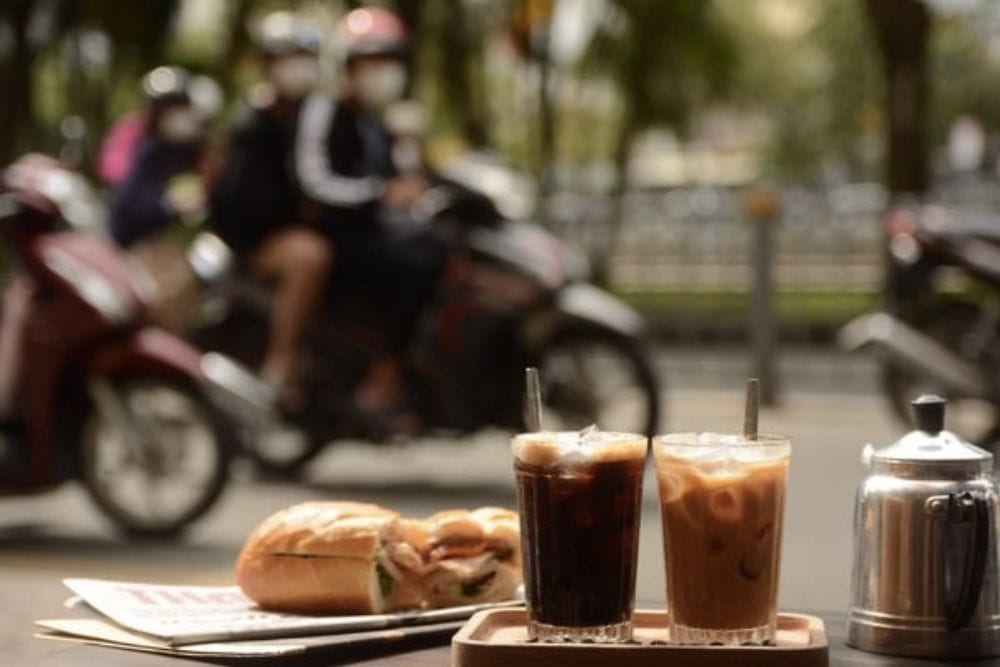
Tourists enjoy break-fast in Hanoi to warm up in chilly winter northern Vietnam weather.
Frosty Trails in Sapa: In the highlands, temperatures can drop below freezing, with occasional frost or even snow. Trekking during this season offers mystical views of mist-covered valleys and quiet mountain villages.
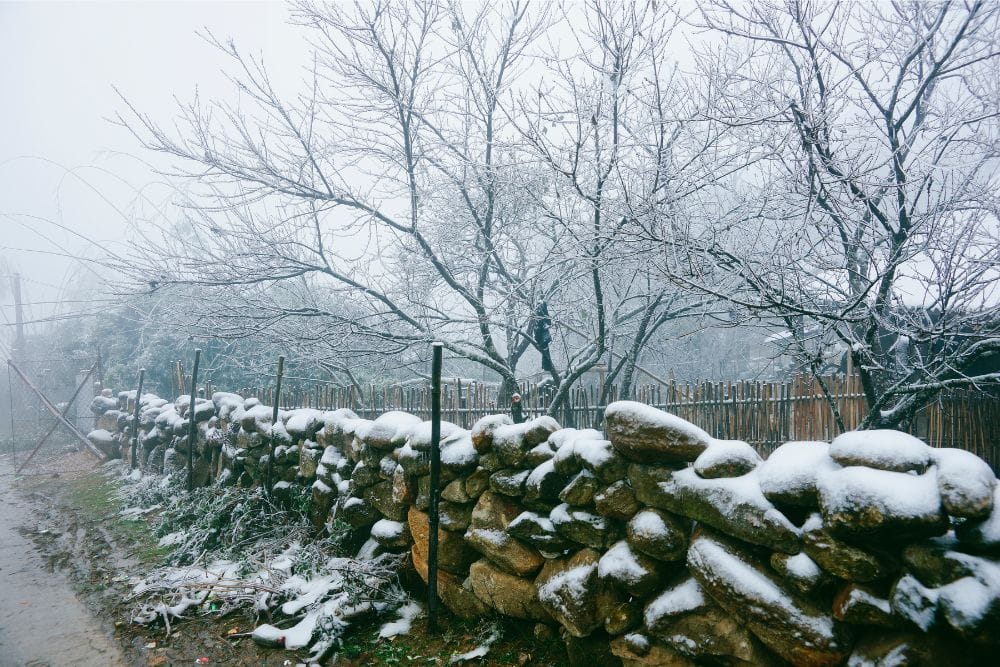
Frosty Sapa mountains offering rare glimpses of snow in northern Vietnam.
Misty Ha Long Bay: Winter transforms Ha Long Bay into a surreal landscape. Low-hanging fog softens the limestone peaks, creating breathtaking scenery best admired on overnight cruises.
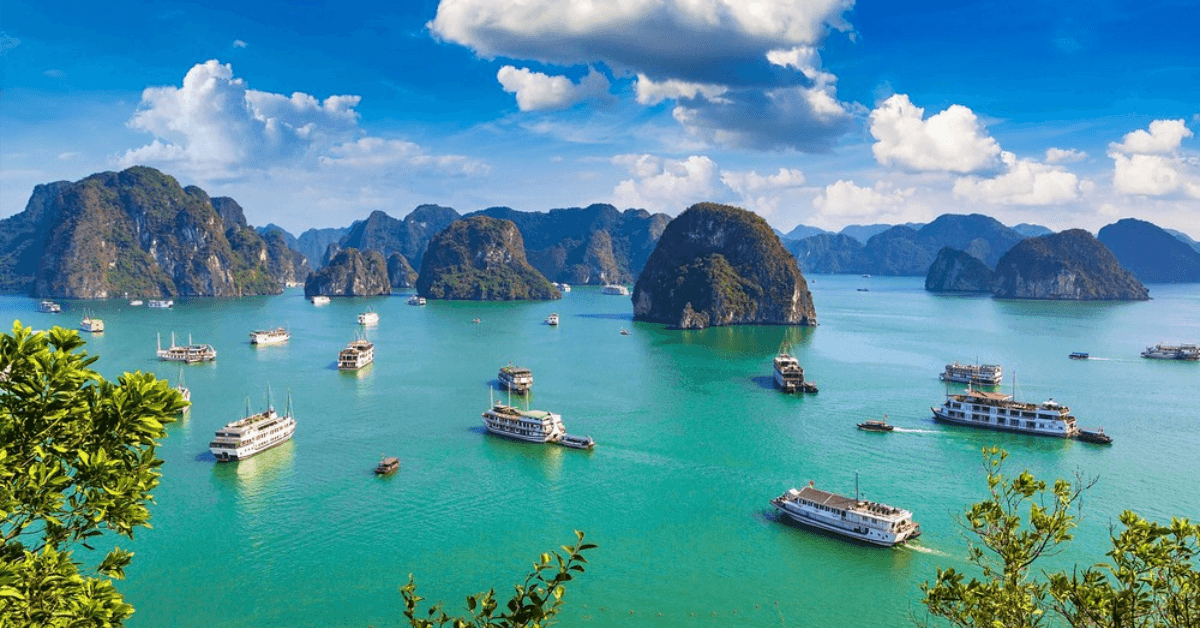
Mist-covered Ha Long Bay creating a surreal winter landscape.
Winter in northern Vietnam is chilly yet charming, with Hanoi’s street food scene offering warmth and comfort. Sapa sometimes witnesses frost or even snow, creating rare but magical landscapes. For those planning ahead, our seasonal guide on the Best Time to Travel to Vietnam 2025 provides insights into where to go and what to expect. And if you’re seeking a peaceful retreat during the cold months, consider staying at one of the Top 5 Luxury Hotels in Ninh Binh.
Preparing for the region’s shifting seasons is key to enjoying your journey. Here are some essential tips tailored to northern Vietnam weather.
Northern Vietnam has sharp contrasts—light clothes and sunscreen for hot summers, warm layers and scarves for chilly winters, and versatile outfits for spring and autumn. Always carry a compact umbrella or raincoat, as sudden showers are common.

Smart packing tips to adapt to seasonal changes in the northern Vietnam weather.
The climate can change quickly, so combine outdoor sightseeing with indoor cultural experiences. On rainy days, explore Hanoi’s museums or enjoy traditional performances. In Ninh Binh, stay at Jiva Hoa Lư Retreat where heated pools and family-friendly facilities balance outdoor adventures with indoor relaxation.

exploring cultural museums when the weather and climate in Vietnam shift to sudden rain also a smart option
Seasonal weather can enrich cultural experiences. In autumn, festivals fill Hanoi’s streets with lanterns. In winter, steaming bowls of pho become a local comfort. At Jiva Hoa Lư Retreat, families can also try fishing with traditional nets or enjoy a Xẩm folk singing performance regardless of the weather.
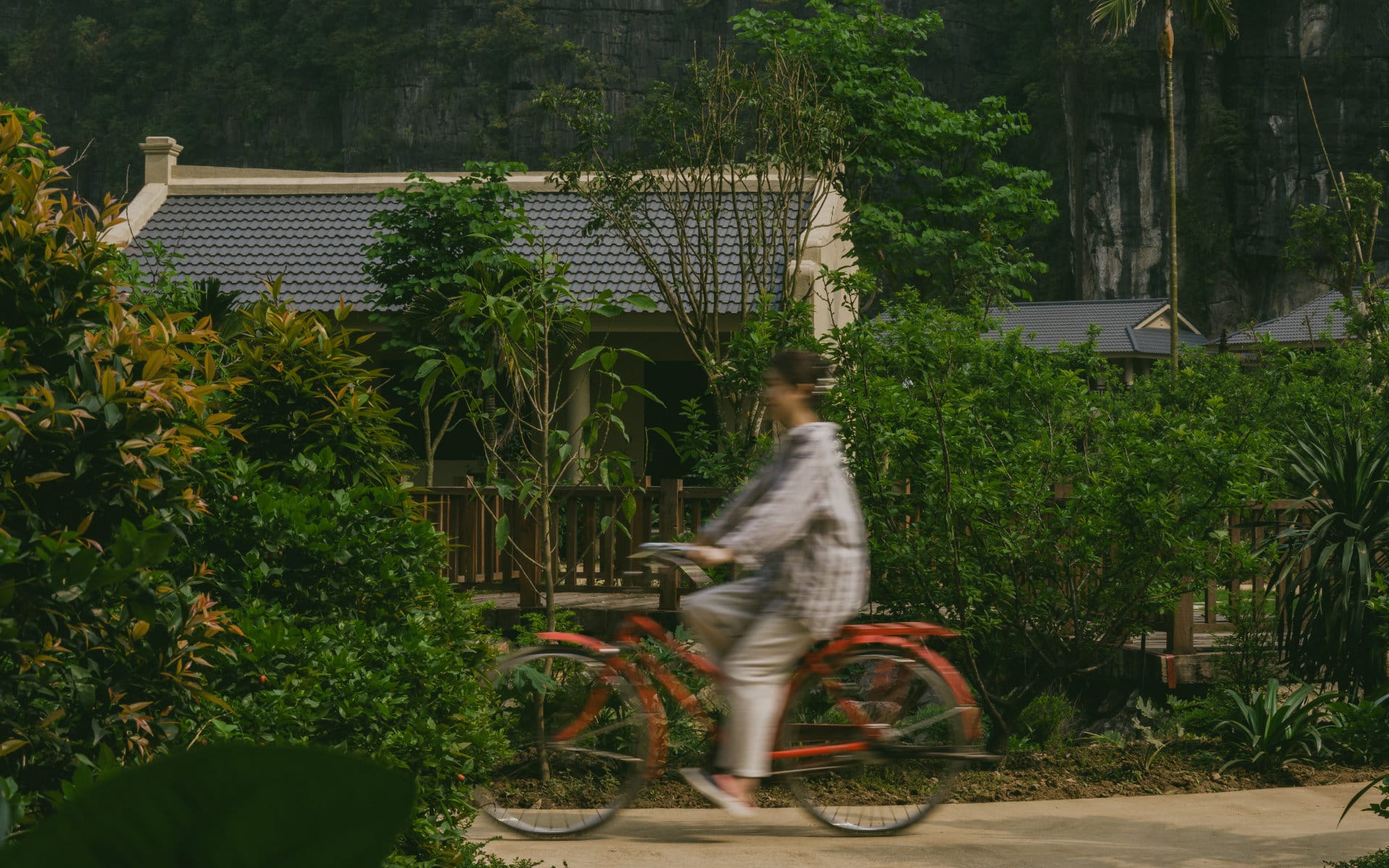
Tourists cycling through village paths in Ninh Binh, turning seasonal rains into memorable travel moments
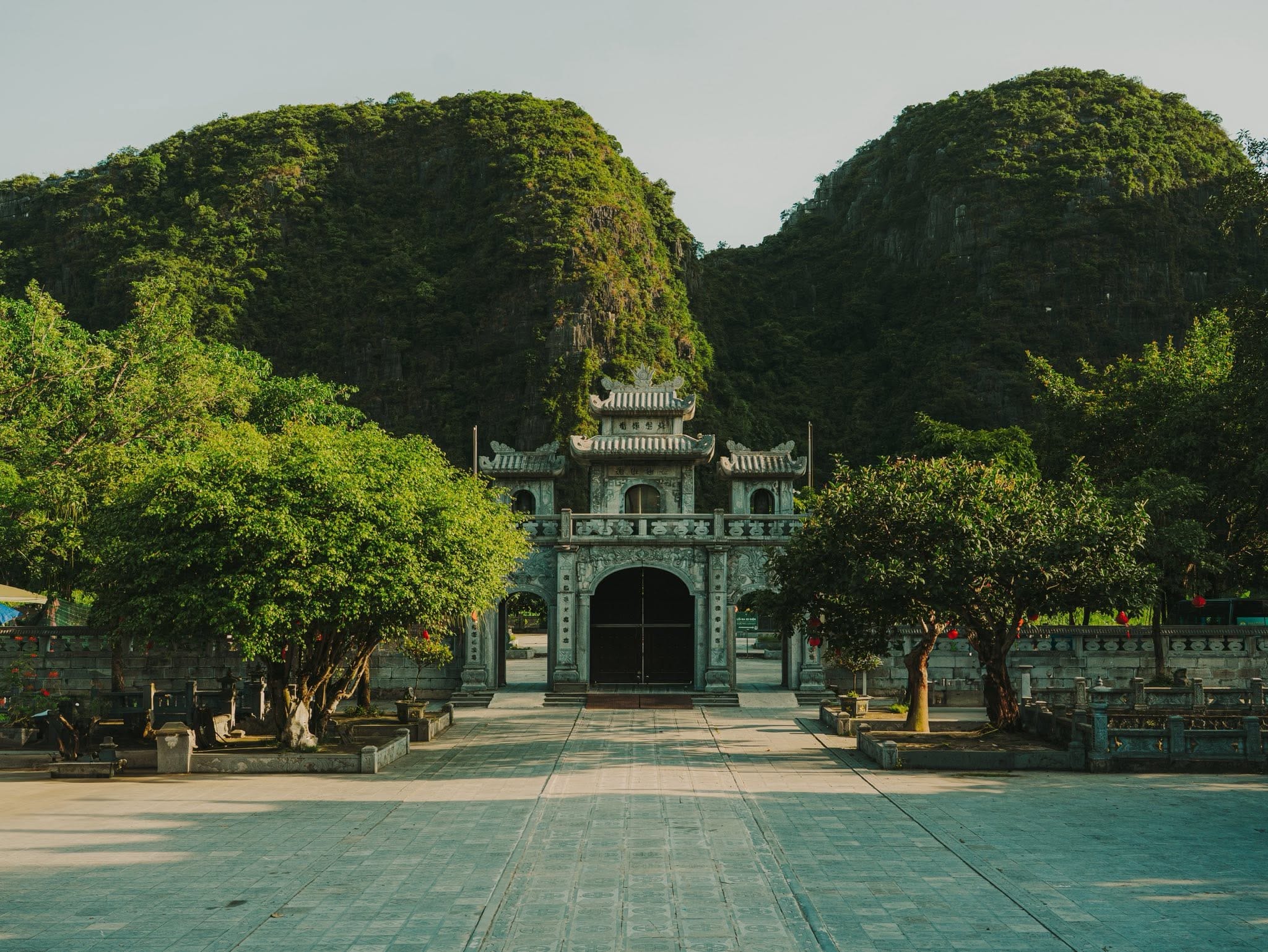
Northern Vietnam weather is not just about landscapes; it’s also about cultural immersion. Rainy evenings or cool autumn nights are perfect for exploring heritage sites like the Hoa Lư Ancient Capital, or joining local festivals that echo Vietnam’s deep traditions. These experiences make the weather part of the journey rather than an obstacle.
Each season transforms northern Vietnam’s landscapes. Children can pick seasonal fruits at Jiva’s organic gardens, while travelers can hike in Sapa’s crisp autumn air or admire lotus ponds in summer. Embracing the climate in northern Vietnam enhances both cultural and natural experiences.
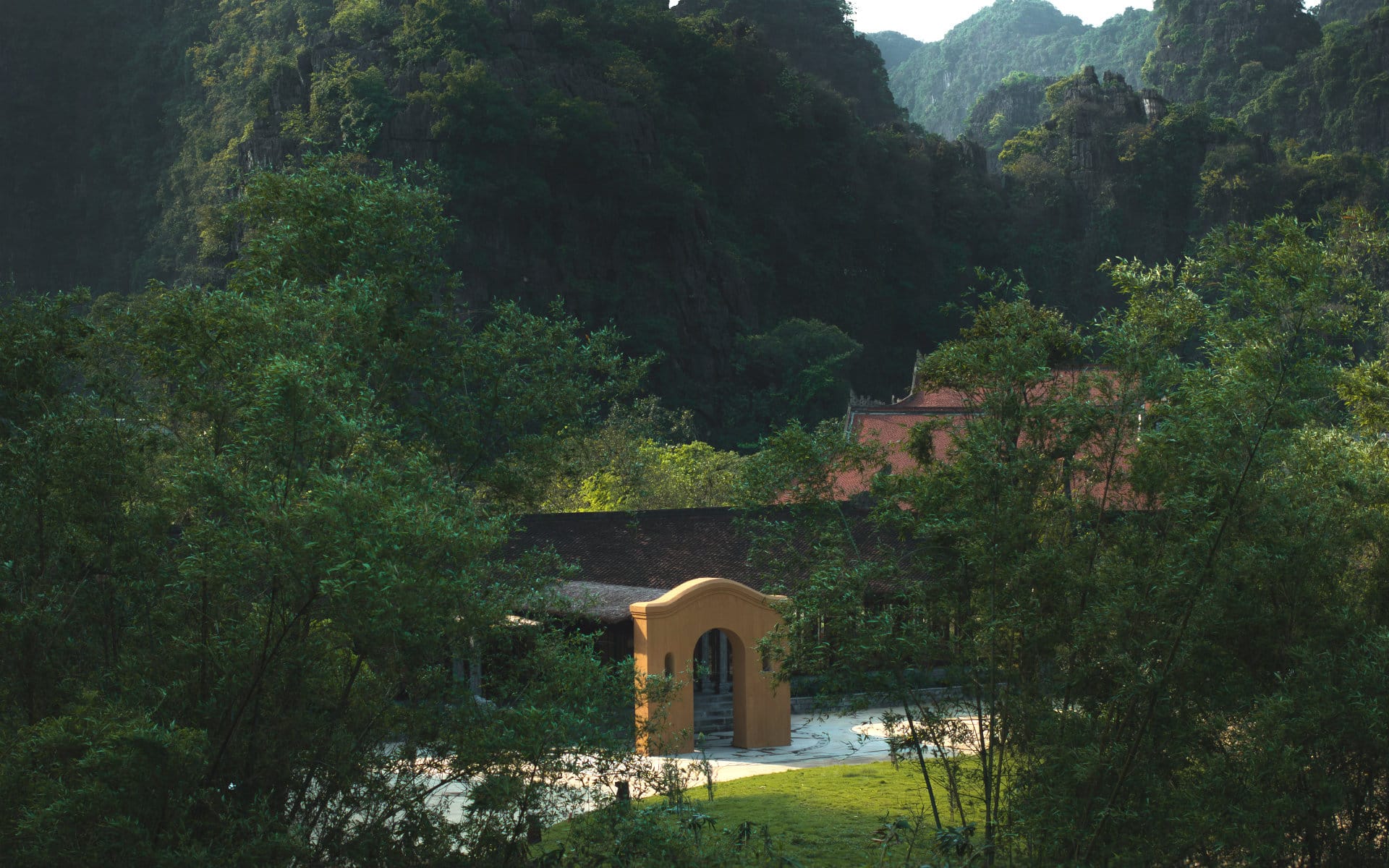
connecting with Vietnam’s natural climate in Jiva’s garden
Immerse yourself in a stay where northern Vietnamese architecture meets world-class comfort. At Jiva Hoalu Retreat, each accommodation blends locally inspired décor with modern luxuries, offering a unique fusion of culture, tradition, and elegance. Whether you’re here for a romantic getaway, a family escape, or a tranquil retreat, Jiva promises unforgettable moments in the heart of Ninh Binh.
Contact Us:
📞 +84 933 006 886
📧 inquiry@jivahoaluretreat.com
🌐 https://demo.jivahoaluretreat.com/
Book now! to enjoy super hot deals
Thank you for your reservation.
You will receive a confirmation from us momentarily
Thank you for reaching out. Your request has been received. Our team will respond within 24 hours.