EN
- VN
- FR
- ZH
As one of the four core zones within the Trang An Landscape Complex, Hoa Lư Ancient Capital stands as a powerful symbol of Vietnam’s rich cultural and historical heritage.

A panoramic view of the majestic mountains surrounding the former Hoa Lư Ancient Capital, the first imperial seat of Vietnam.
Though centuries have passed, the former capital remains peacefully nestled amidst dramatic karst peaks, quiet yet majestic, a golden imprint of a glorious era. In this guide, Jiva Hoa Lư Retreat invites you to journey back in time and uncover the timeless legacy of this sacred land.
As one of the four core zones within the UNESCO World Heritage-listed Trang An Landscape Complex, Hoa Lư Ancient Capital stands as a powerful symbol of Vietnam’s rich cultural and historical heritage. Located in the majestic province of Ninh Binh, this former imperial seat is a living testament to the nation’s enduring spirit and its long struggle for independence.
The tranquil yet dramatic karst peaks defining the landscape of the Trang An Landscape Complex where Hoa Lư is nestled.
Though centuries have passed, the relics of the capital remain peacefully nestled amidst dramatic, towering karst peaks—quiet yet utterly majestic, offering a palpable golden imprint of a glorious era. This unique blend of historical significance and breathtaking natural scenery makes Hoa Lư Ancient Capital a truly essential destination.
Journey back in time: Capturing the essence of a quiet, majestic era at the historical heart of Ninh Binh
We invite you to journey back in time and uncover the timeless legacy of this sacred land—Vietnam’s first capital. Get ready to explore the birthplace of an independent nation and witness the architectural marvels that endure among the iconic landscapes of Ninh Binh.
The unique blend of historical significance and breathtaking natural scenery makes Hoa Lư Ancient Capital a truly essential destination. For a seamless itinerary that covers all the highlights, discover the Unforgettable Ninh Binh Vietnam Tours For First-time Visitors that start right here at Hoa Lư.
The historical site is located in Truong Yen Commune, Hoa Lư District, Ninh Binh Province, approximately 18 kilometers from the Ninh Binh city center.

The rugged limestone mountains that historically formed a natural fortress, providing immense strategic value to Hoa Lư Ancient Capital.
Surrounded by dramatic limestone landscapes and steeped in cultural legacy, this former imperial capital sits at the heart of the Trang An Scenic Landscape Complex, a UNESCO World Heritage site.
See also:
Hoa Lư Ancient Capital holds an unequivocally sacred place in Vietnam’s national story. For 42 significant years, this land served as the country’s first imperial capital, witnessing the birth, defense, and consolidation of a fledgling independent nation.
The location of Hoa Lư was not a matter of chance; it possessed immense strategic value. Surrounded by rugged limestone mountains, the capital was naturally fortified, earning the moniker of a “Natural Great Wall.”

The meandering Hoang Long River provided both a water supply and a crucial waterway for defense and commerce, while the fertile plains of Nho Quan and Gia Viễn stretched beyond. This unique terrain made the city virtually impregnable against invaders.
The history of Hoa Lư Ancient Capital began in 968 with the remarkable Đinh Bộ Lĩnh. After successfully quelling the chaos of the Twelve Warlords (Loạn 12 Sứ Quân) and unifying the country, Đinh Bộ Lĩnh declared himself emperor—Đinh Tiên Hoàng—and established the nation of Đại Cồ Việt.
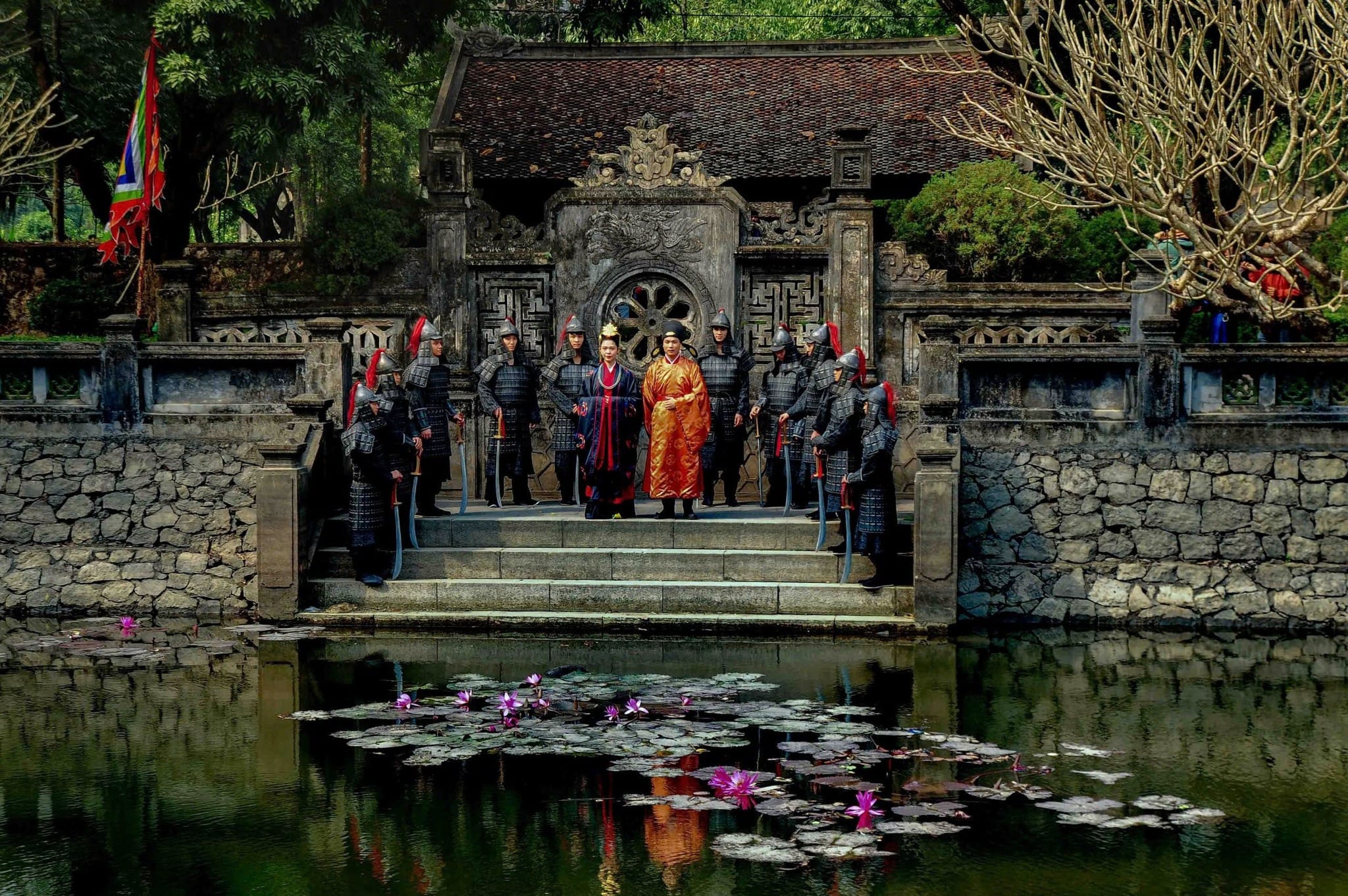
A historical timeline depicting the rise and fall of the Đinh, Early Lê, and Lý Dynasties at Hoa Lư (968–1010)
The selection of Hoa Lư as the capital marked the true dawn of an independent Vietnamese state after a millennium of Chinese domination. Under the short but decisive rule of the Đinh Dynasty, the foundations for a centralized, self-ruled imperial court were laid.
Following the assassination of Emperor Đinh Tiên Hoàng and Crown Prince Đinh Liễn in 980, General Lê Hoàn ascended the throne to counter an imminent Chinese invasion, establishing the Early Lê Dynasty.
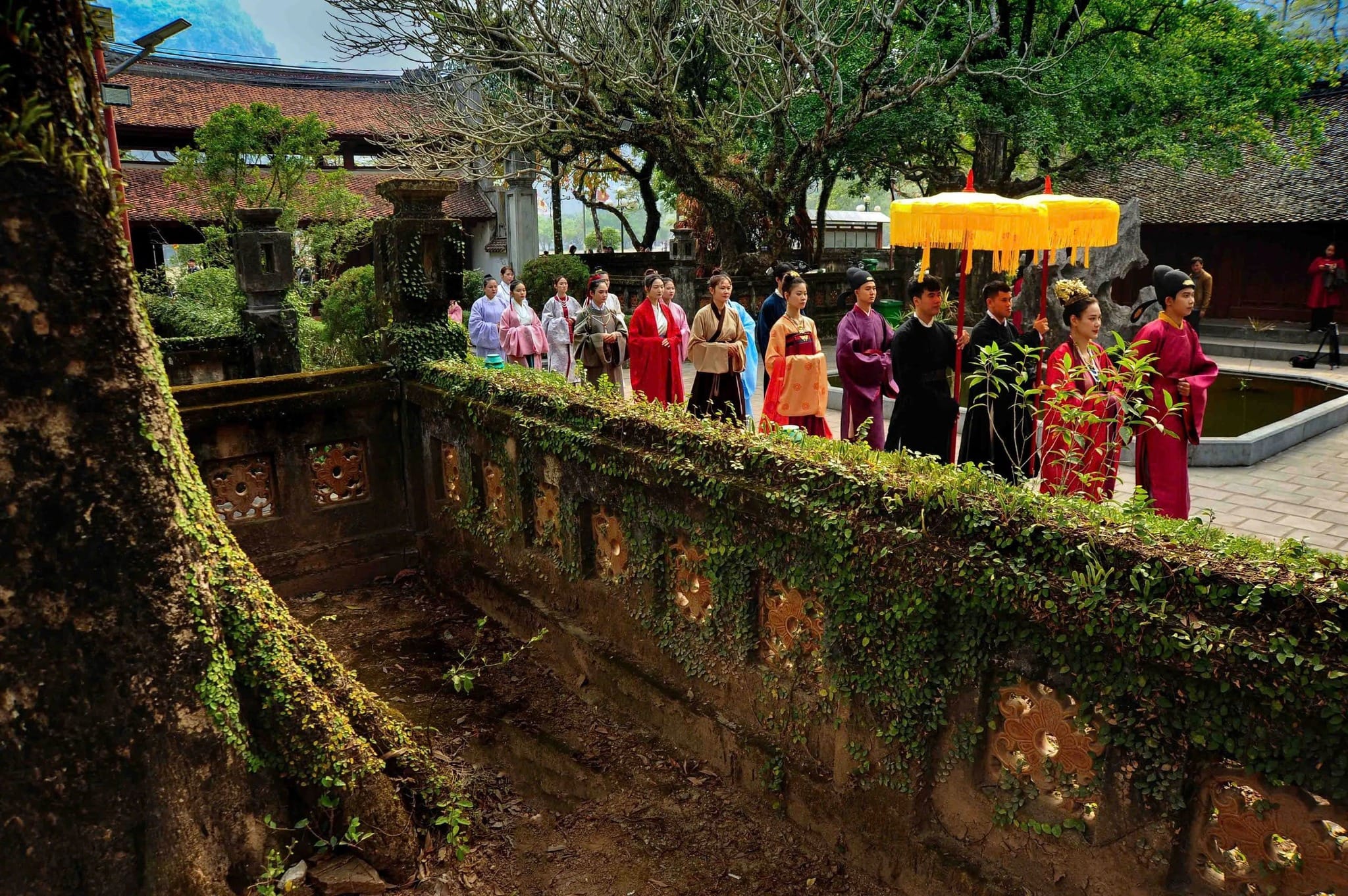
A visual representation of Đại Cồ Việt, the first official nation name, established from the strategic base of Hoa Lư
Hoa Lư Ancient Capital once again demonstrated its strategic might, serving as the essential base from which Lê Hoàn launched a successful defense against the Song Dynasty invasion. The Early Lê Dynasty continued to rule from this mountain-ringed fortress for 29 years, further consolidating the nation’s independence and expanding its territory.
The reign of Hoa Lư concluded in 1010. Emperor Lý Công Uẩn (Lý Thái Tổ) of the newly established Lý Dynasty decided to relocate the imperial seat from the mountainous terrain of Hoa Lư to Đại La, a more centrally located and developed plain, which he renamed Thăng Long (now Hanoi).
While the court moved, Hoa Lư Ancient Capital’s influence did not vanish. Its political, cultural, and architectural blueprints deeply influenced the structure of the new capital, and the temples of the two founding kings—Đinh and Lê—were erected on the former palace grounds, ensuring that the legacy of Vietnam’s first capital would be preserved for future generations.
Exploring Hoa Lư Ancient Capital is more than just visiting monuments; it is a journey through layers of history, legend, and profound architectural beauty. Each temple and ruin within this complex carries a story, echoing the memories of Vietnam’s imperial beginnings.
This temple, built in the 17th century, is one of the most iconic structures within the Hoa Lư Ancient Capital complex. It honors King Đinh Tiên Hoàng and his sons, the founder of the Đinh Dynasty and Đại Cồ Việt.
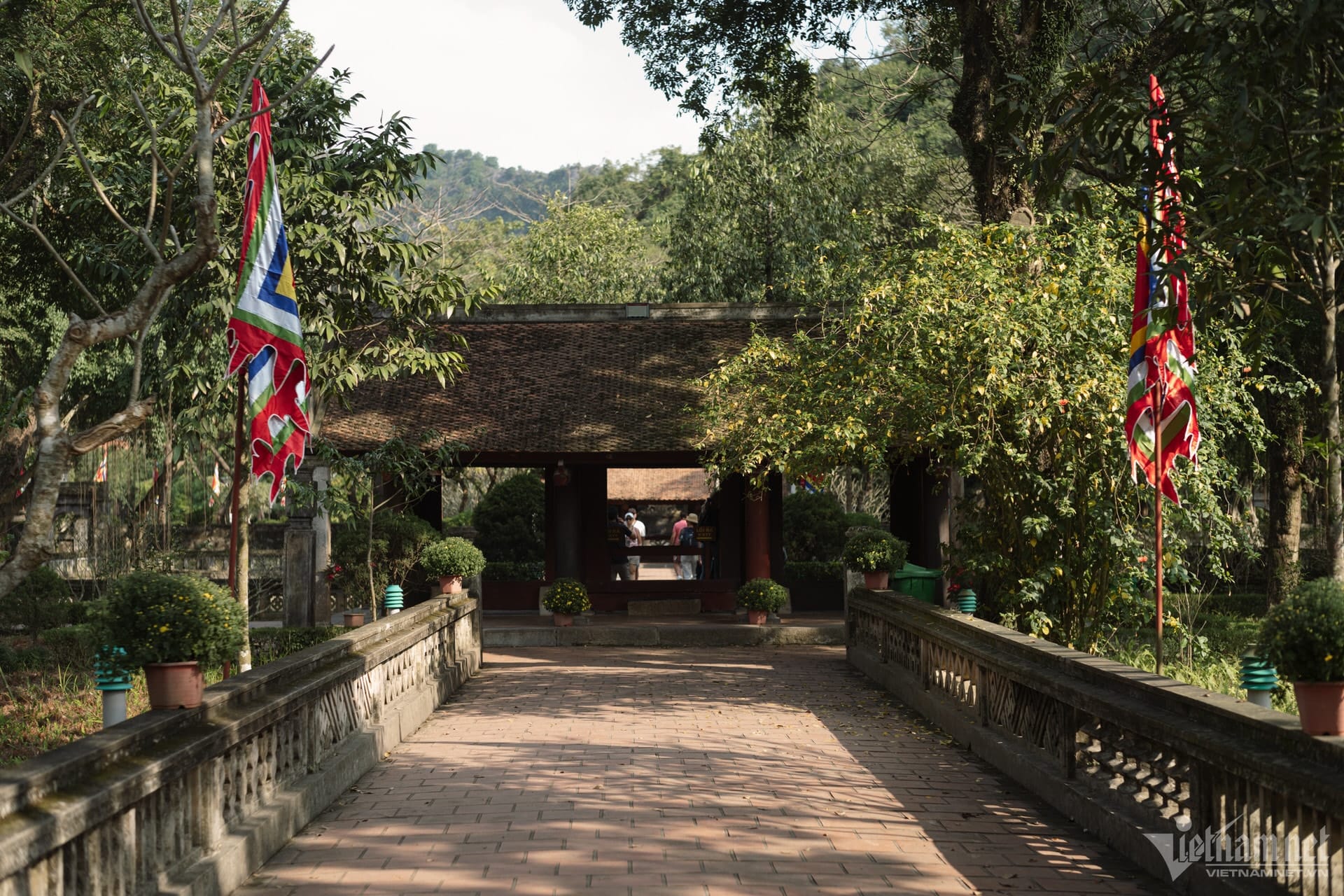
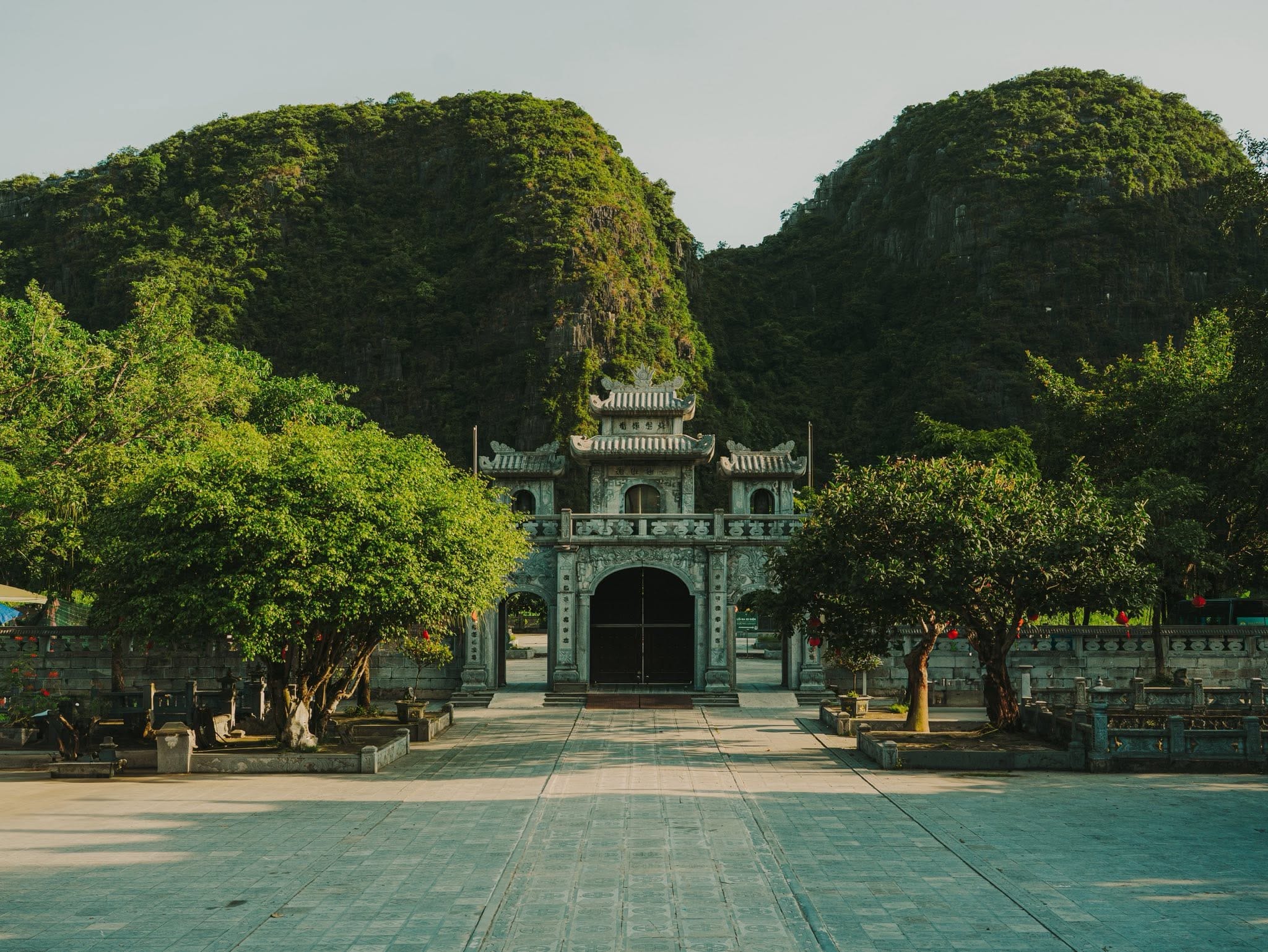
The majestic Nghi Mon Gate leading into the Temple of King Đinh Tiên Hoàng at Hoa Lư Ancient Capital.
Its traditional layout features the majestic Nghi Mon Gate, a tranquil lotus pond, shaded gardens, and both inner and outer three-entrance gates. Inside the main sanctuary (Hậu Cung), a solemn statue of the King is worshipped.
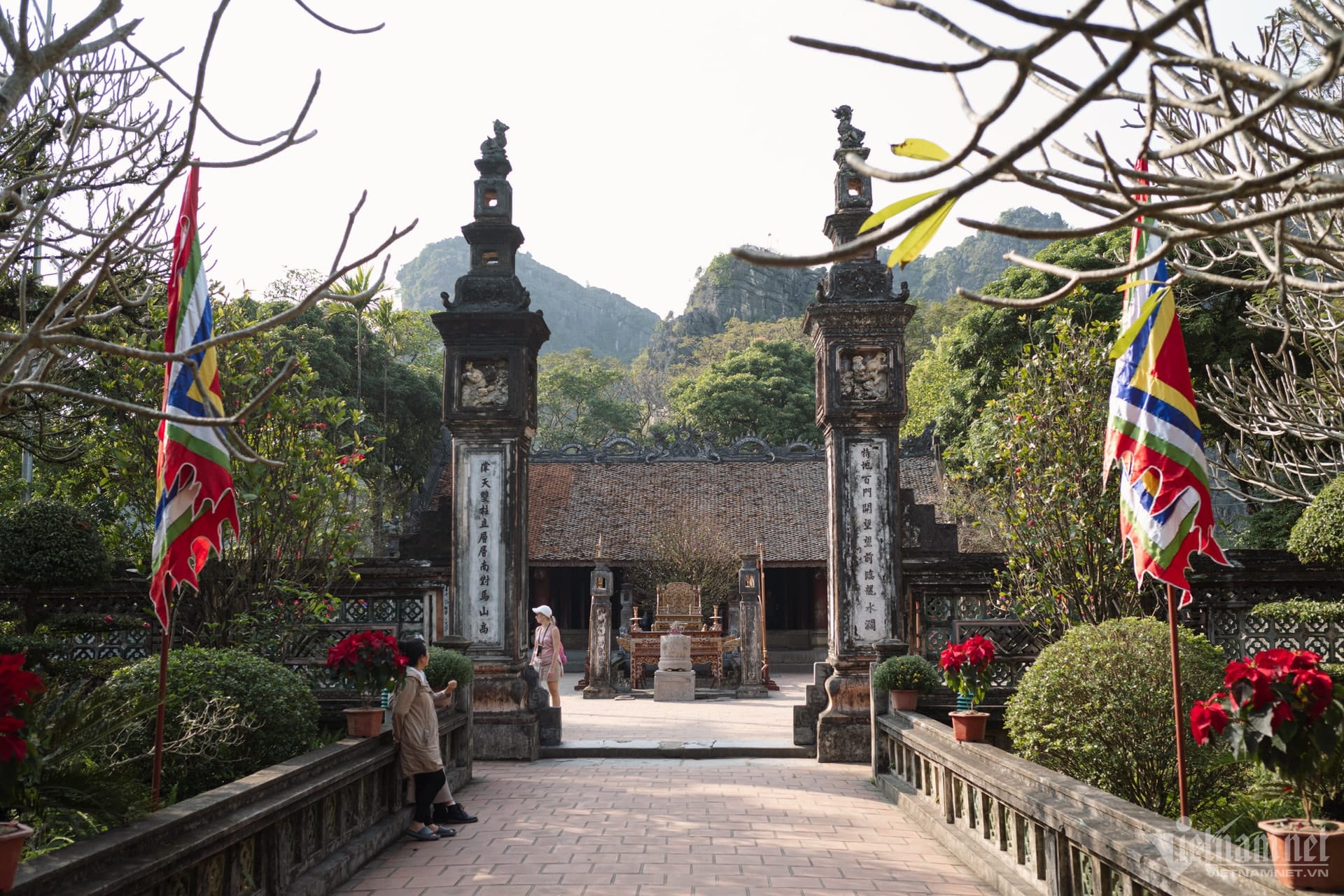
The solemn sanctuary where King Đinh Tiên Hoàng and his sons are worshipped.
Visitors should look for the intricately carved stone throne and the impressive elephant statues that flank the ceremonial courtyard—testaments to the artistry of the time.
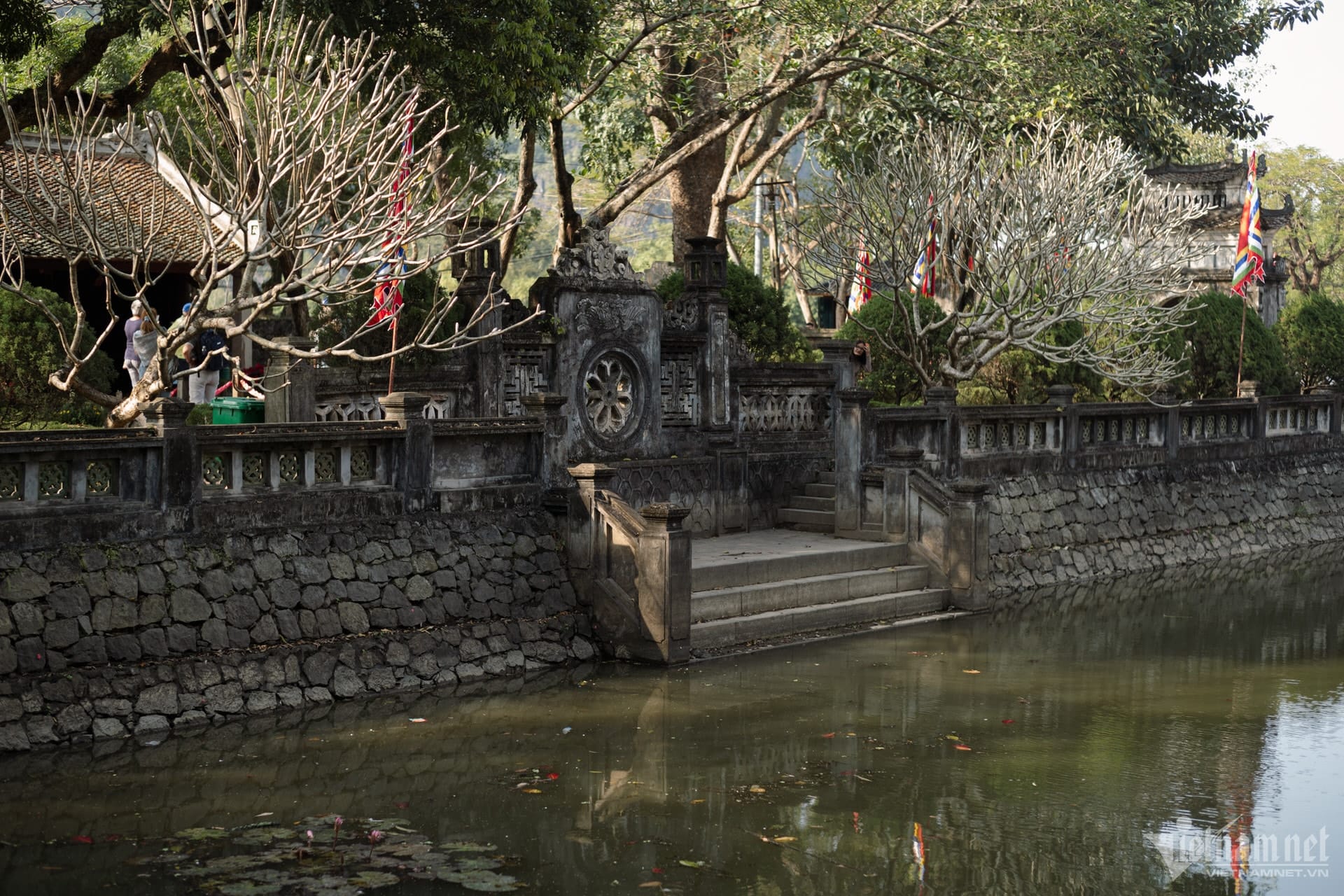
Elegant dragon and phoenix motifs reflecting the artistic standards of the traditional ideology
Just 500 meters from King Đinh’s temple lies the sacred site dedicated to King Lê Đại Hành, the founder of the Early Lê Dynasty. This temple honors not only the King himself but also Empress Dương Vân Nga and Prince Lê Long Đĩnh. The architecture stands out for its refined motifs of dragons, phoenixes, and delicate floral patterns, reflecting the high artistic standards of the Lê era.
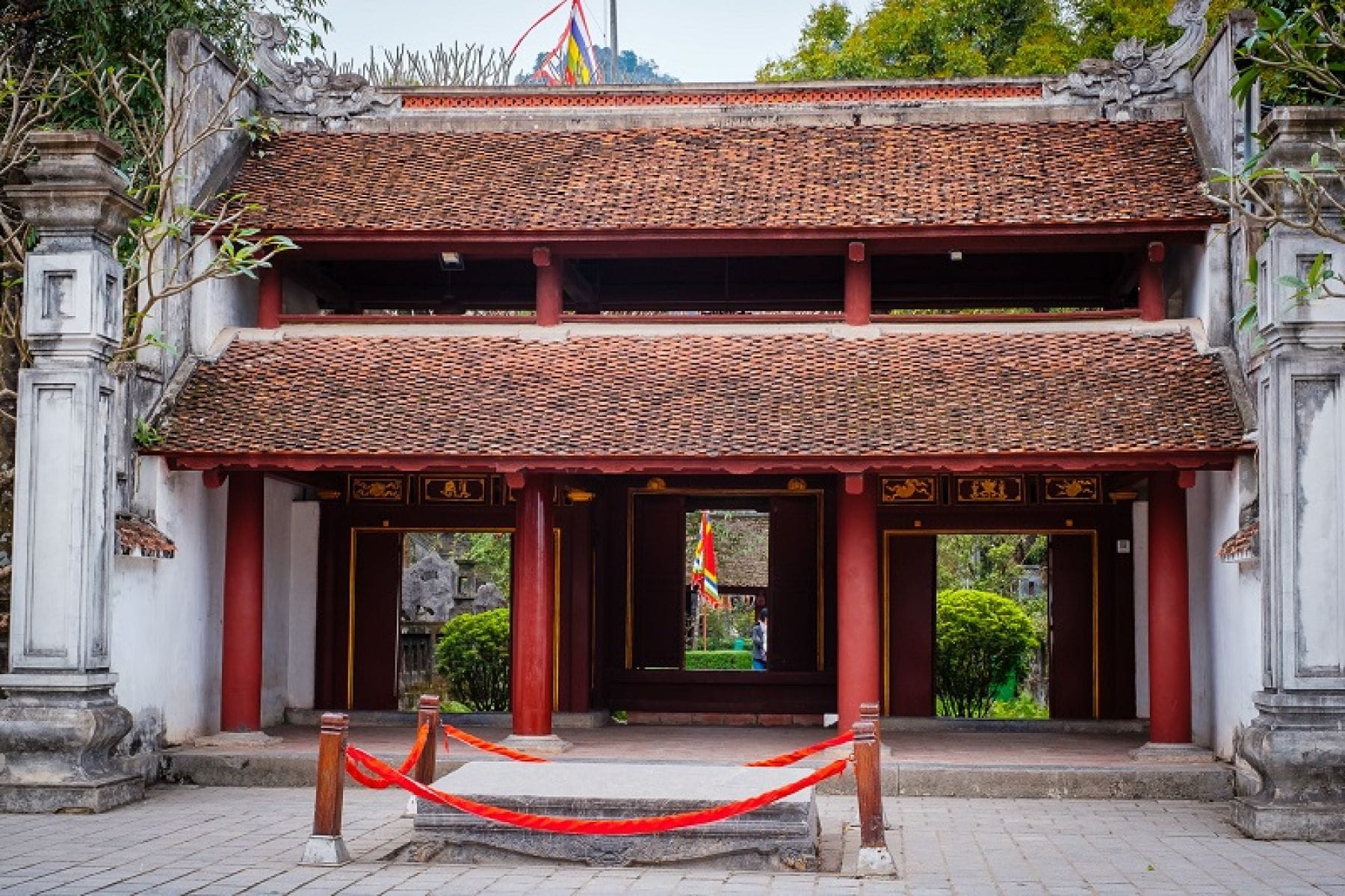
The serene and ancient architecture of the Temple of King Lê Đại Hành, located near the center of Hoa Lư Ancient Capital.
Walking through its quiet courtyards allows visitors to feel the profound weight of the centuries that shaped the nation’s destiny.
Located next to King Lê’s temple is a more intimate shrine, dedicated to Princess Phất Kim, the daughter of King Lê Đại Hành.
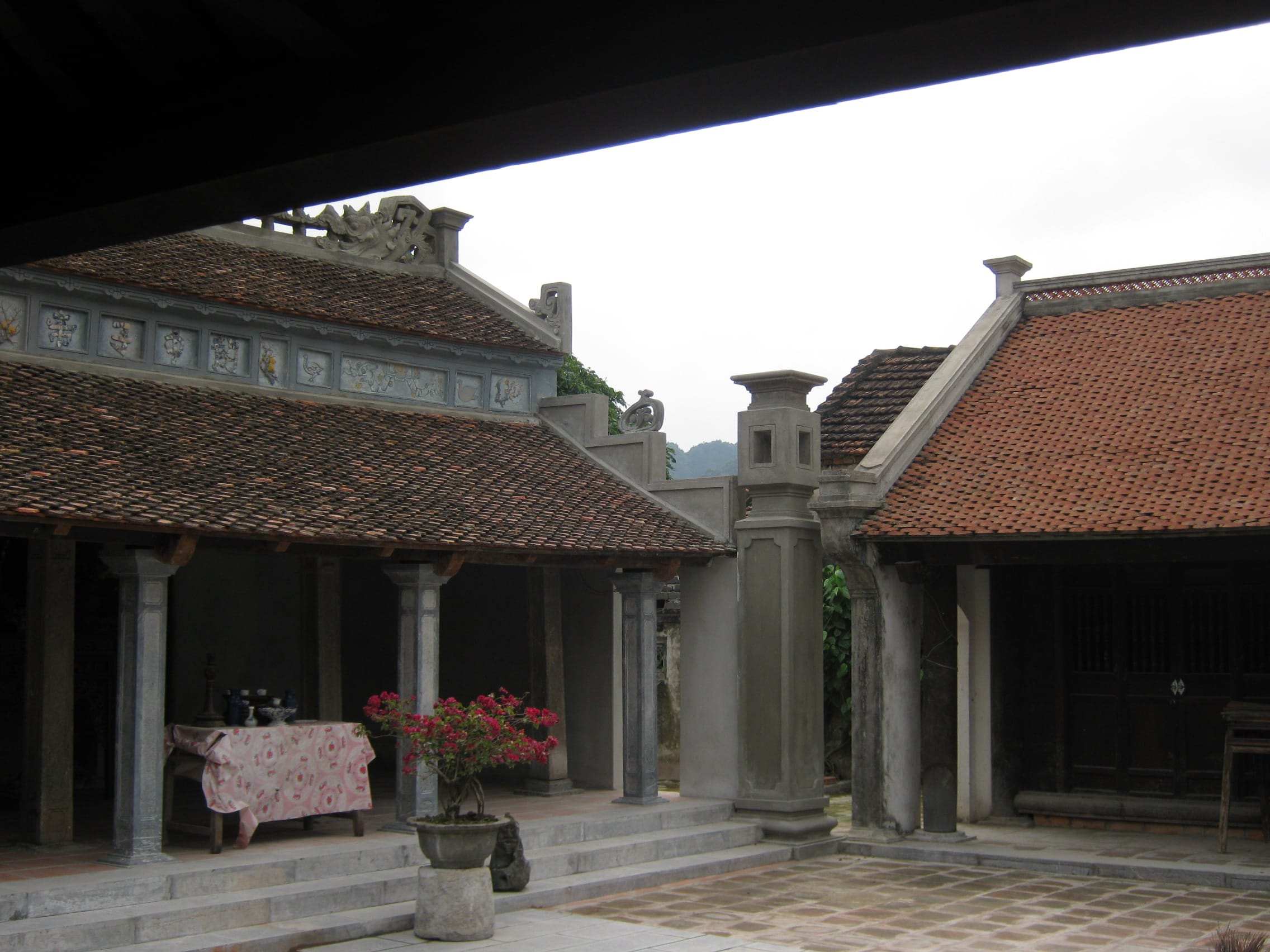
The serene and ancient architecture of the Temple of King Lê Đại Hành, located near the center of Hoa Lư Ancient Capital.
This poignant site, dating back to the 10th century, pays tribute to her loyalty and tragic fate. The central feature of the temple is the remarkable octagonal well (Giếng Ngọc), encased in ancient stone, which is believed to be the very place where the princess sacrificed herself to preserve her honor.
Dating back to the 10th century, Nhat Tru Pagoda is revered as one of Vietnam’s oldest Buddhist temples.
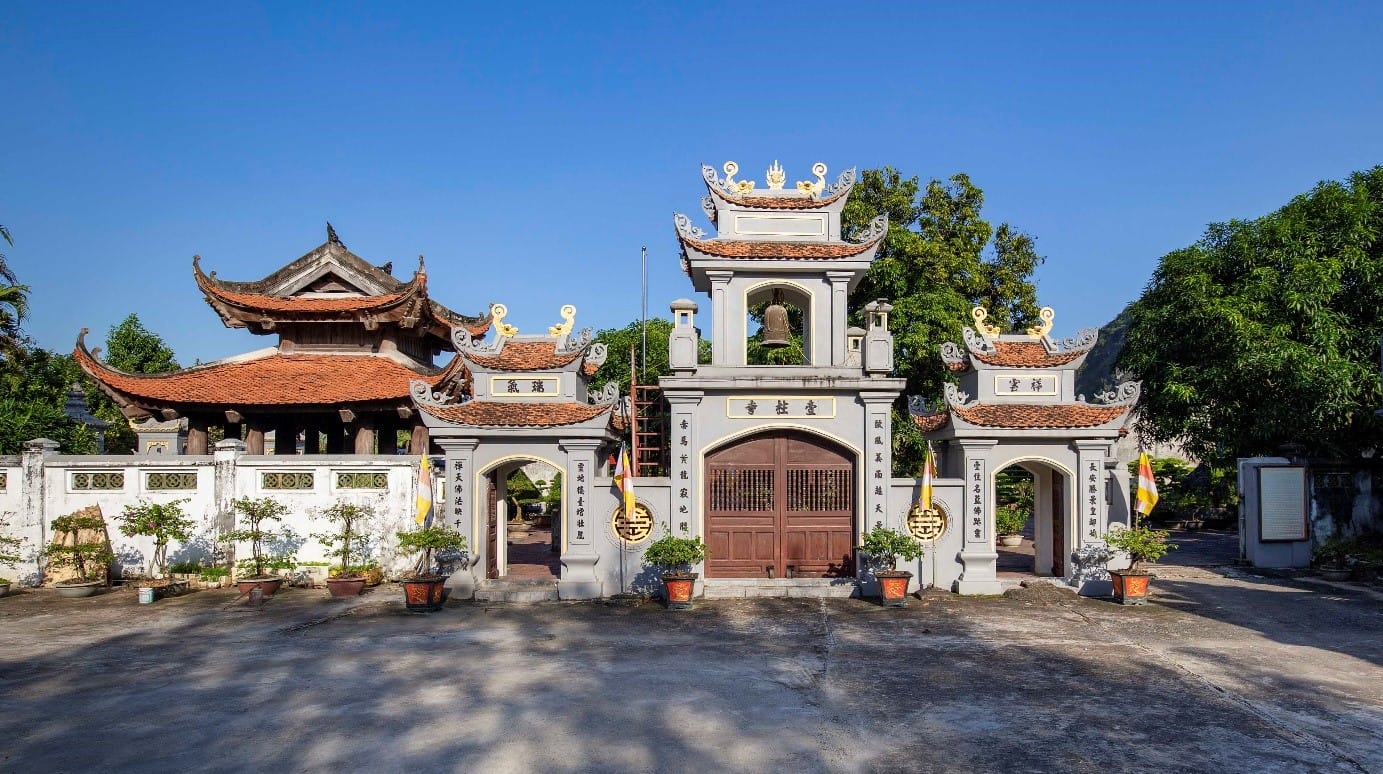
The entrance to Nhat Tru Pagoda, one of Vietnam’s oldest Buddhist temples
Its most distinctive feature is the single stone pillar, standing over 2 meters tall, which is intricately carved with sacred Buddhist sutras on its eight faces.
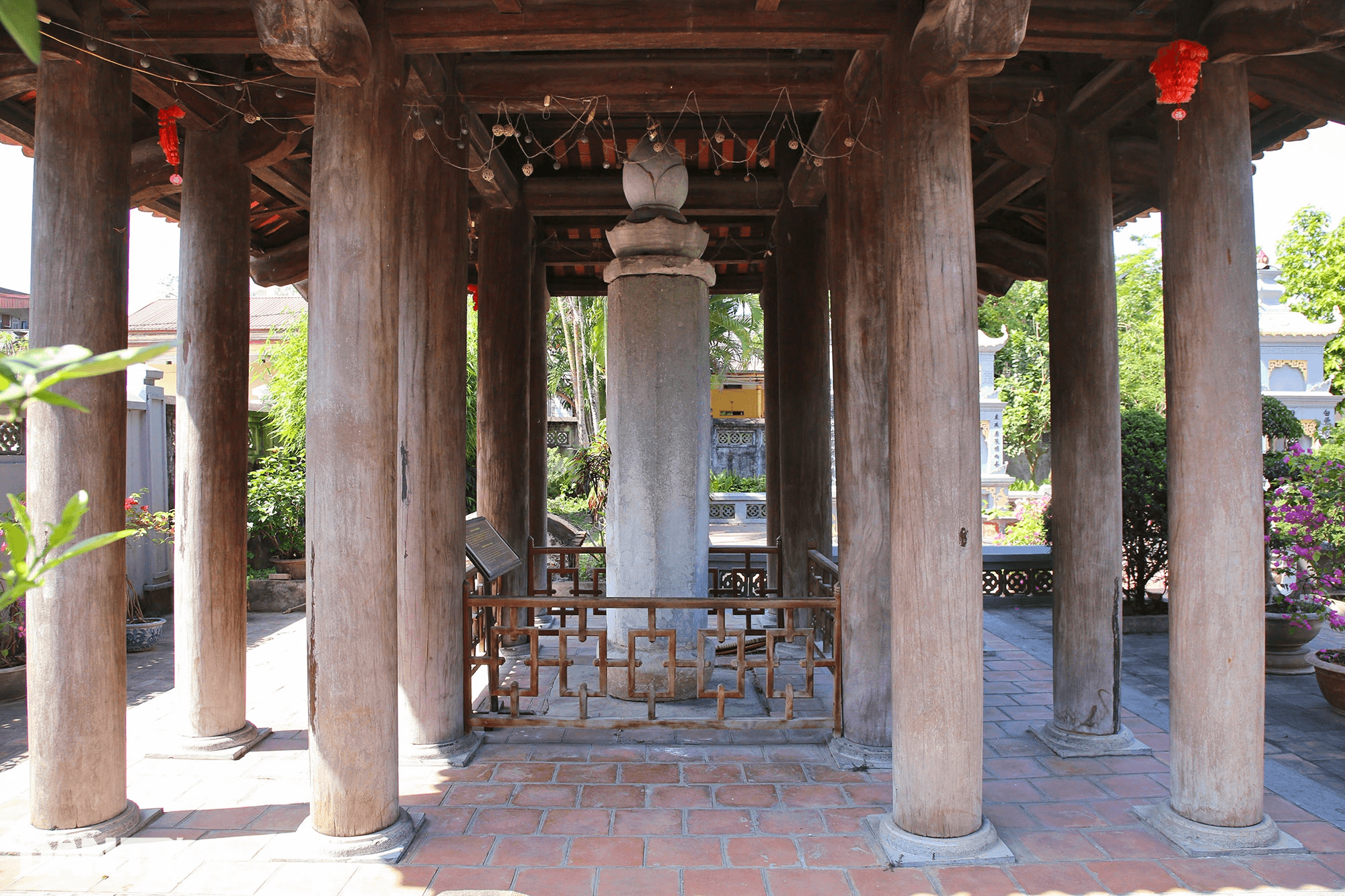
Ancient inscriptions on the stone pillar, reflecting the spiritual beliefs and prayers for peace during the early dynasties at Hoa Lư.
These ancient inscriptions reflect the deep spiritual beliefs of Vietnam’s early dynasties—specifically, prayers for peace, prosperity, and the enduring strength of the realm.
Tucked behind towering limestone cliffs, Am Tien Cave is often dubbed the “Hidden Valley” or the “Love Lock Valley” of ancient Hoa Lư, or even Vietnam’s own “Tuyệt Tình Cốc”.
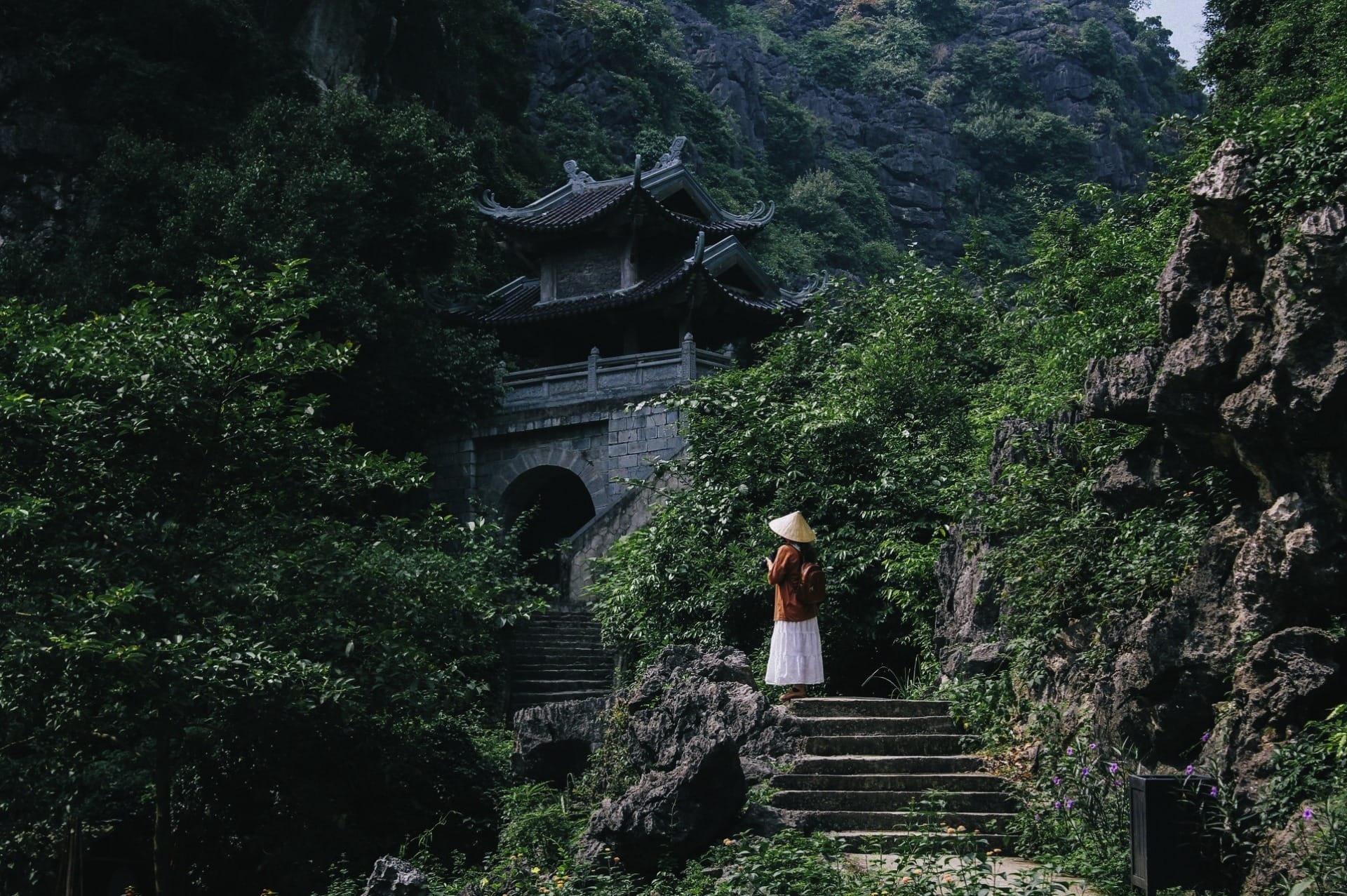
The iconic Am Tien Cave pagoda gate, often dubbed the Tuyệt Tình Cốc (Love Lock Valley) of Ninh Binh
This secluded valley, just 500 meters north of King Đinh’s temple, was once a royal sanctuary. A highlight here is the expansive, crystal-clear natural lake (about 5,000m²), resembling a giant mirror nestled in the mountains. Legend also holds that the cave once housed royal tigers used to punish traitors, marked by a large, flat rock still known today as the “Execution Stone”.
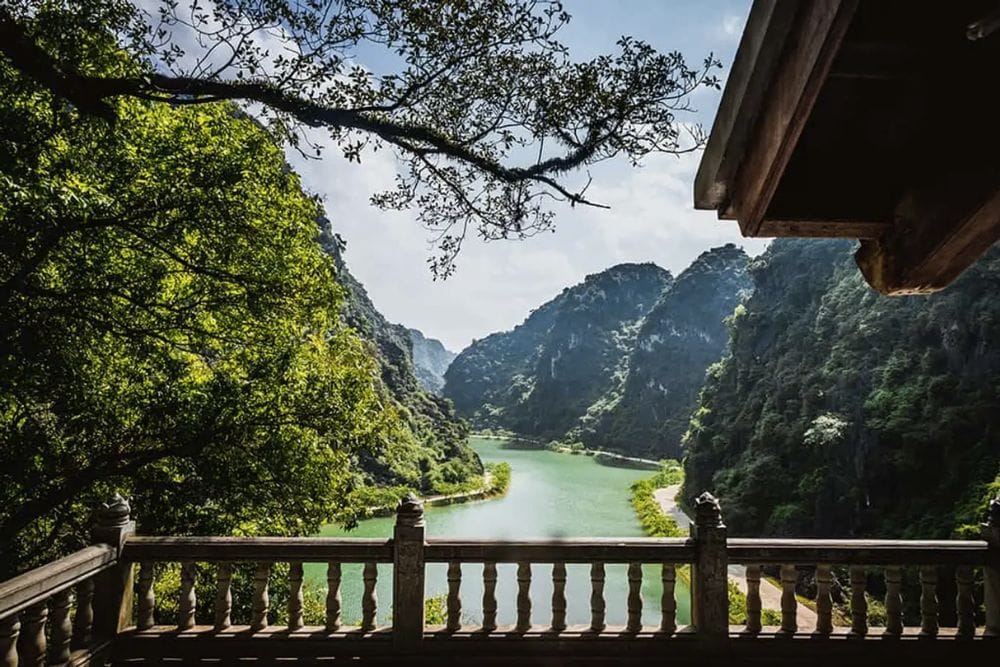
The breathtaking view of Am Tien Cave’s crystal-clear lake (5,000m²), nestled amidst towering karst cliffs.
While the main temples draw the most attention, the surrounding area of Hoa Lư Ancient Capital holds a treasure trove of lesser-known sites that offer a richer, more textured understanding of life in the early dynasties.
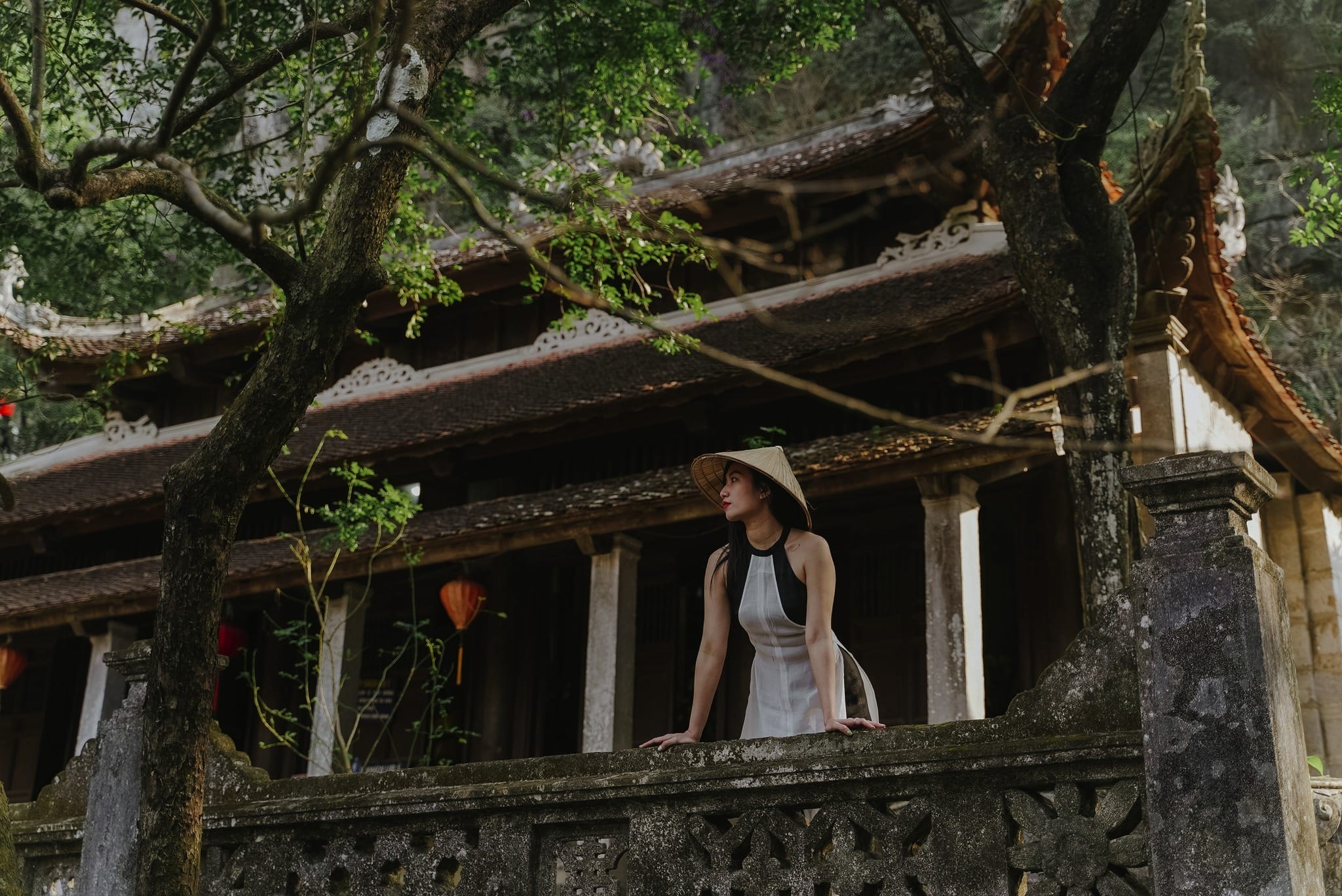
Exploring the complex of temples, palaces, and caves that form the historical and cultural core of the Hoa Lư Ancient Capital region.
These include the remnants of the ancient city walls, underground palace foundations, the Vuon Thien Palace, Kim Ngan Pagoda, Cau Den Stele, Cho Palace, Bim Cave, and Duyen Ninh Pagoda. These remnants, together with the natural landscape, form a harmonious heritage complex, inviting deeper historical immersion.
To ensure your visit is both seamless and enriching, here is the essential practical information you need to explore Hoa Lư Ancient Capital, allowing you to focus purely on the historical and scenic beauty of this Ninh Binh gem.
The historical site of Hoa Lư Ancient Capital is located in Truong Yen Commune, Hoa Lư District, Ninh Binh Province, approximately 18 kilometers from the Ninh Binh city center.
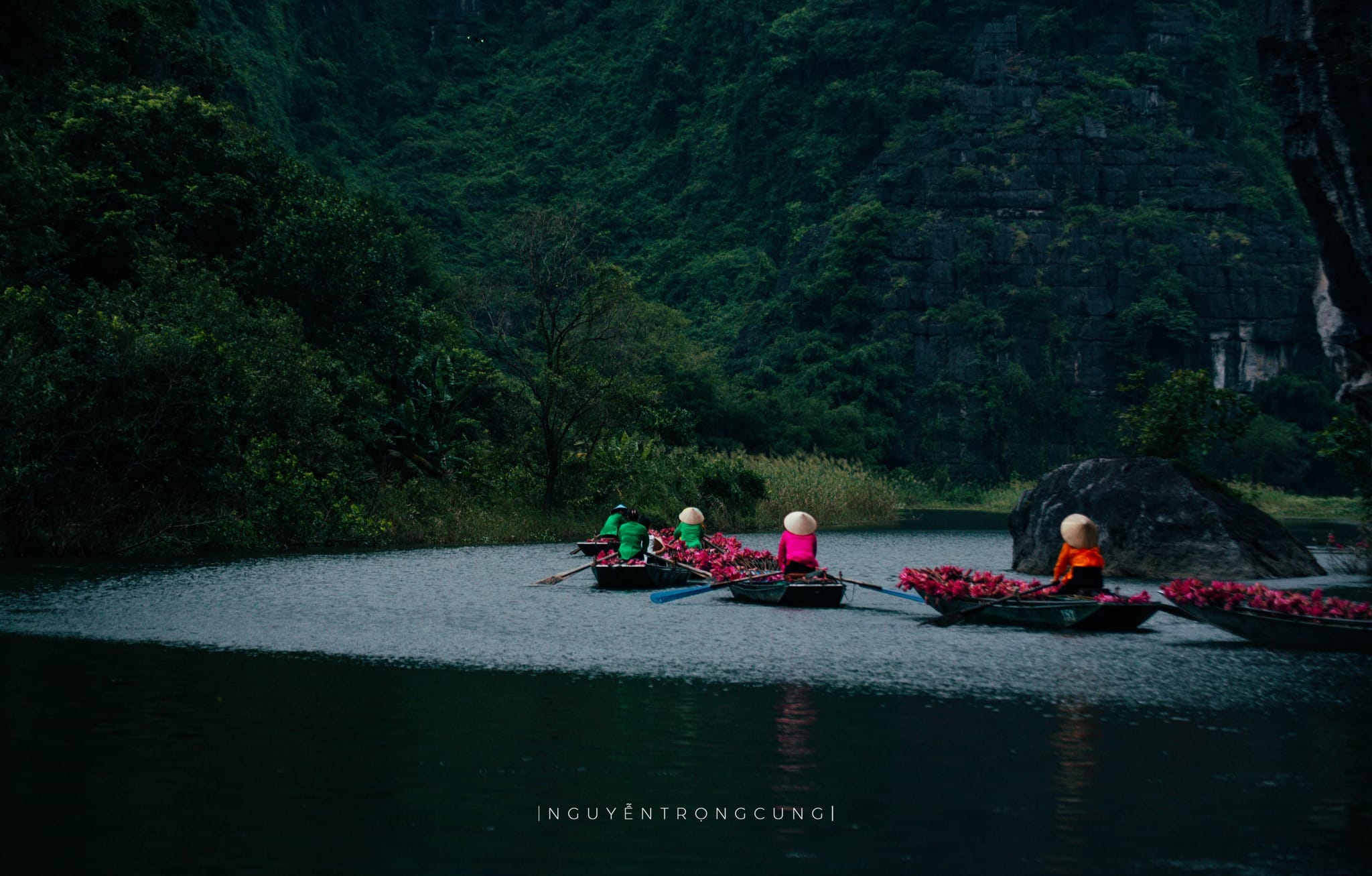
Remnants of the Sao Khe River and ancient city foundations, contributing to the rich history of Hoa Lư.
This former imperial complex is situated right at the heart of the magnificent Trang An Scenic Landscape Complex, a celebrated UNESCO World Heritage site known for its stunning karst topography and tranquil waterways.
For detailed directions on reaching the area, including options from Hanoi, be sure to check our guide on How To Plan The Best Ninh Binh Day Trip From Hanoi.
Planning your visit is straightforward, as the main historical area is open daily from 7:00 AM to 5:00 PM. The current entrance fee is set at 20,000 VND per ticket for adults and children over 1.2 meters, with free admission for younger children.
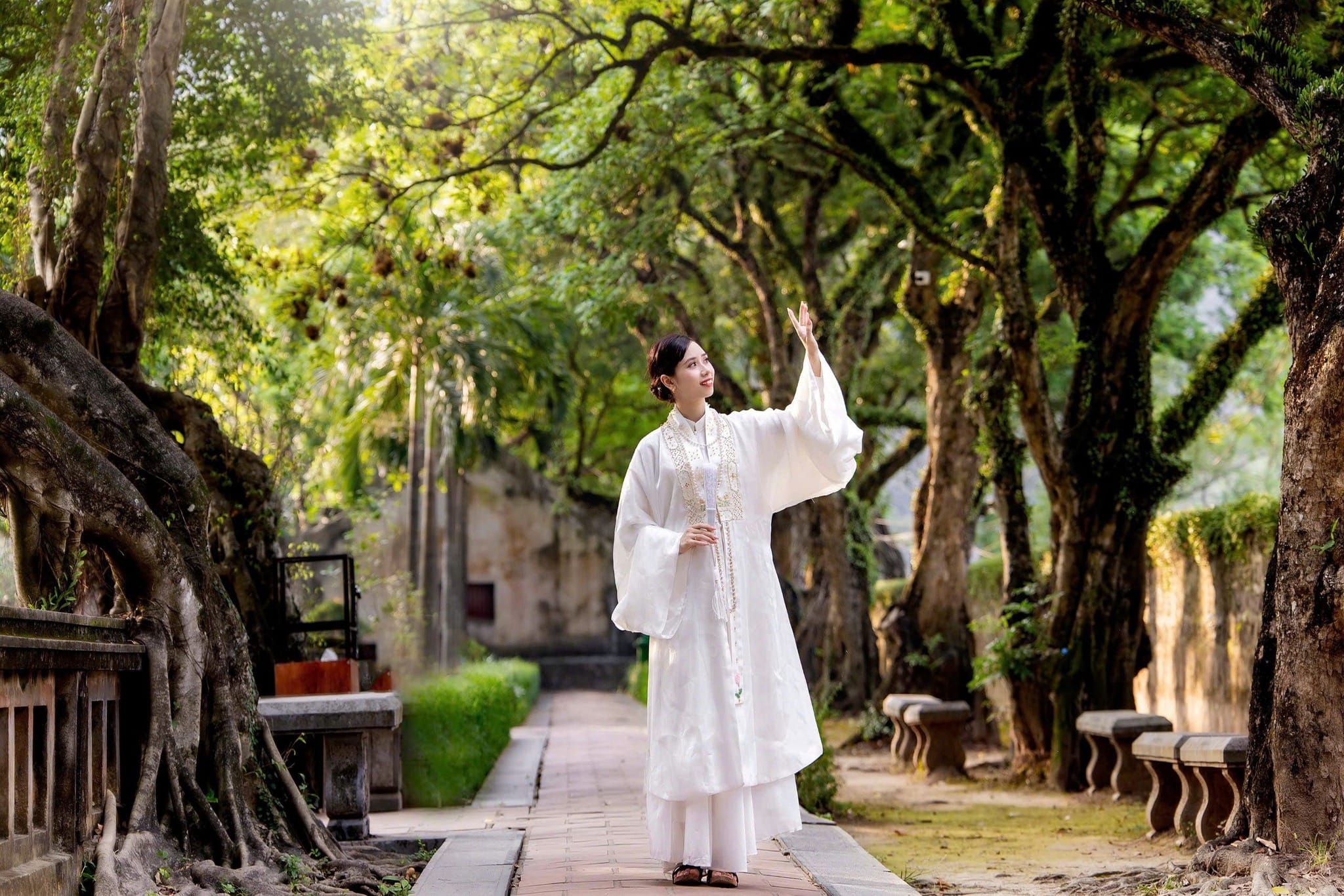
he historical site is open daily, welcoming visitors from 7:00 AM to 5:00 PM
These modest fees contribute directly to the preservation of this vital national heritage site. For the latest updates, it is always recommended to check the official site of the site management.
Choosing the right time to visit enhances the overall experience of Hoa Lư Ancient Capital. The most enchanting and popular period is from March to May (Lunar Calendar), when the weather is pleasantly cool and the site comes alive with festive spirit.
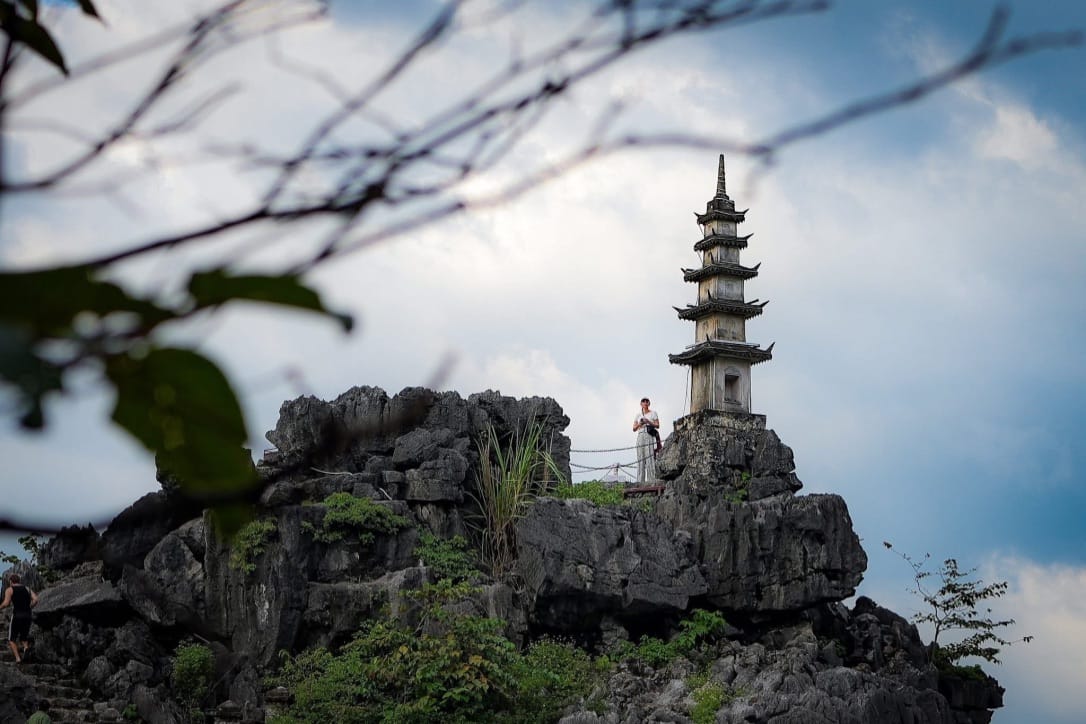
The golden glow of ripening rice fields from March to May (Solar Calendar), the most beautiful season for photos near Hoa Lư
Specifically, from the 8th to the 10th of the third lunar month, visitors can join the vibrant Truong Yen Festival (or “Cờ Lau” Festival), a cultural event celebrating the national heroes of the Đinh Dynasty and Early Lê Dynasty.
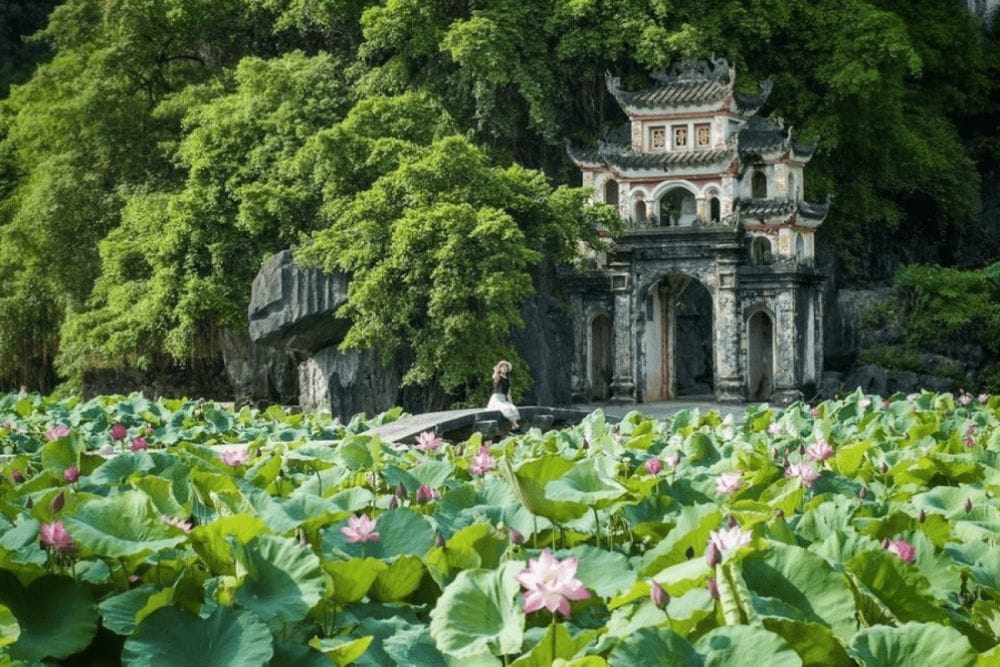
Enjoying the comfortably cool weather of the early lunar year, the best time to explore Hoa Lư Ancient Capital.
If you visit between March and May (Solar Calendar), you will be greeted by the iconic sight of golden, ripening rice fields stretching along the base of the limestone mountains—a classic Ninh Binh landscape that is perfect for photography.
To align your visit with ideal weather and cultural events, plan ahead with our guide on the Best Time to Visit to Vietnam: When to Go and Where to Visit.
As Hoa Lư Ancient Capital is a sacred cultural and spiritual site containing temples dedicated to Vietnam’s founding emperors, visitors are respectfully encouraged to dress modestly.
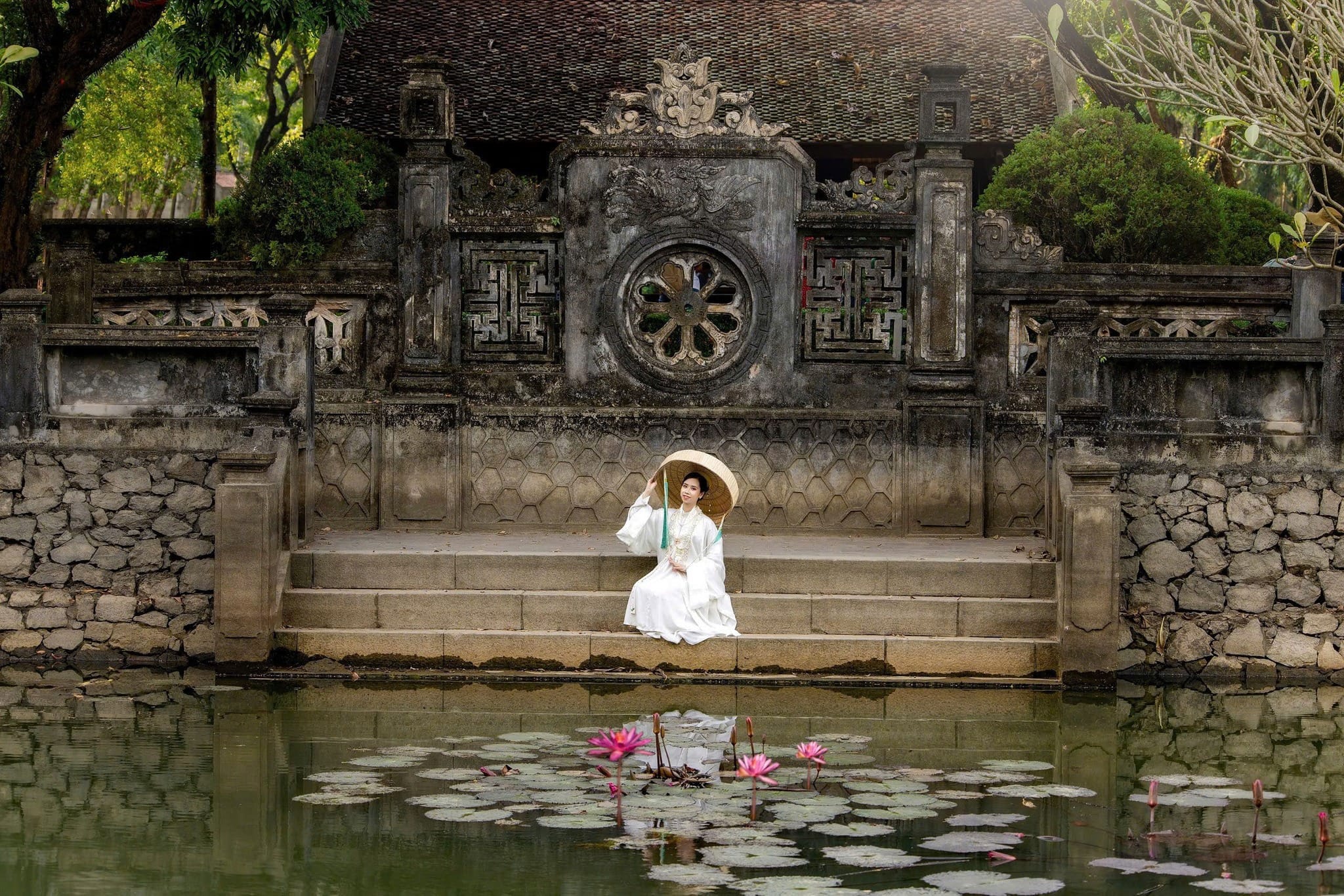
Visitors are encouraged to dress respectfully and modestly when entering the sacred temples of Hoa Lư Ancient Capital.
Long skirts, trousers, or garments that cover the knees and shoulders are recommended, especially when entering the temples of King Đinh Tiên Hoàng and King Lê Đại Hành.
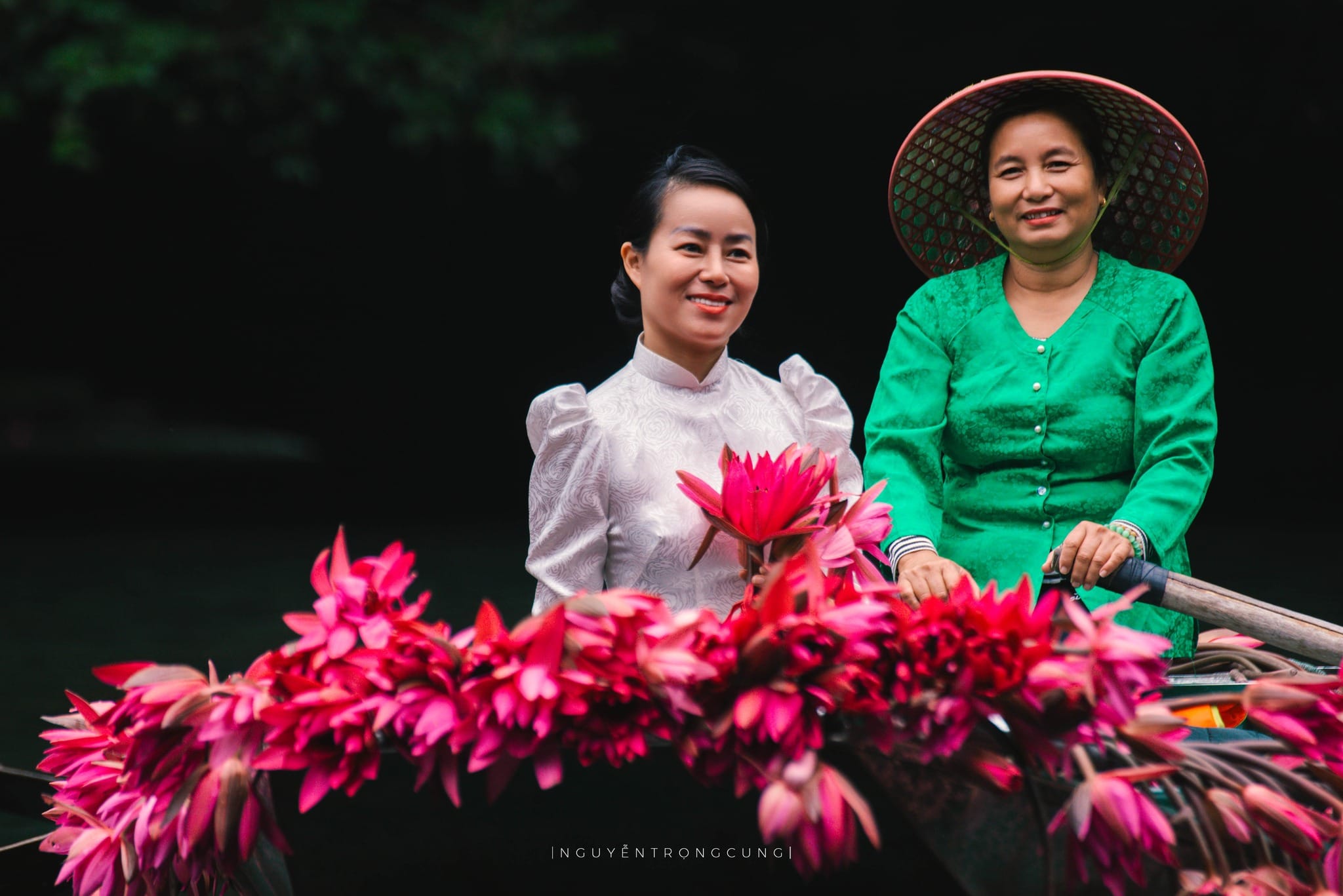
Light, breathable clothing and comfortable walking shoes are also advised for exploring the historical grounds.
It is also wise to wear light, breathable clothing and comfortable walking shoes, as exploring the entire complex—including Am Tien Cave and the various temples—involves a fair amount of walking.
Additionally, to maximize your time, grab a map at the ticket counter to ensure you don’t miss key spots like the ancient city gates and the famous Giếng Ngọc (Octagonal Well).
Book your stay at Jiva Hoa Lư Retreat to experience the soul of Ninh Binh now!
While the Hoa Lư Ancient Capital offers a profound and necessary glimpse into Vietnam’s imperial past, the surrounding region of Ninh Binh holds a treasure trove of cultural and natural wonders waiting to be explored.

The spectacular natural scenery of Trang An, illustrating the natural fortress that protected the Hoa Lư Ancient Capital.
To fully experience the beauty of this area, often called the “Ha Long Bay on land,” plan to combine your historical visit with these remarkable nearby destinations, all of which form part of the spectacular Trang An Landscape Complex.
Just minutes away from Hoa Lư Ancient Capital, the Trang An Landscape Complex, a spectacular UNESCO World Heritage site, invites visitors to immerse themselves in a world of geological majesty and spiritual tranquility.

A serene boat journey through the majestic limestone karsts and waterways of the Trang An Landscape Complex, located near Hoa Lư Ancient Capital
The primary activity here is the serene boat journey where traditional sampan boats, rowed by local guides, drift along emerald waterways that weave through towering limestone karsts. This cinematic journey takes you through a system of mystical caves like Dia Linh, Boi, and Nau Ruou , and past secluded temples, giving you a deep connection to the spiritual essence of the region.
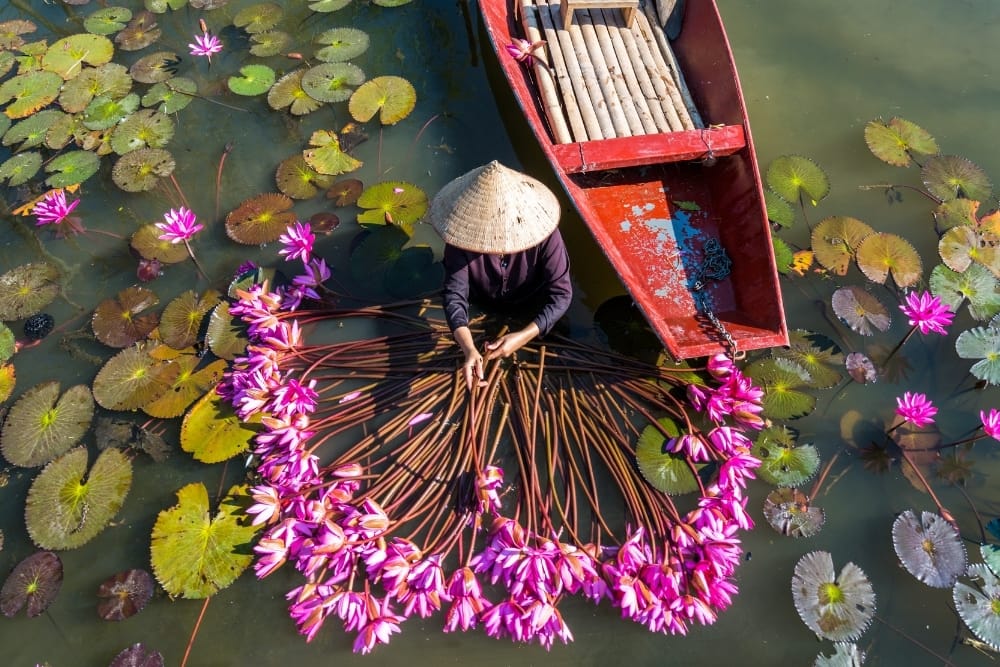
A tranquil sampan ride along the Ngo Dong River, winding past shimmering rice fields in Tam Coc.
As a core zone of the World Heritage site, Trang An is a perfect complement to your visit to the Hoa Lư Ancient Capital, allowing you to appreciate the natural fortress that protected the nation’s first capital. Don’t miss this truly unforgettable experience that highlights the majestic harmony between nature and culture in Ninh Binh.

The poetic beauty of Tam Coc, often called the “Ha Long Bay on land,” a must-see near Hoa Lư Ancient Capital
Often referred to as the “Ha Long Bay on land,” Tam Coc – Bich Dong enchants visitors with its poetic beauty and rich natural landscape. Similar to the experience at Trang An, the highlight here is a tranquil sampan ride along the Ngo Dong River.
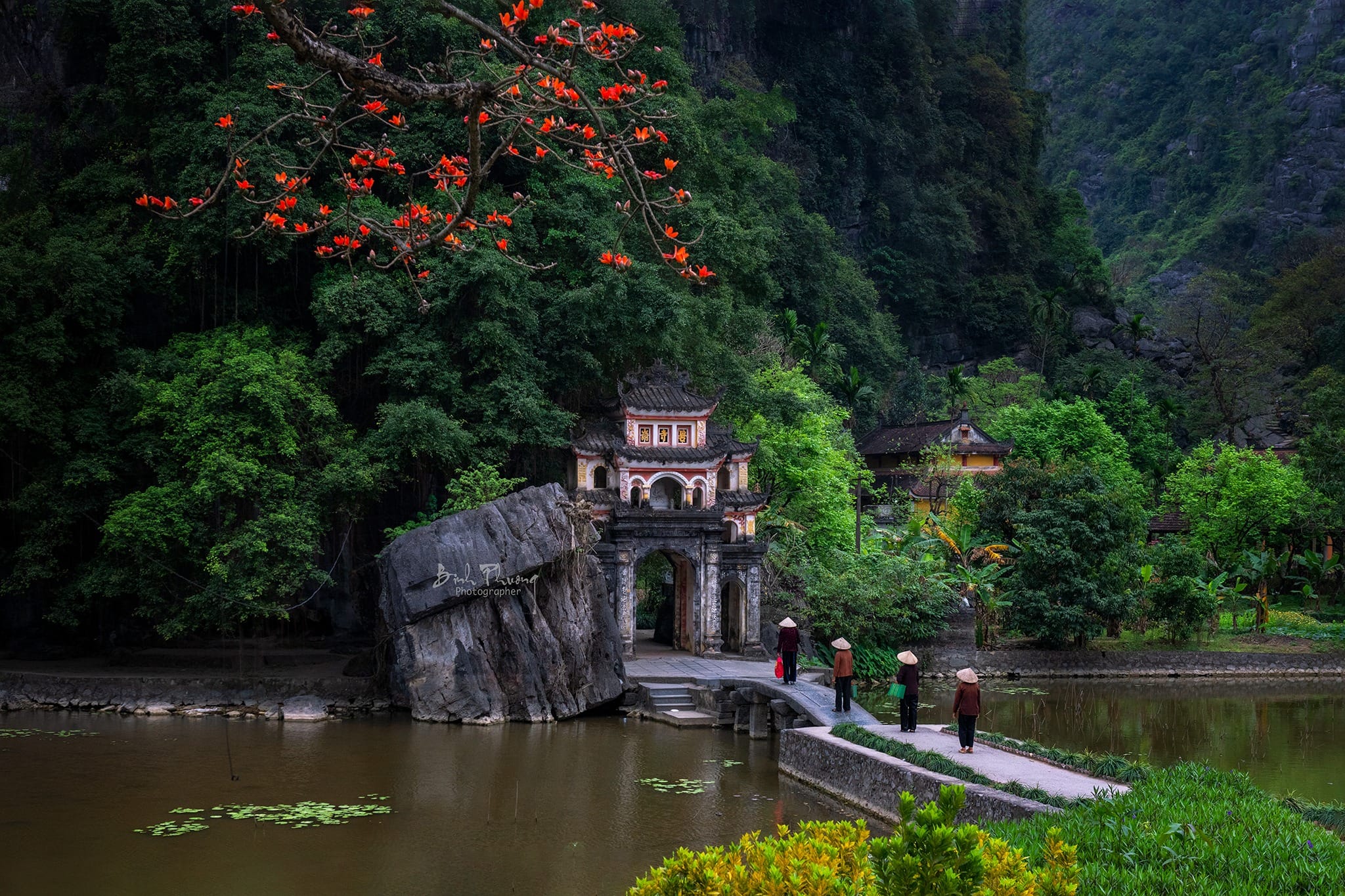
The rewarding panoramic vista of the Tam Coc valley from the Bich Dong Pagoda
This journey is particularly captivating from March to May (Solar Calendar), when the river passes through shimmering, golden rice fields and under three mysterious limestone caves. A short distance from the river landing, the nearby Bich Dong Pagoda , a quiet temple complex built into a mountainside, adds a peaceful spiritual pause to your journey.
Tam Coc, along with Hoa Lư Ancient Capital, beautifully illustrates the historical and scenic wonders that define the Ninh Binh region, making it an essential stop for nature lovers and history buffs alike. It is also an excellent spot to capture iconic photographs of the Vietnamese countryside.
For those seeking the absolute best panoramic views of Ninh Binh’s stunning scenery, a visit to Mua Cave (Hang Múa) is mandatory. This destination requires some effort, involving a climb of approximately 500 stone steps to reach the summit of the mountain viewpoint.
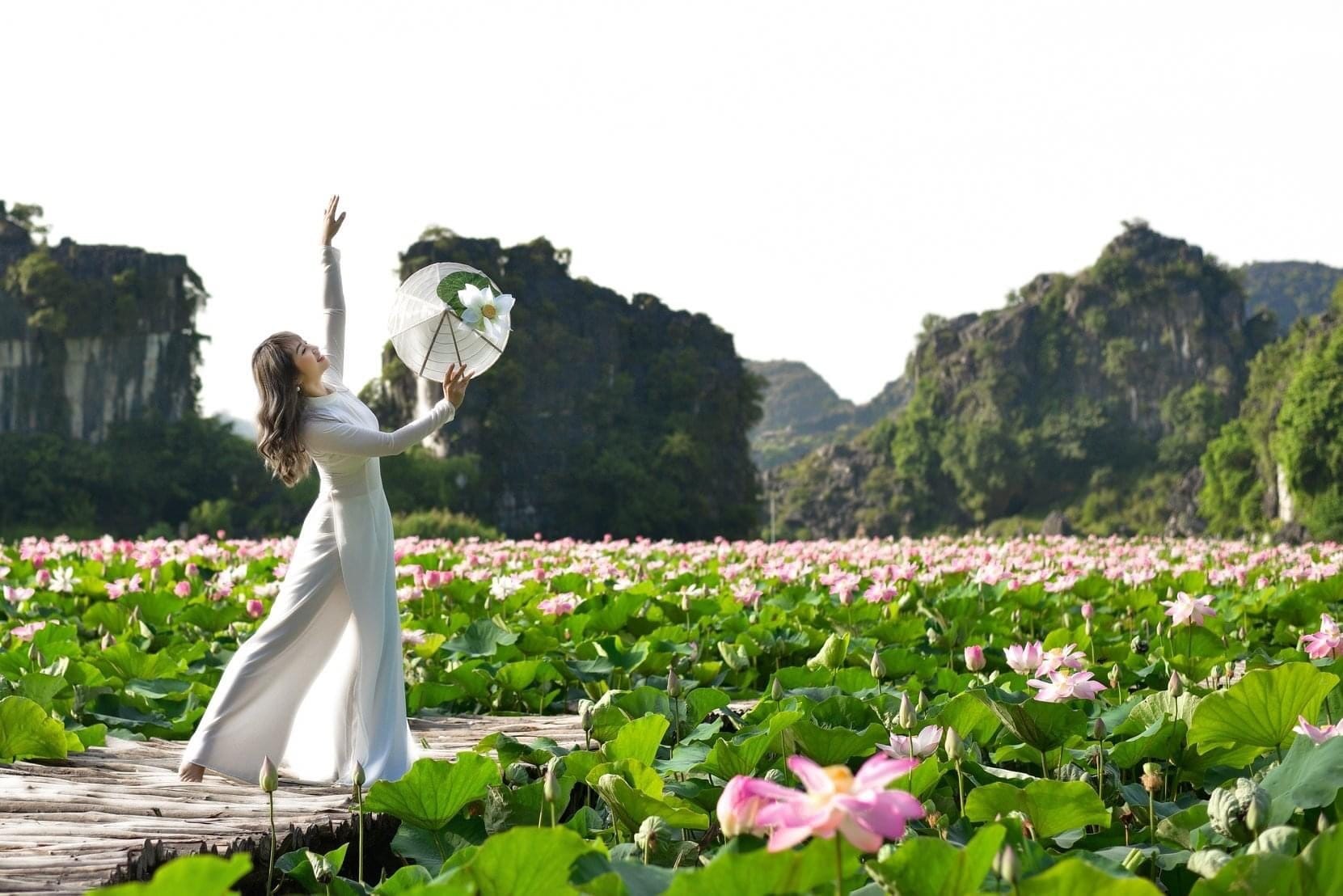
A sweeping tapestry where river, mountain, and rice fields converge, viewed from Mua Cave
However, the reward is immediate and breathtaking: a sweeping vista of the entire Tam Coc valley below , where the Ngo Dong River, limestone karsts, and rice fields converge into a spectacular natural tapestry. The peak offers a rare perspective of the geographical layout that once strategically protected the Hoa Lư Ancient Capital.
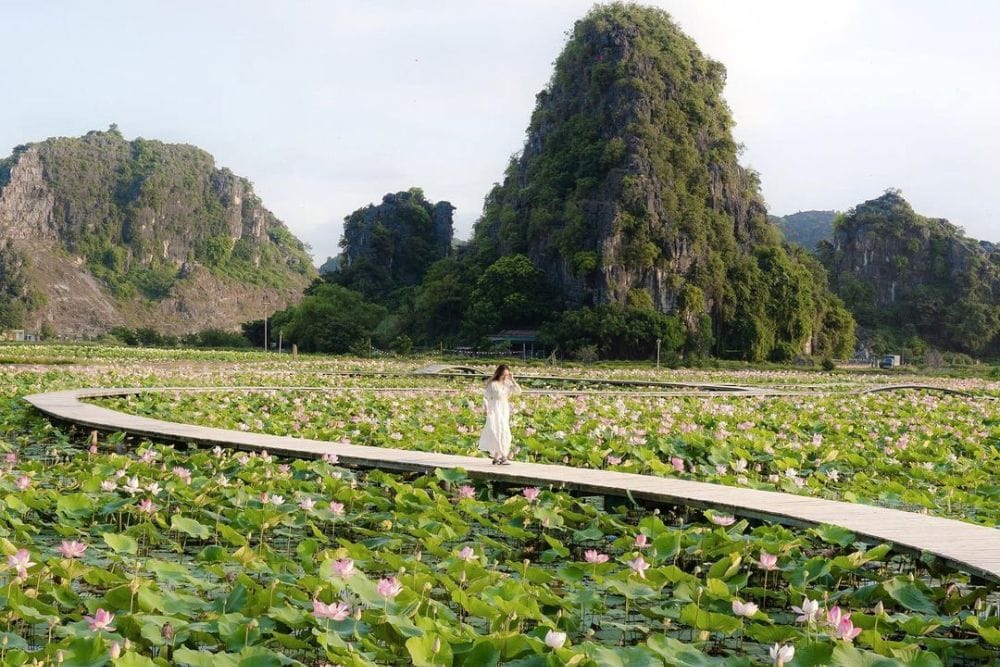
The challenging yet beautiful 500 stone steps leading to the top of Mua Cave, offering views near Hoa Lư
The climb is an invigorating experience, and the view serves as a dramatic backdrop for photos, contrasting the vast natural beauty of Ninh Binh with the historical depth of the nearby Hoa Lư Ancient Capital and Trang An Landscape Complex.
Located slightly further away in Gia Vien District, Bai Dinh Pagoda is one of Vietnam’s largest and most revered Buddhist complexes in the North.

Bai Dinh Pagoda, one of Vietnam’s largest and most revered Buddhist complexes
The site is monumental in scale, harmonizing traditional architecture with modern grandeur. Set against a majestic backdrop of karst hills and lush forest , the pagoda is an ideal place for reflection, prayer, or simply admiring the sheer magnitude of the spiritual architecture.
For travelers interested in spiritual tourism, combining a trip to the historically significant temples of Hoa Lư Ancient Capital (like the 10th-century Nhat Tru Pagoda ) with a visit to the sprawling, sacred grounds of Bai Dinh Pagoda offers a comprehensive exploration of Vietnamese religious life, past and present.
As an essential stop, Hoa Lư represents the deep cultural value found throughout the country and is listed among the Top 14 best places to visit in vietnam.
A visit to the Hoa Lư Ancient Capital is incomplete without fully immersing yourself in the local culture, which includes participating in vibrant traditional events and indulging in the distinctive cuisine of Ninh Binh. These unique experiences tie the historical visit to the lively spirit of the region today.
To truly connect with the legacy of Hoa Lư Ancient Capital, plan your visit around the local festival season. The most important event is the Truong Yen Festival, also known as the “Cờ Lau” (Flag of Reeds) Festival , which takes place annually from the 8th to the 10th of the third lunar month.
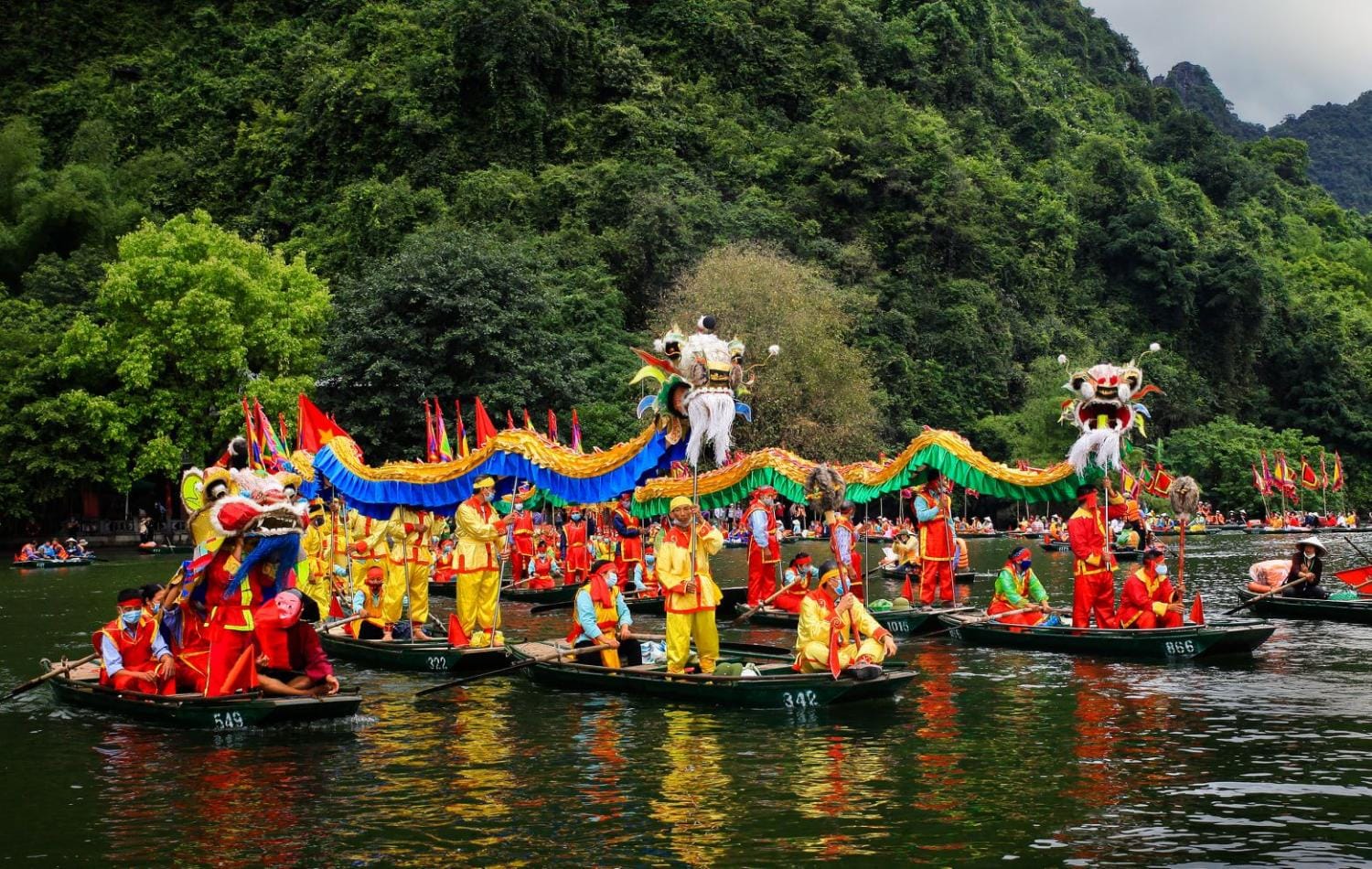
Scenes from the vibrant Truong Yen Festival (Cờ Lau Festival), held annually in the third lunar month at Hoa Lư Ancient Capital.
This vibrant cultural event is held to commemorate the immense contributions of the founding emperors, Đinh Tiên Hoàng and Lê Đại Hành. The festival includes solemn rituals such as the Water Procession (Lễ rước nước) and the Washing of the Statues , alongside exciting folk activities like the re-enactment of the Cờ Lau battle, traditional wrestling, dragon dances, and opera performances (chèo cổ).

Traditional folk games and cultural activities, such as the re-enactment of the Cờ Lau battle, at the annual festival.
For those seeking memorable photo opportunities, consider renting traditional Vietnamese attire like the áo dài or the imperial-style Nhật Bình to wear while exploring the ancient courtyards.
The cuisine surrounding Hoa Lư Ancient Capital reflects the mountainous and riverine landscape, offering flavors distinct from other regions of Vietnam. Be sure to try these highly recommended local specialties:
Mountain Goat Meat (Dê núi): Considered the premier specialty of Ninh Binh, this meat is famous for being firmer, leaner, and more fragrant due to the goats grazing on the region’s limestone mountains. It is prepared in numerous enticing ways, including grilled, rare with lemon (dê tái chanh), and steamed.
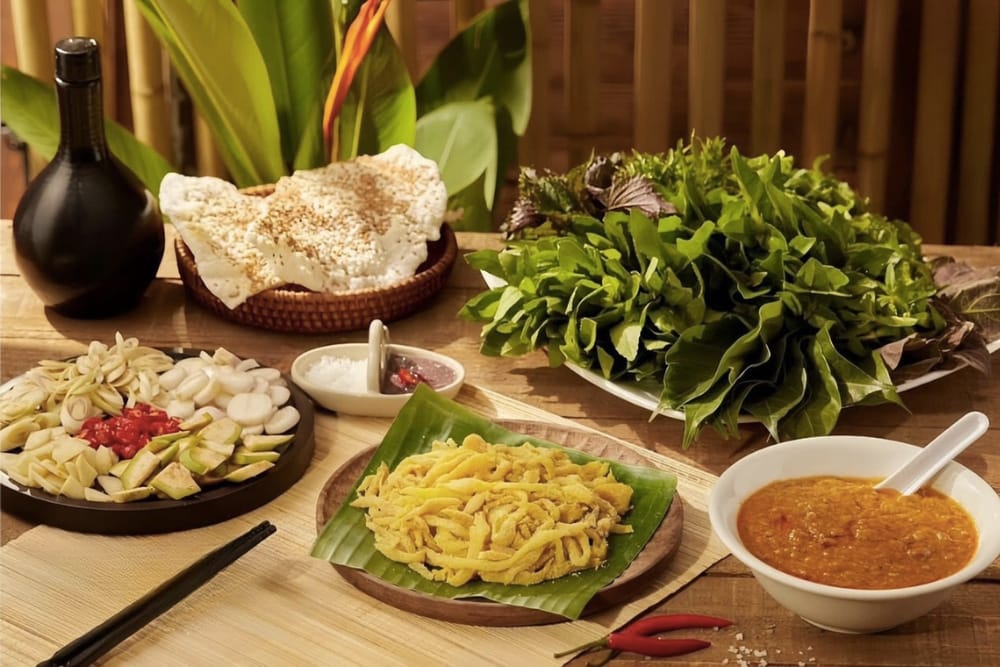
A collage of must-try Ninh Binh specialties, including mountain goat, ốc núi, and cơm cháy
Burnt Rice (Cơm cháy): This crispy, deep-fried rice cracker is another quintessential dish of the ancient capital region. Local people often enjoy the crunchy rice with a rich sauce made from the mountain goat meat, combining the two signature textures and flavors of the province.
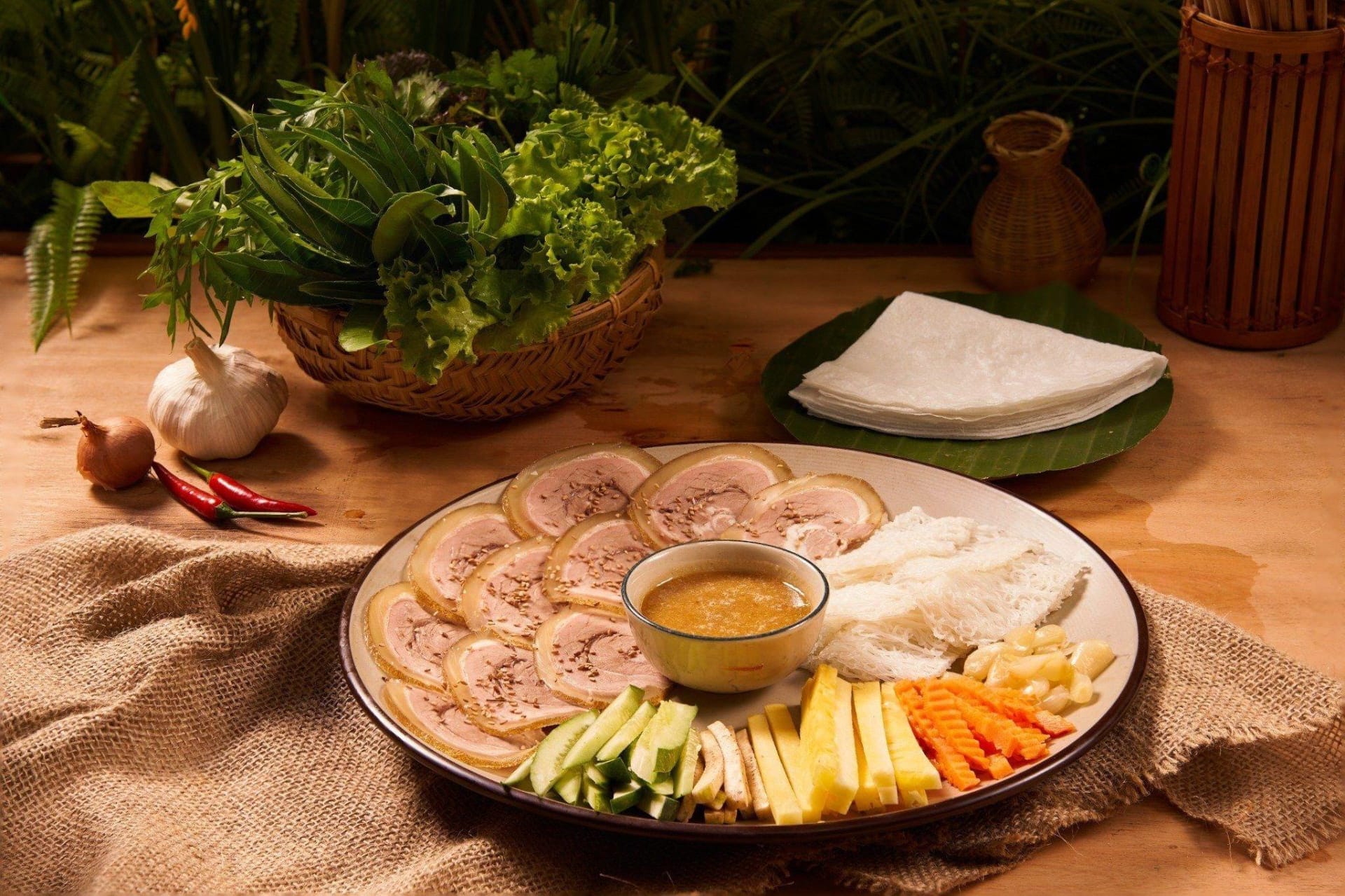
Yen Mac Fermented Pork Roll (Nem chua Yên Mạc): A flavorful, fermented pork snack wrapped in banana leaves.
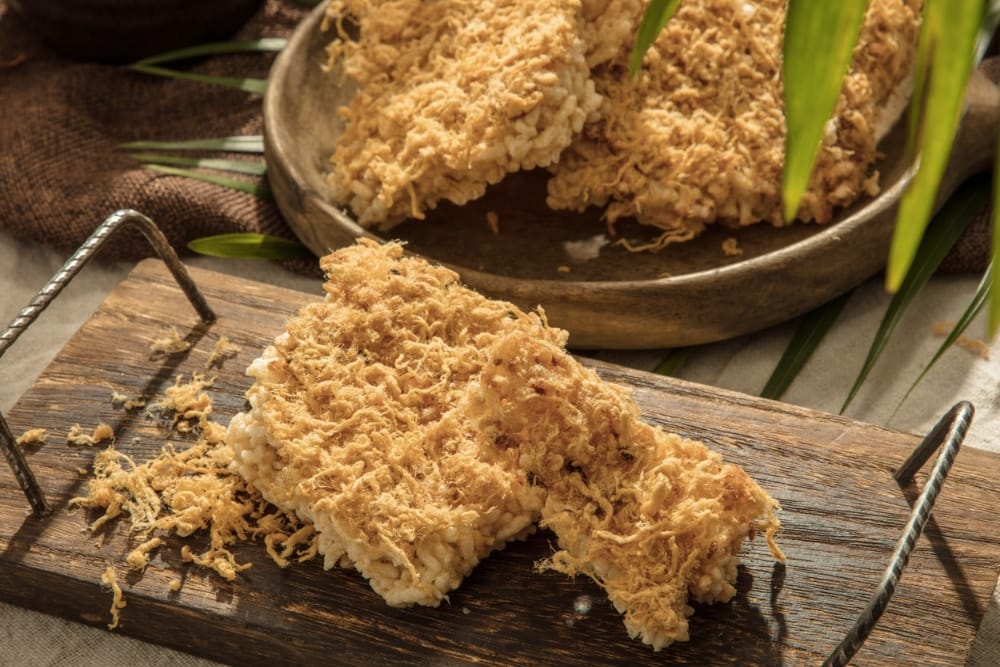
Crispy Burnt Rice (Cơm cháy), the famous local staple often enjoyed with a rich goat sauce near Hoa Lư Ancient Capital.
Mountain Snails (Ốc núi): These snails are found only on the limestone mountains during the rainy season and are known for their sweet, chewy texture.
.The cuisine surrounding Hoa Lư Ancient Capital reflects the mountainous and riverine landscape. To fully plan your dining itinerary, consult our comprehensive Ninh Binh Cuisine Guide: Must-Try Specialties & Best Food Gifts.
For those who cherish both nature and history, Hoa Lư Ancient Capital is an unmissable destination in Ninh Binh. To make your experience truly complete, consider letting Jiva Hoa Lư Retreat be your sanctuary.
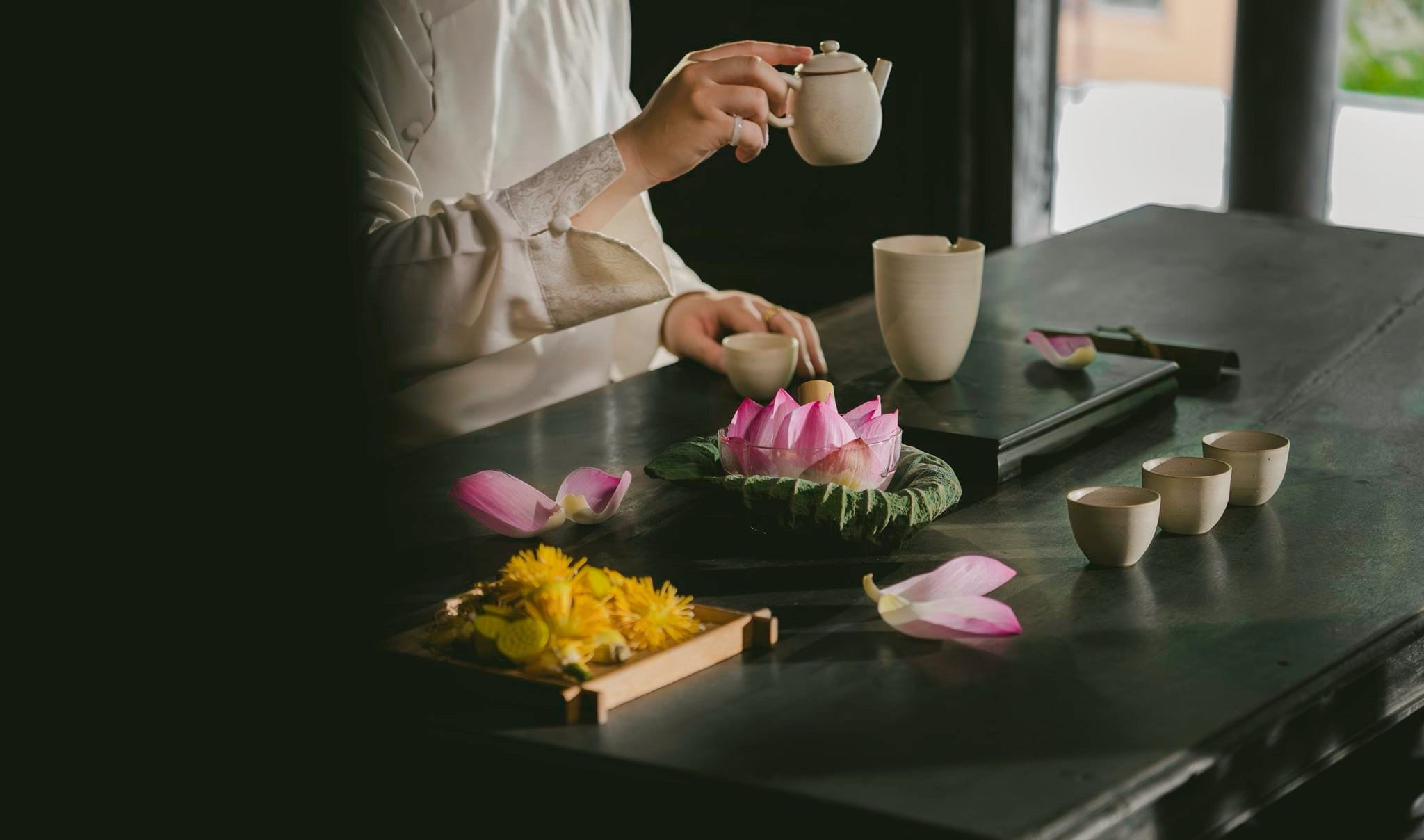
ndulging in a meditative tea ritual at the serene garden setting of the Hoa Lư retreat
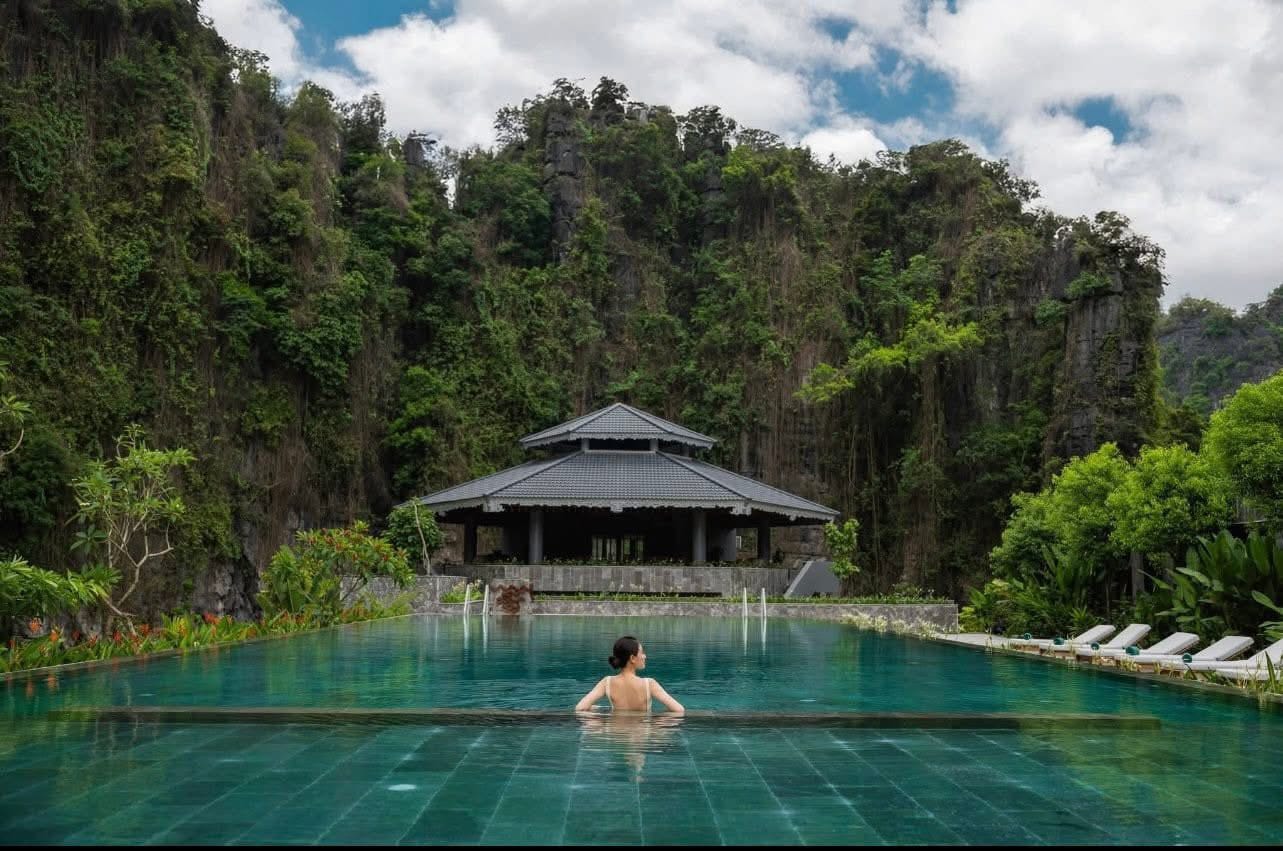
This is an exclusive and high-end resort nestled in the very heart of the heritage zone, offering more than just a place to stay. The retreat invites you to disconnect from the outside world and reconnect with yourself through stillness, presence, and deep renewal, immersed directly in the stunning landscape.
The tranquil environment of Jiva Hoa Lư Retreat, nestled in the heart of the heritage zone for deep renewal
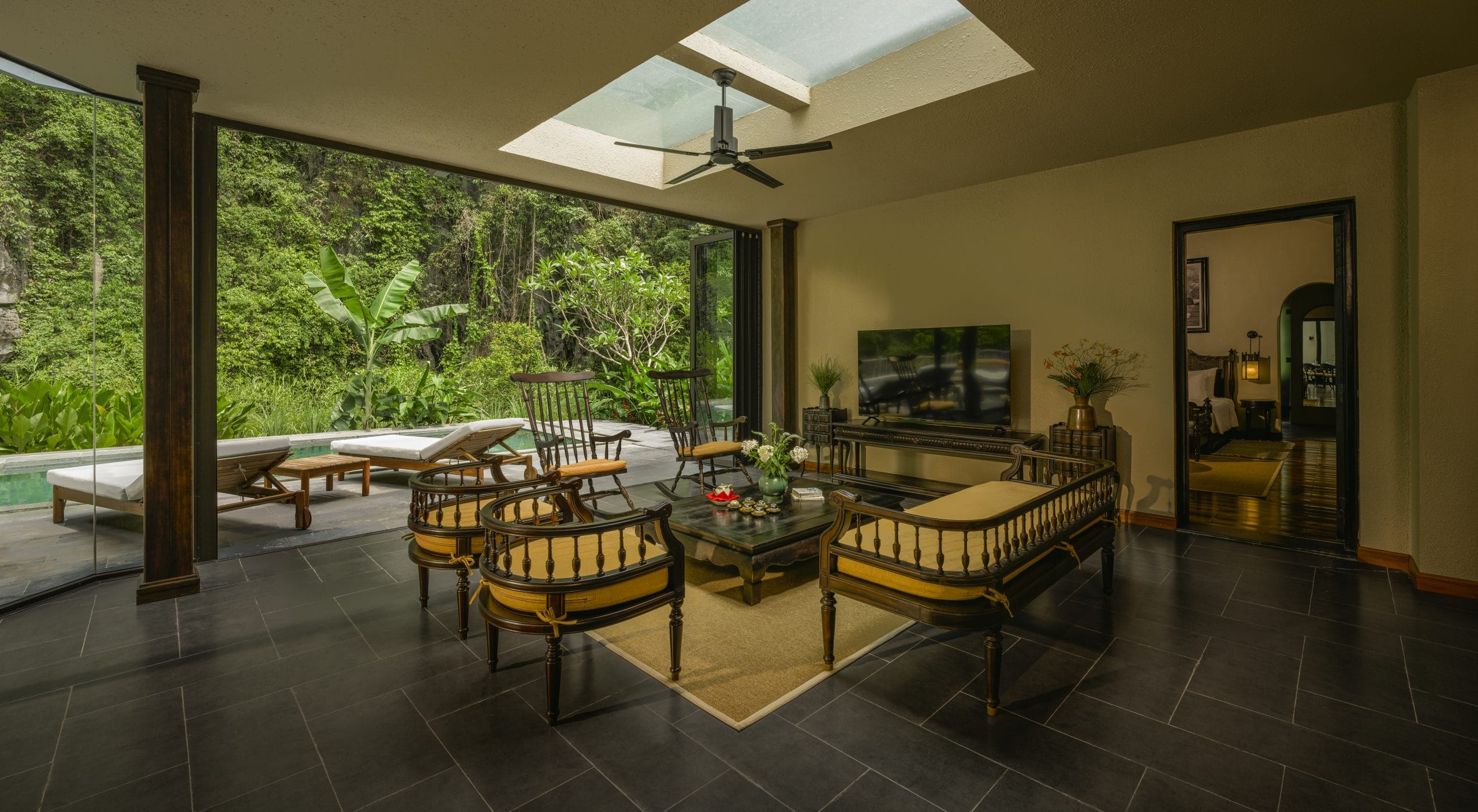
With a wide range of accommodations, from deluxe rooms to private pool villas, Jiva Hoa Lư Retreat offers a rare chance to immerse oneself in the rustic charm of Northern Vietnam.
Luxurious accommodations, from deluxe rooms to private pool villas, offering a high-end stay near Hoa Lư Ancient Capital
Guests can enjoy authentic cultural experiences such as moonlit fishing with traditional nets, live Xẩm folk music performances, or meditative tea rituals in a serene garden setting. Staying here ensures that your soulful journey through the timeless landscapes of Ninh Binh is both luxurious and deeply connected to the local culture and history.
Immerse yourself in a stay where northern Vietnamese architecture meets world-class comfort. At Jiva Hoalu Retreat, each accommodation blends locally inspired décor with modern luxuries, offering a unique fusion of culture, tradition, and elegance. Whether you’re here for a romantic getaway, a family escape, or a tranquil retreat, Jiva promises unforgettable moments in the heart of Ninh Binh.
Contact Us:
📞 +84 933 006 886
📧 inquiry@jivahoaluretreat.com
🌐 https://demo.jivahoaluretreat.com/
Book now! to enjoy super hot deals
Thank you for your reservation.
You will receive a confirmation from us momentarily
Thank you for reaching out. Your request has been received. Our team will respond within 24 hours.