EN
- VN
- FR
- ZH
Discover the magic of Mua Caves in Ninh Binh, Vietnam, where 500 stone steps lead to breathtaking views of Tam Coc valley. Perfect for adventure seekers, photographers, and nature lovers, this iconic viewpoint offers a mix of challenging climbs, serene landscapes, and unforgettable panoramas that define northern Vietnam’s natural beauty.
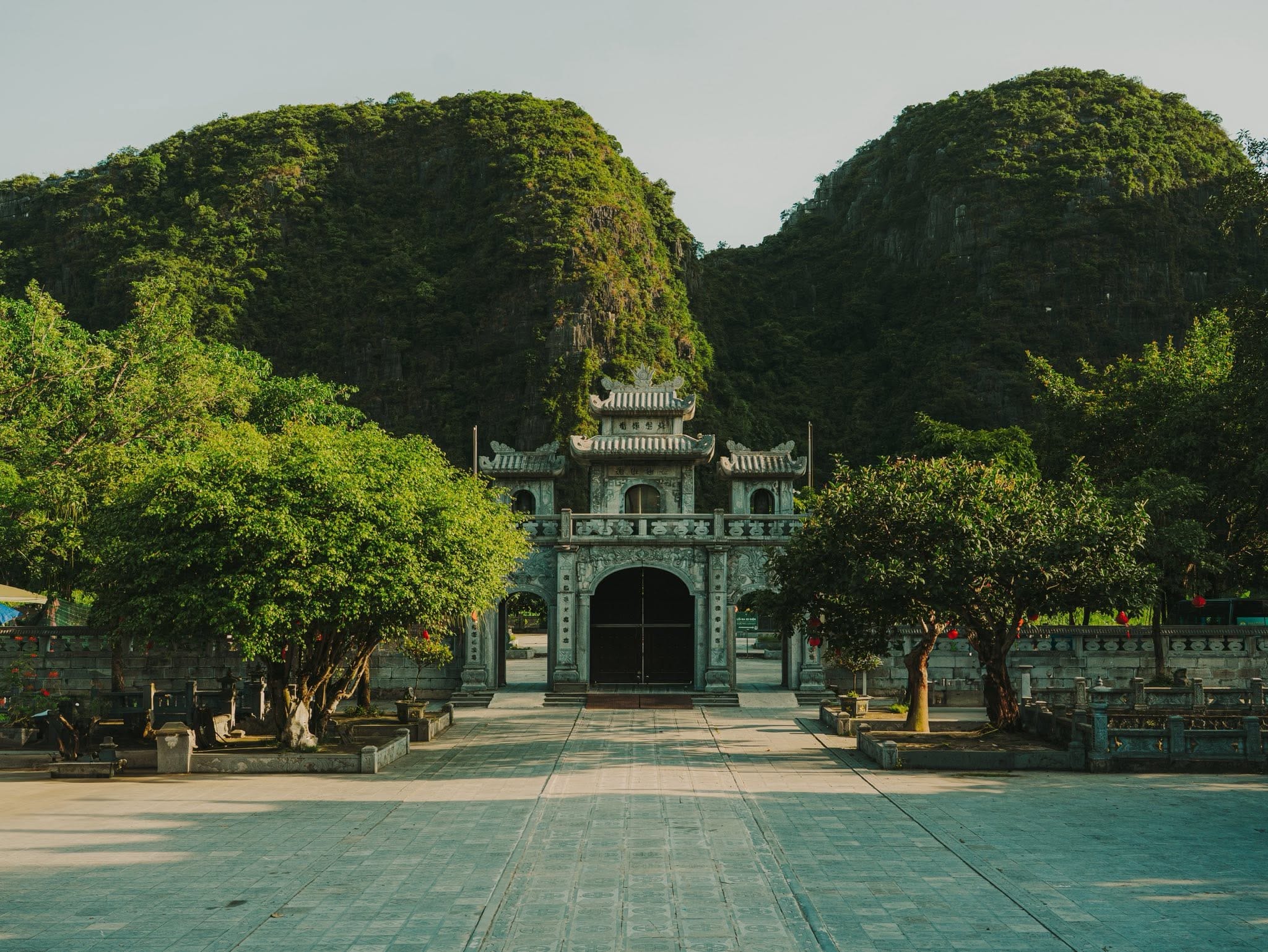
Mua Cave is one of the most famous and unique viewpoints in Ninh Binh, Vietnam, offering travelers a dramatic blend of limestone mountains, winding rivers, and sweeping panoramas. It is nestled within the core zone of the UNESCO-recognized Tràng An Landscape Complex, specifically located in Khe Dau Ha village, Ninh Xuan commune, Hoa Lu district.
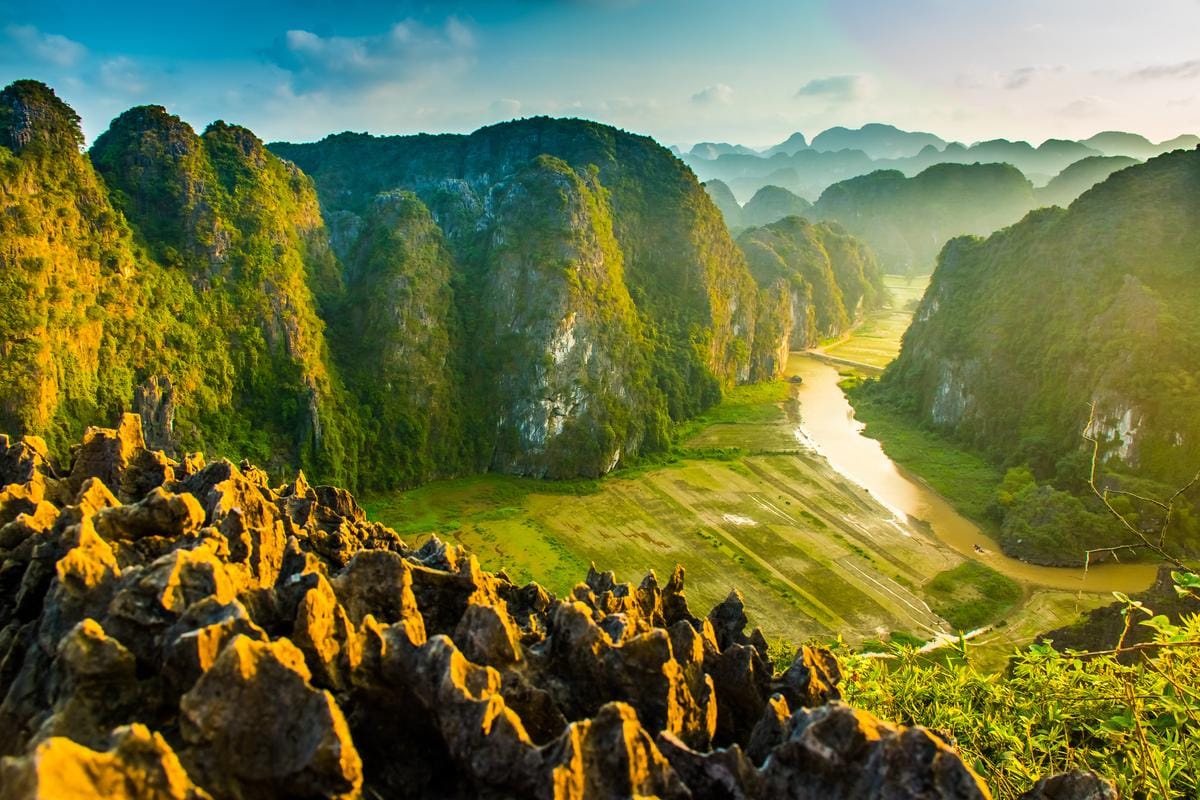
A breathtaking panoramic view of the Tam Coc valley from the Lying Dragon Mountain peak.
Mua Cave rewards every visitor with what many consider the best view in Ninh Binh: a breathtaking scene overlooking the Tam Coc valley, often called the “roof of Ninh Binh”.
The iconic feature is the stone staircase—comprising close to 500 steps—that leads visitors up to the majestic Lying Dragon Mountain (Núi Ngoạ Long). From the summit, a spectacular 360-degree panorama of the Ngo Dong River, vast rice fields, and towering limestone cliffs unfolds.
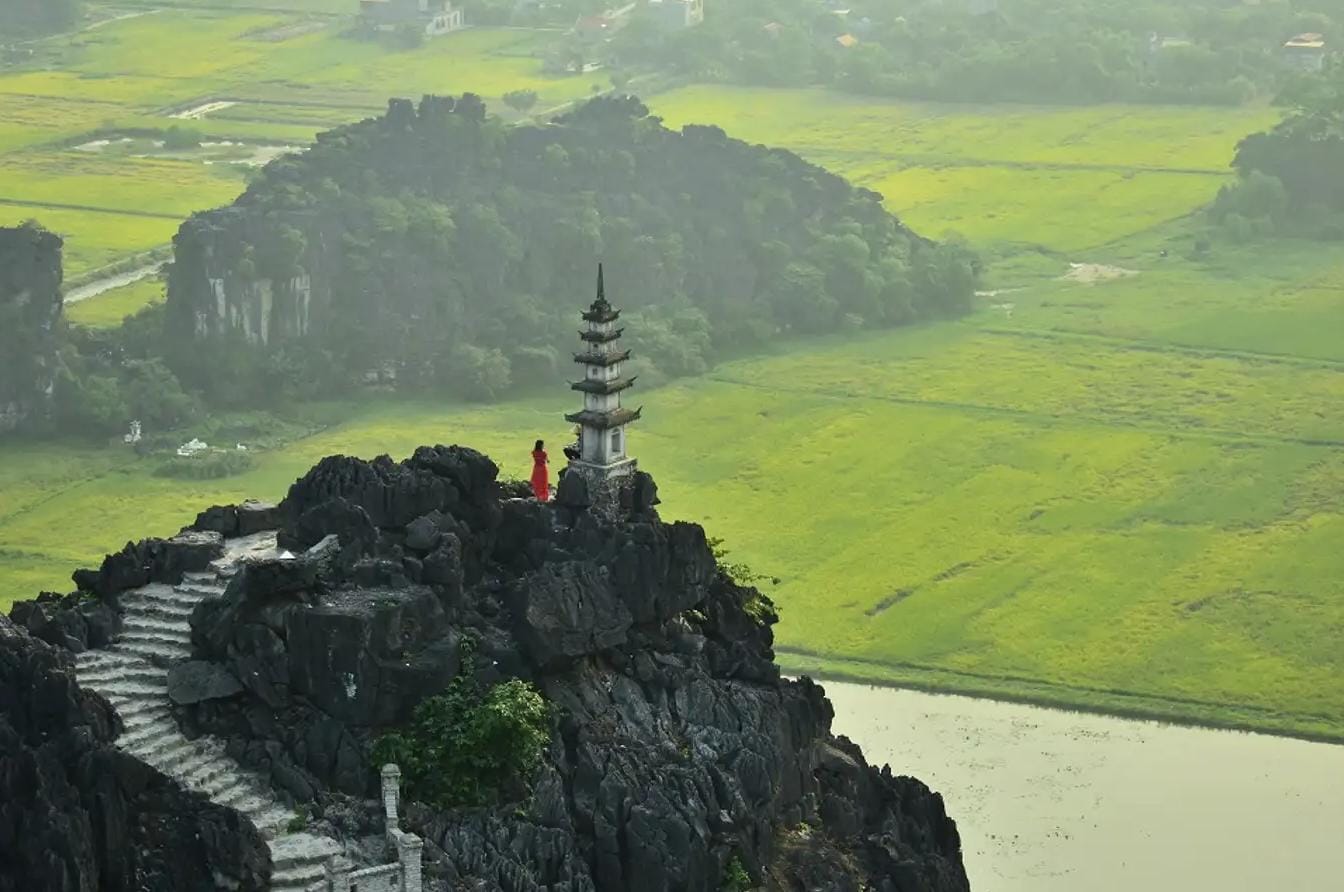
The iconic 500-step stone staircase winding up the dramatic karst formation.
Legend has it that the name “Mua Cave” (Dancing Cave) originated when King Trần Thái Tông, upon establishing the Thái Vi Temple (Am Thái Vi) nearby, frequently visited this mountain to enjoy performances of singing and dancing by royal concubines (mỹ nữ), thus giving the site its poetic name.
Today, the site is not only revered for its folklore but also for being an ideal destination for climbing, photography, and experiencing the unique blend of nature and spiritual wonder that defines Ninh Binh.
First time in Ninh Binh? Check out the ultimate guide to everything you need to know about Vietnam’s poetic “muse”.
Mua Cave is strategically located in the heart of Ninh Binh’s most famous natural area, sitting in Khe Dau Ha village, Ninh Xuan commune, Hoa Lu district. This placement puts it squarely within the core zone of the UNESCO-recognized Tràng An Scenic Landscape Complex.
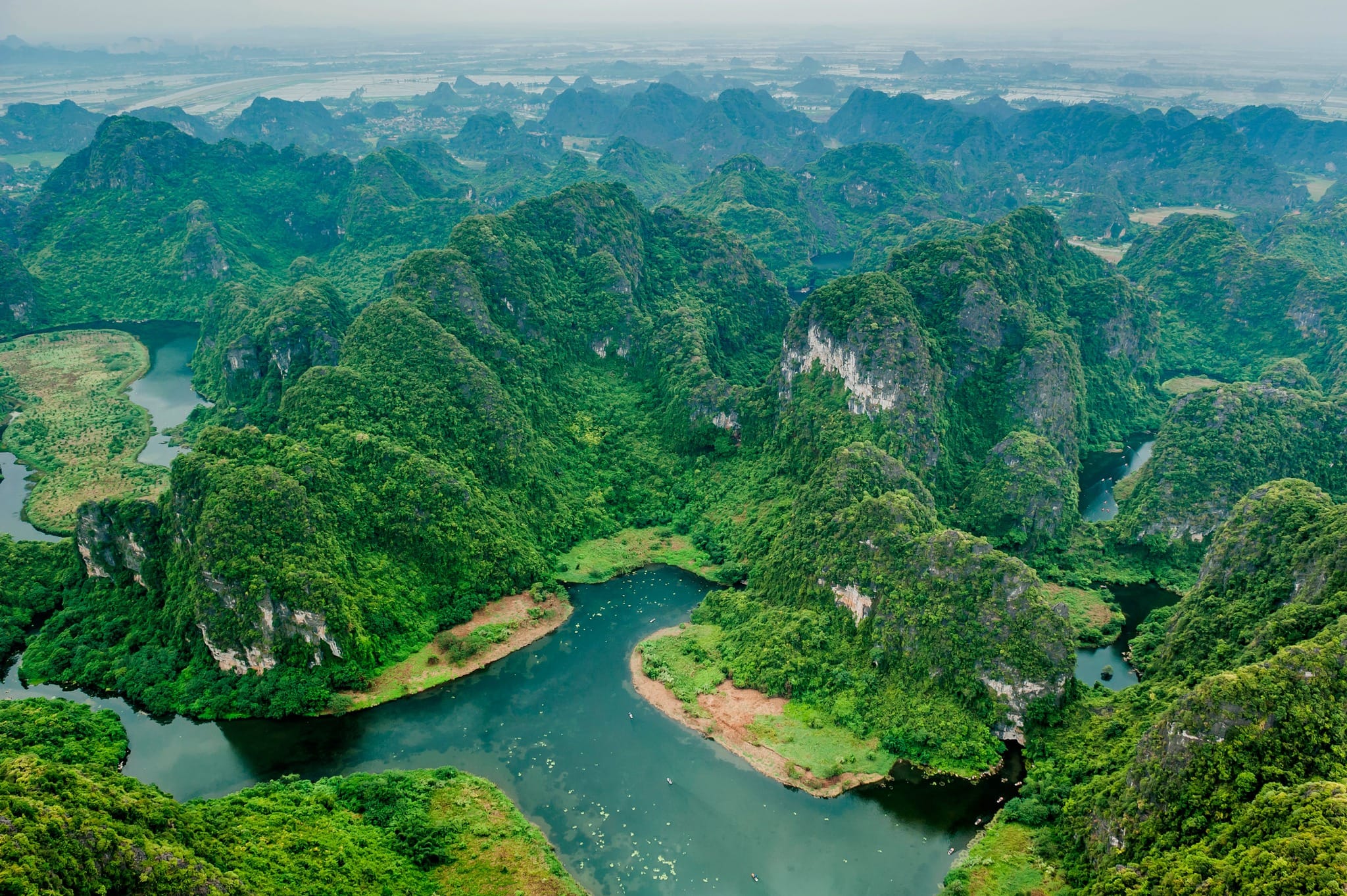
Mua Caves offers a perfect blend of challenging adventure and tranquil natural beauty in Ninh Binh.
It is highly accessible, situated approximately 10km from Ninh Binh City and about 5–7 minutes by motorbike or bicycle from Tam Coc town. The road leading to the site offers scenic views of rice fields and small limestone peaks, reminding visitors why the area is often dubbed “Halong Bay on land”.
The operating hours for Mua Cave are generally from 6:00 AM to 7:00 PM daily, allowing ample time to explore the area.
| Fee Type | Category | Price | Notes |
| Entrance Fee | Adults |
100,000 VND per ticket |
Paid at the main gate. |
| Children |
Free |
Based on height/age criteria. | |
| Parking | Motorbikes |
10,000 – 20,000 VND |
Always use the official parking area inside |
If you’re visiting during peak months (May – August or weekends), come earlier because the ticket line moves more slowly than you’d expect. Parking for motorbikes costs around 10,000 – 20,000 VND. Avoid parking at the unsolicited lots along the road; go straight to the official parking area inside.
Local Tip: Early morning access is often permitted if you arrive quietly around 5:00 AM15. Sunrise is highly recommended for the most peaceful experience and spectacular views16161616
The climb to the Lying Dragon Mountain is the signature experience at Mua Caves. The staircase winds upward through dramatic limestone formations, offering changing views at each turn. The final stretch becomes steeper and narrower, but the reward is a sweeping panorama of the Tam Coc valley and mountain ridges.
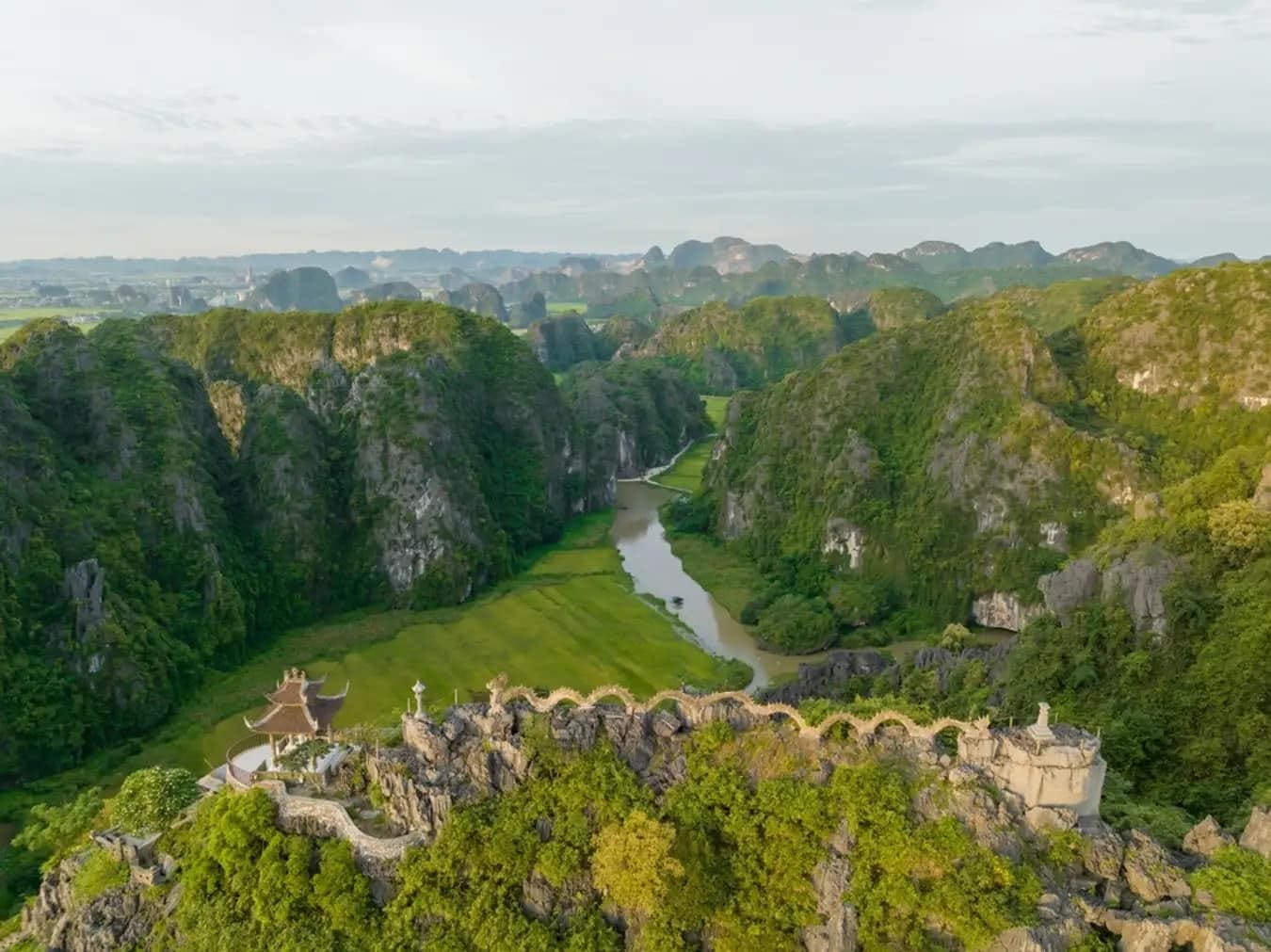
The spectacular view of the golden rice fields during the harvest season (May–June).
The famous dragon statue at the peak creates one of the most recognizable photo spots in Ninh Binh. Visitors should move carefully on the uneven stones, especially during humid or rainy days when the surface becomes slippery.
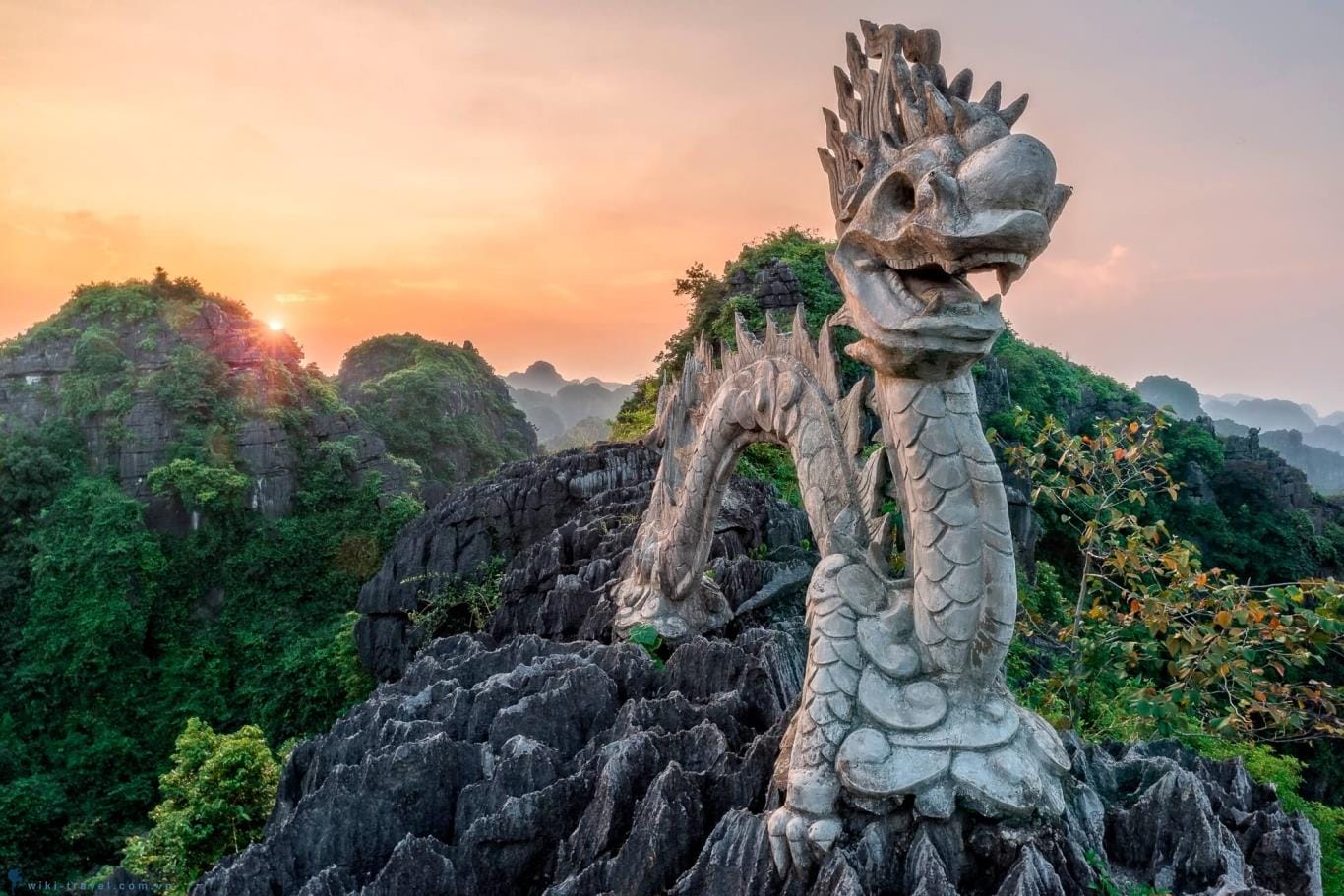
Capturing the unforgettable sunrise from the summit of Mua Caves.
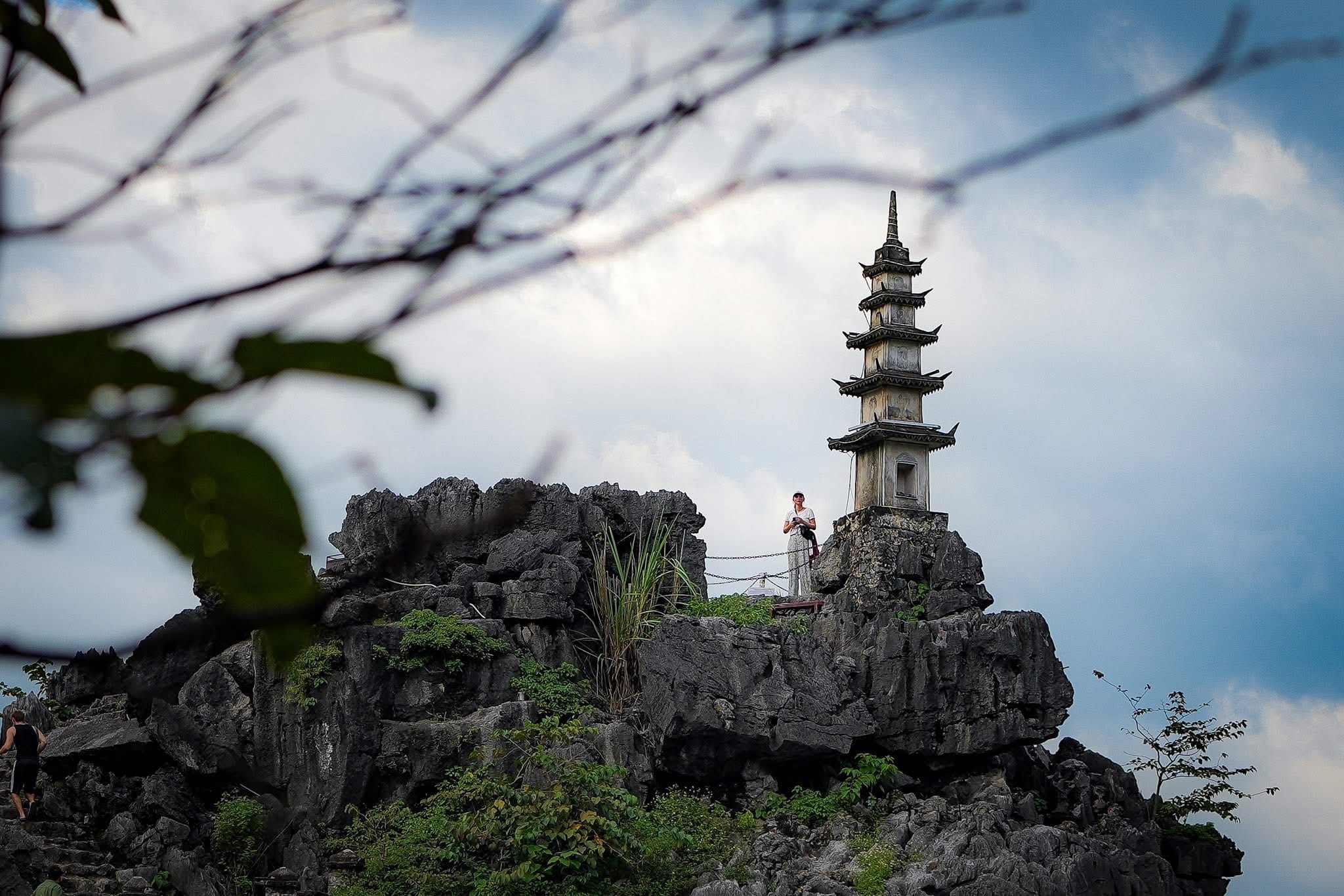
The serene painted landscape of the Ngo Dong River and Tam Coc rice fields viewed from the second peak.
The second peak often receives less attention, yet it offers one of the most stunning perspectives in the entire area. From here, the Tam Coc rice fields and river appear almost like a painted landscape, especially during late May and early June when the valley turns golden.
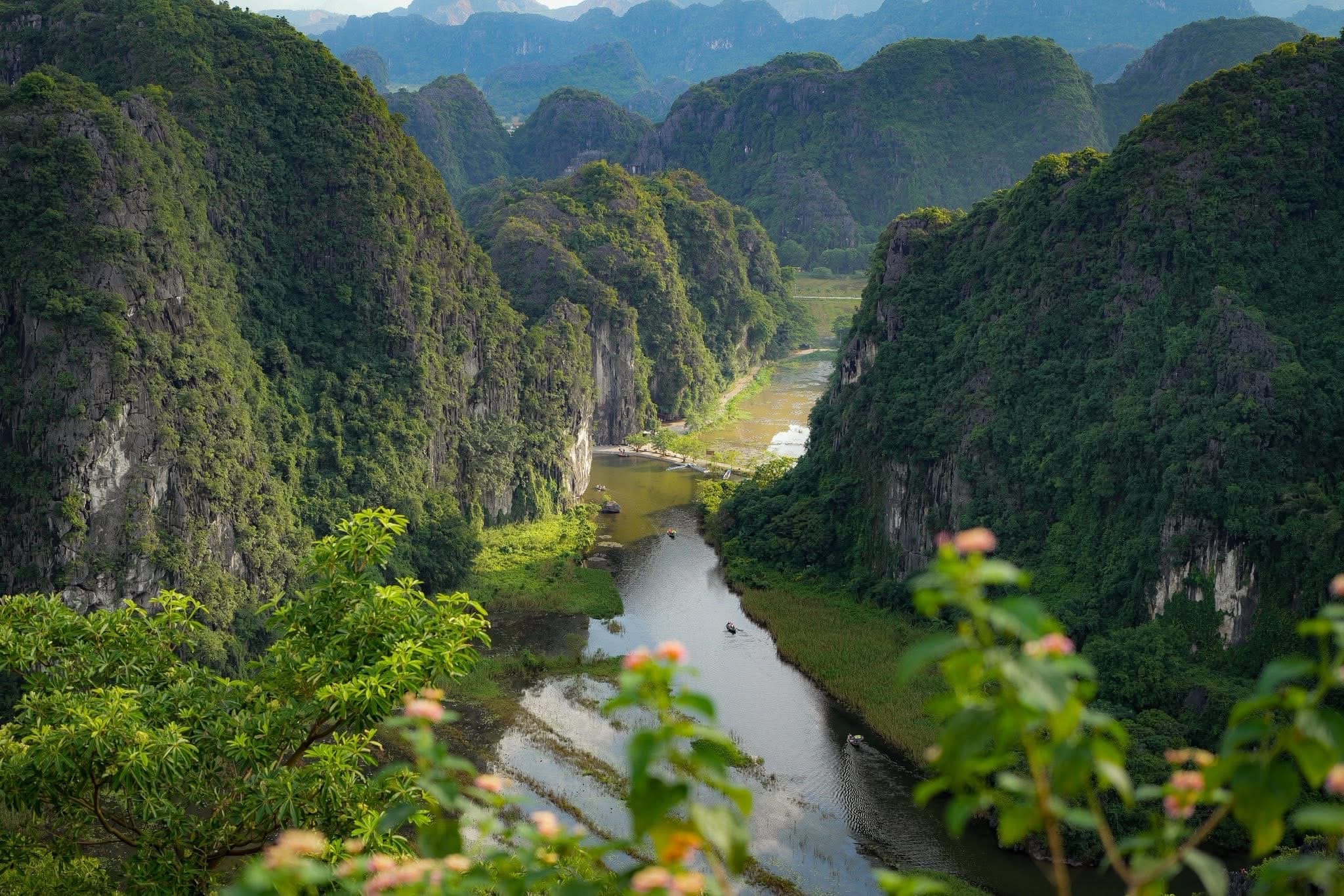
The slightly less strenuous viewpoint at Mua Caves offering a spectacular perspective of the valley.
The ascent is slightly easier than the Dragon Peak, making it suitable for travelers who want beautiful views without the steeper climb. This viewpoint is particularly appealing for photography, thanks to its clear sightline toward the winding waterways below.
At the base of Mua Caves lies a peaceful lotus pond and landscaped garden area, perfect for travelers who prefer a slower-paced experience. Early mornings bring calm water, soft light, and reflections of surrounding limestone cliffs that photographers love.
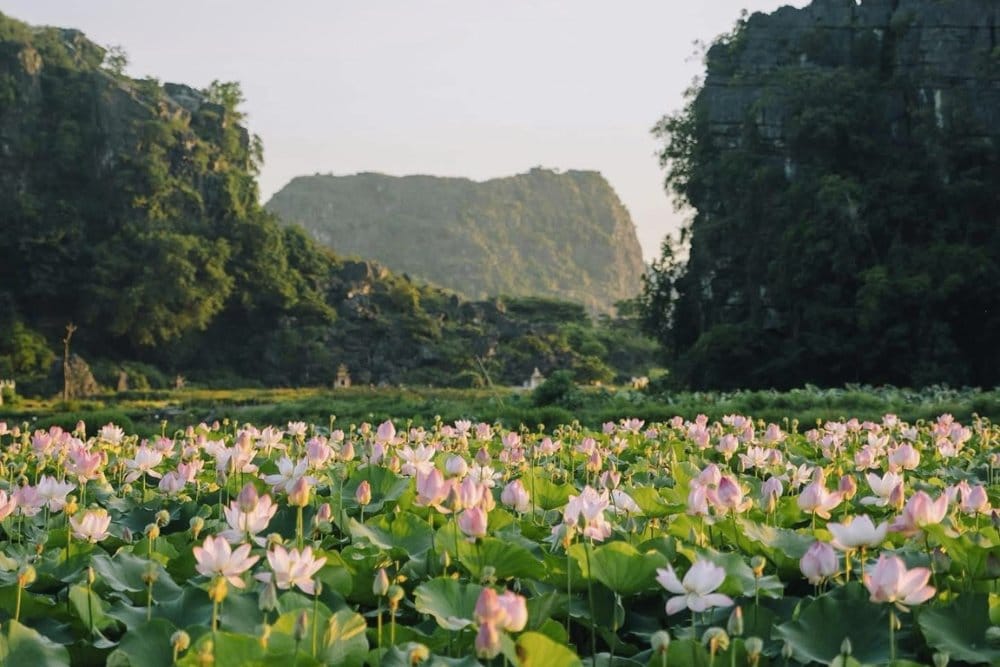
The calm water reflecting the surrounding cliffs, highlighting the peaceful contrast at Mua Caves.
Wooden bridges and stone pathways make this area ideal for scenic walks before or after the climb. During lotus season, the pond becomes an even more impressive sight, offering a tranquil contrast to the more active hiking routes above.
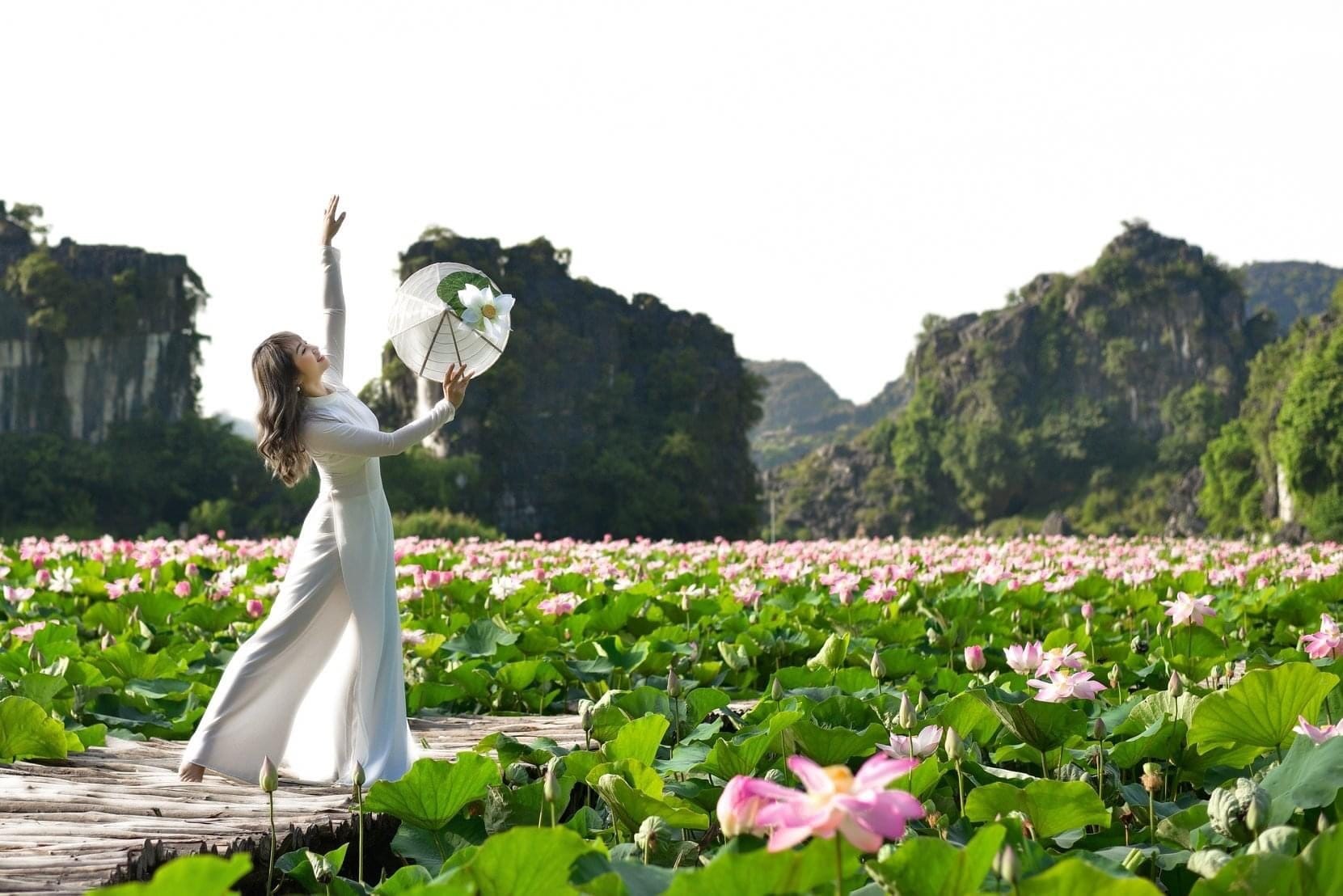
A charming wooden pathway winding through the blooming lotus pond at the base.
The intricately carved stone dragon statue, situated at the summit of Lying Dragon Mountain, is an iconic sight and a powerful symbol of strength and protection, coiling dramatically along the mountainside.
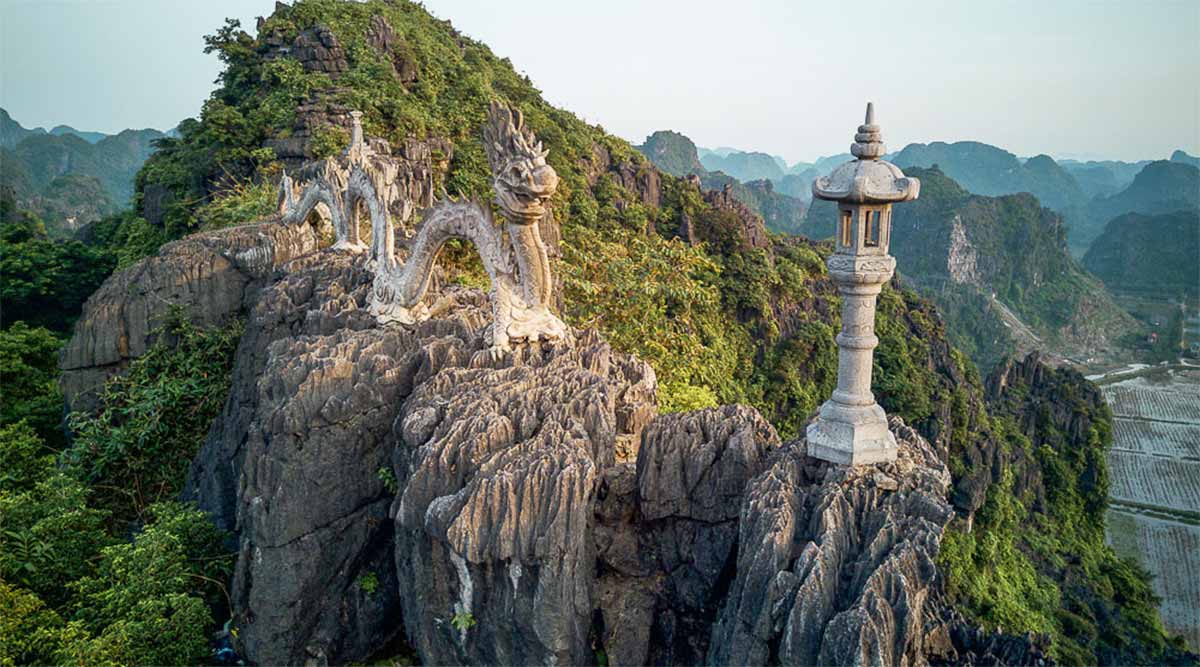
An intricate close-up of the carved stone dragon statue coiling along the summit.
This specific location is a huge favorite among photographers and Instagram enthusiasts for its unique composition and breathtaking backdrop. For the most spectacular photos, visitors often pose near the head or tail of the dragon, utilizing its serpentine body to frame the expansive valley view beneath. To ensure you capture uninterrupted, epic shots, local tip suggests visiting early on weekdays to avoid the peak crowds.
Watching the sunset from the top of Mua Cave is a mesmerizing experience. As the sun descends toward the horizon, it casts a radiant golden light over the towering limestone peaks and the green (or golden, during harvest) fields, creating a truly enchanting spectacle.
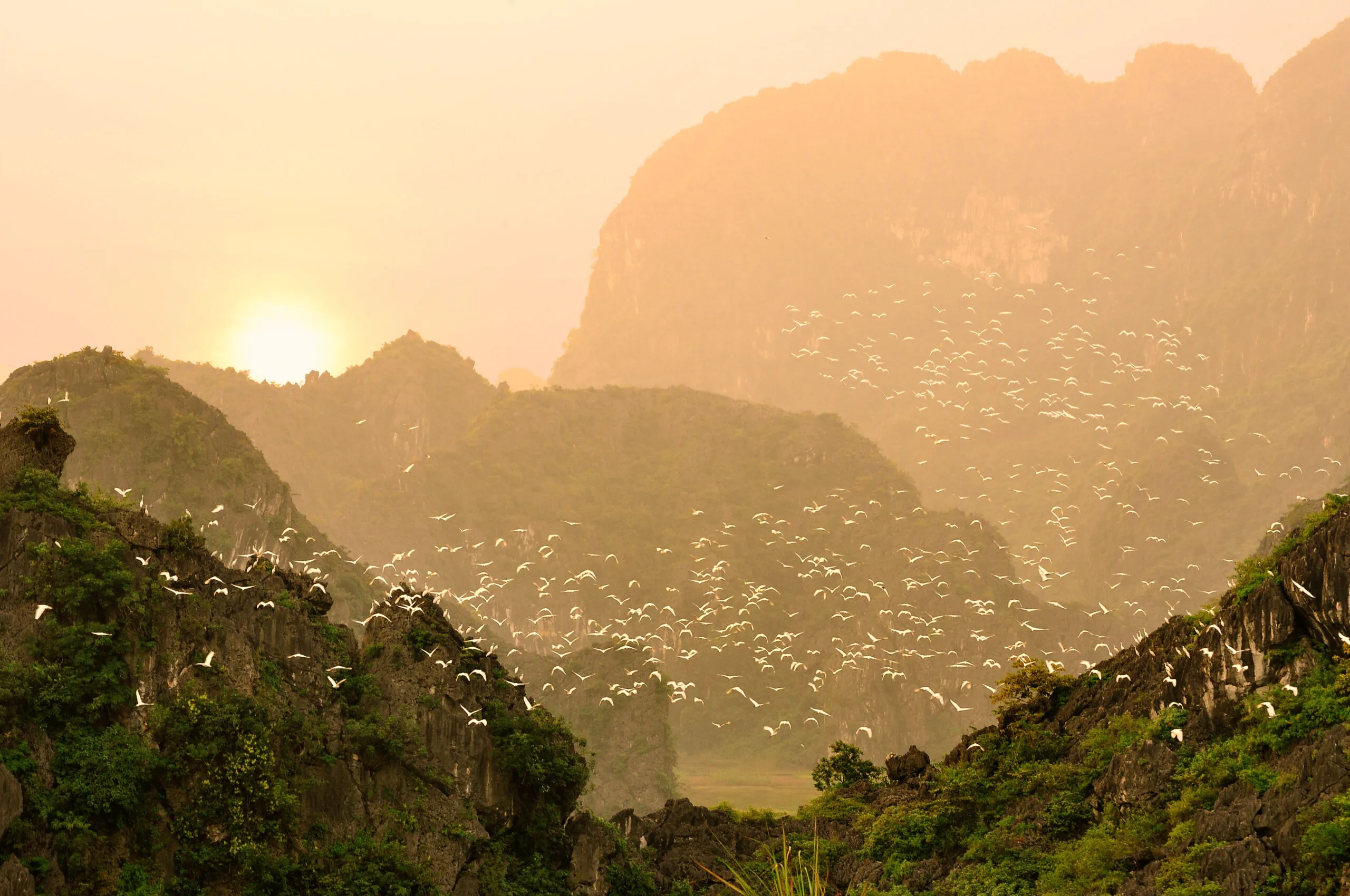
The sun casting a radiant golden light over the Ninh Binh limestone peaks at sunset.
To catch this phenomenon, visitors should begin their ascent about an hour before sunset. The areas near the Avalokiteshvara statue or the tail of the dragon are considered the best vantage points. Remember to bring a flashlight for a safe descent, as the lighting diminishes rapidly after sundown.
Ready to explore deeper? Check out our Ninh Binh Day Trip and 2D1N itineraries for the perfect nature – culture getaway.
Planning your visit during the optimal time ensures you get the most stunning views and comfortable hiking conditions at Mua Cave.
The most picturesque time to explore Mua Cave is between February and June , when the weather is generally dry, and the skies are clear. During this period, the scenery is exceptional:
Spring (February – April): The weather is mild and pleasant, with lush greenery, making it ideal for hiking and sightseeing.
Early Summer (Late May – Early June): This is the harvest season peak, when the Tam Coc rice fields below turn a brilliant golden yellow, offering the most breathtaking panoramic views from the mountain top. This landscape creates a harmonious, picturesque scene.
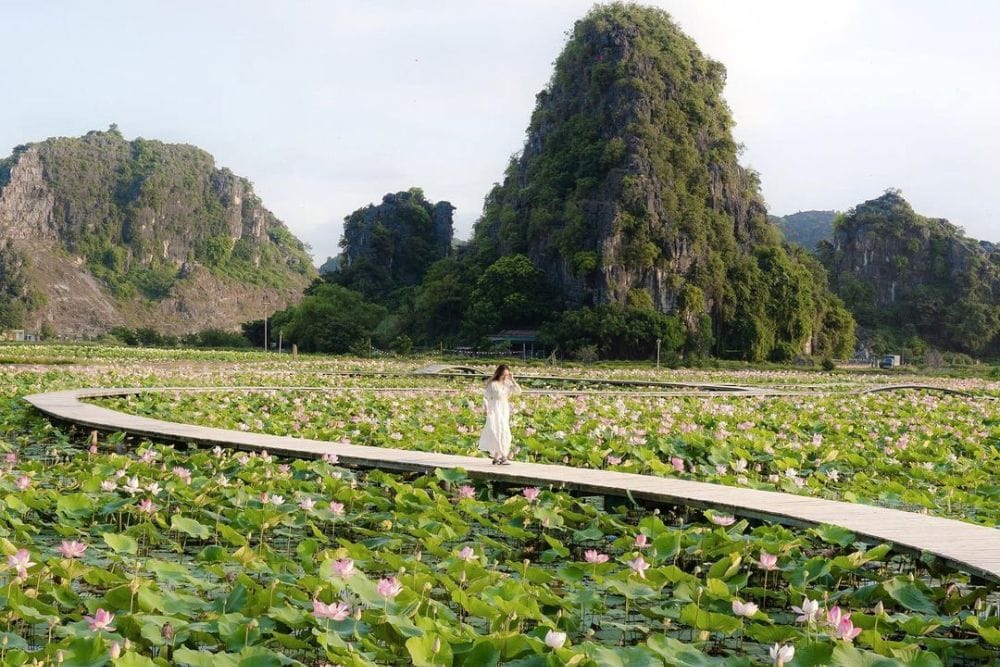
A charming wooden pathway winding through the blooming lotus pond at the base.
Autumn (September – October): Offers comfortably cool and dry weather with minimal rain, perfect for relaxed exploration and photography.
Note: It is generally recommended to avoid visiting during heavy rains, especially from July to August, due to intense heat and slippery paths.
The time of day you choose for your climb can significantly impact your experience at Mua Cave:
Sunrise: This is the ideal time , offering gentle light, cooler temperatures, and fewer crowds. This serene setting ensures you capture quiet, spectacular moments.
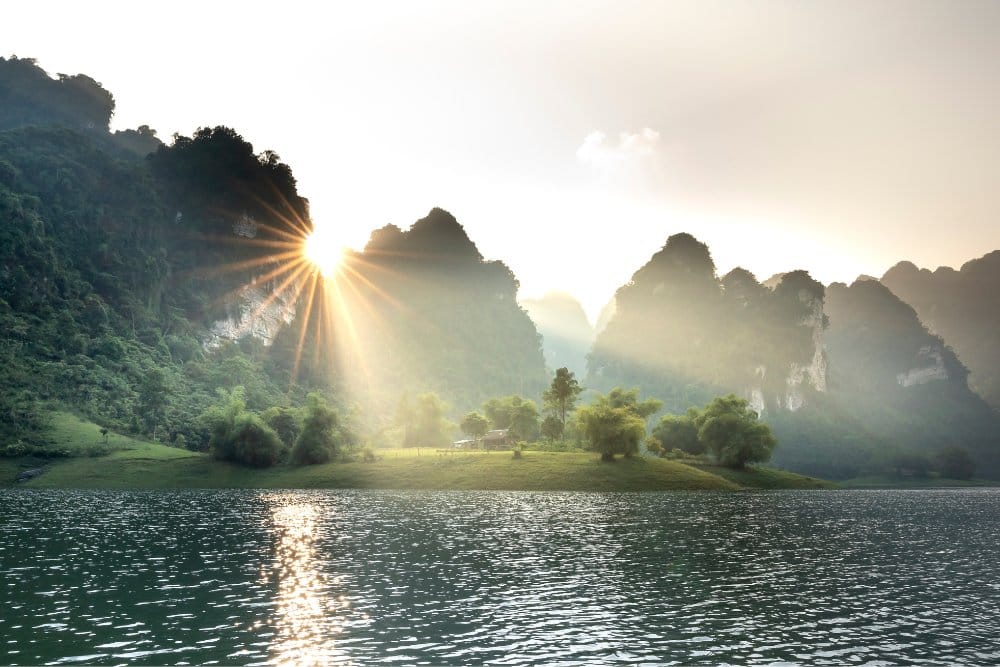
The magical colors of twilight descending over the valley seen from Mua Caves.
Early Afternoon/Late Afternoon: Climbing in the early afternoon is often recommended , while late afternoon is great for capturing dramatic sunset colors across the valley. However, the sunset period tends to attract more visitors.
Midday: Should be avoided due to the intense sun and heat radiating off the limestone steps, which can make the climb surprisingly difficult.
For a complete guide on weather patterns across the country to best plan your trip, read our full guide on the Best Time to Travel to Vietnam 2025.
The stone steps at Mua Caves are uneven, polished by years of visitors, and can become slippery after rain or on humid days. Sneakers or lightweight hiking shoes provide the best grip for the ascent.
Sandals with smooth soles should be avoided, as many travelers lose footing on the steeper sections. Proper footwear makes the climb safer and far more comfortable, especially when navigating narrow or angled stair segments near the upper viewpoints.
Bring Water and Take It Slow
Although the climb consists of only 500 steps, the incline can feel surprisingly intense, particularly under the midday sun. Carrying at least one bottle of water is essential to stay hydrated throughout the hike.
Vendors are available at the base of the mountain, but none operate along the staircase or at the viewpoints. Taking short breaks along the way not only conserves energy but also allows visitors to enjoy the increasingly beautiful views as elevation increases.
Mind the Weather
Weather conditions can significantly affect the overall experience. The dragon peak, in particular, is exposed to strong winds during certain months, making it important to remain mindful when standing near edges or taking photos.
On hot days, the stone steps retain heat, so climbing during early morning or late afternoon offers more pleasant conditions. After rain, the path may become slick, so caution is advised during both ascent and descent.
When selecting your attire, choose comfortable, breathable clothing for the strenuous climb. However, for travelers looking to capture iconic photographs, a unique tip is to wear a flowy long dress or maxi skirt paired with comfortable athletic shoes. This combination is perfect for the 500-step climb while ensuring you capture stunning, vibrant photos at the peak, particularly near the iconic Lying Dragon Statue.
While electronic payments are widely accepted elsewhere, some services at the Mua Caves complex—including the initial entrance fee and on-site costume rental—only accept cash. Be sure to prepare small denominations of Vietnamese Dong (VND) beforehand to ensure smooth and easy purchases.
Help preserve the stunning natural beauty of Mua Caves and the entire Ninh Binh area by committing to a “leave no trace” policy. Do not litter; ensure all waste is disposed of properly to keep the site clean. Maintaining a pristine environment supports sustainability and guarantees every visitor gets to experience the majestic view in its untouched state.
Combine Mua Caves With Nearby Attractions
Because Mua Caves only takes 1.5–2 hours, you can easily pair it with:
This is arguably the most natural and popular pairing, as the stunning panorama you witness from the top of Mua Caves is the Tam Coc valley itself, often called the “Halong Bay on Land.” After viewing the valley from above, descending the steps and experiencing it from the water is a must.
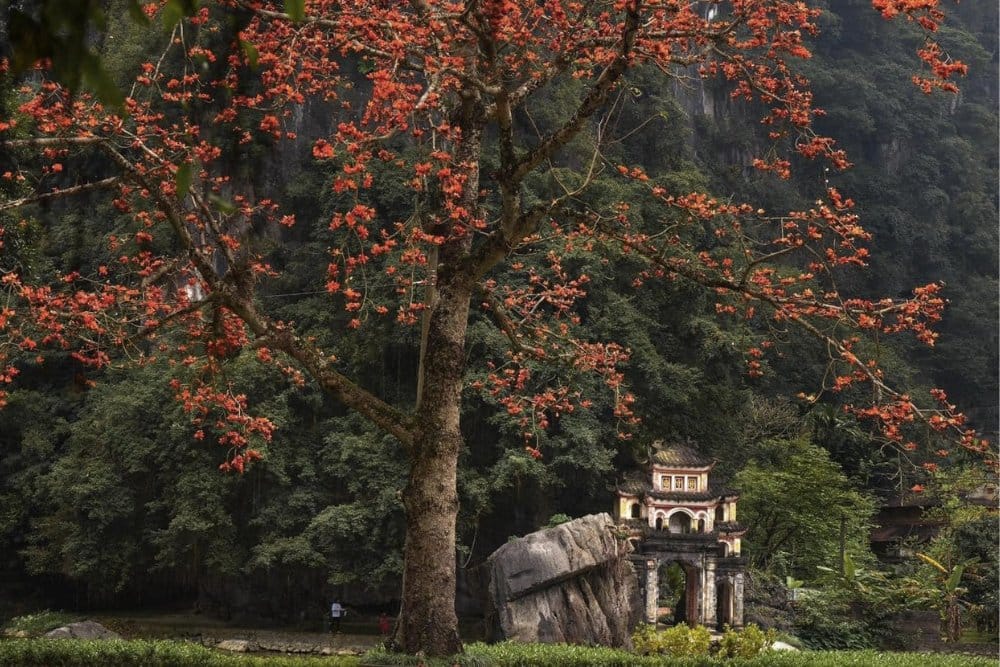
The charming three-tiered architecture of Bich Dong Pagoda built into the mountain.
The traditional boat ride (on a sampan rowed by feet) through the golden rice paddies and three water caves of Tam Coc provides a peaceful contrast to the strenuous climb. Nearby, Bich Dong Pagoda offers a cultural stop with a charming three-tiered temple complex built into the side of a mountain.
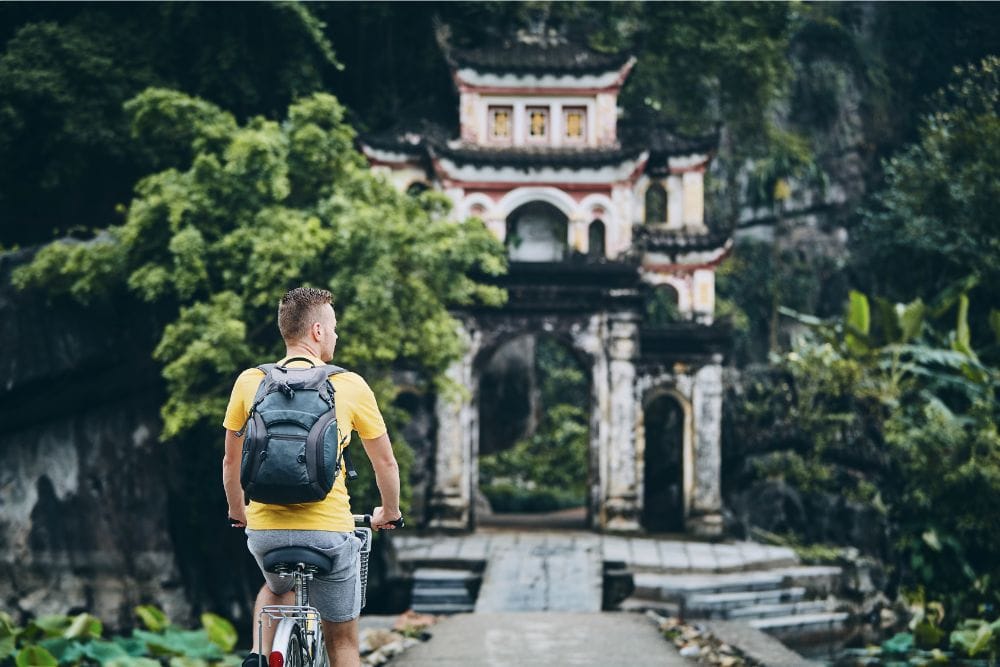
The perfect combination: viewing Tam Coc from the top of Mua Caves and then exploring it by boat.
After viewing the valley from above, descending the steps and experiencing it from the water is a must. The traditional boat ride Tam Coc Bich Dong .
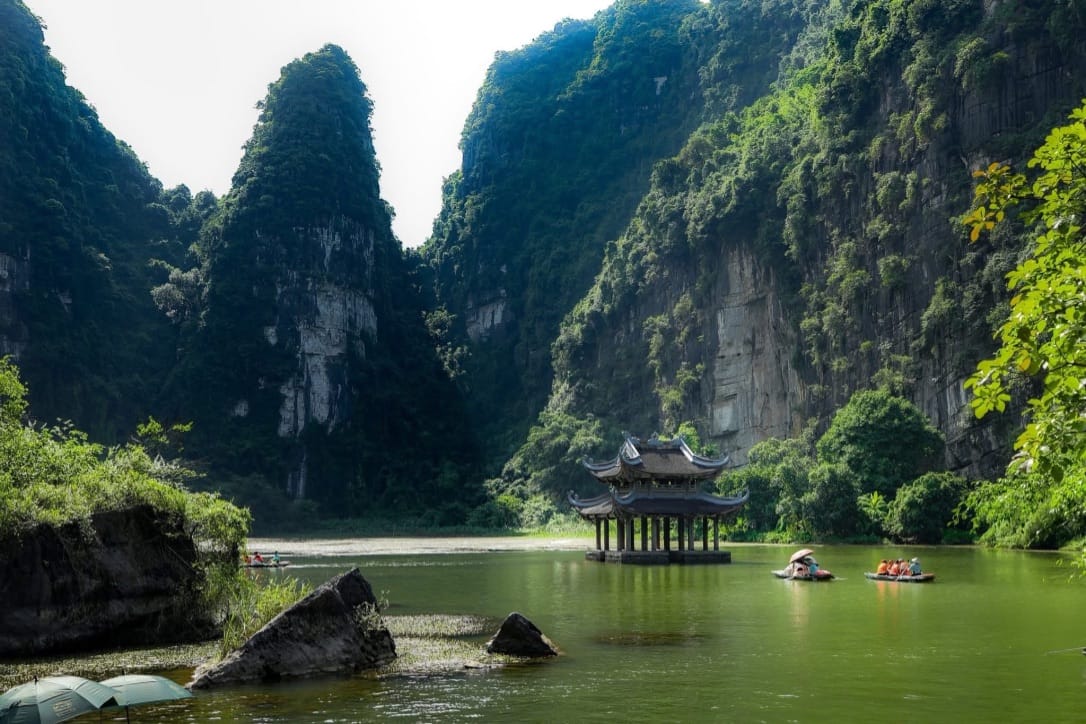
A boat gliding through the dramatic karsts and natural caves of the Trang An UNESCO complex.
As a UNESCO World Heritage site and the largest scenic complex in the area, Trang An is the other major boat trip option. While Tam Coc offers views centered around rice fields, Trang An features larger, more dramatic karsts and a journey through a longer series of natural caves, temples, and valleys.
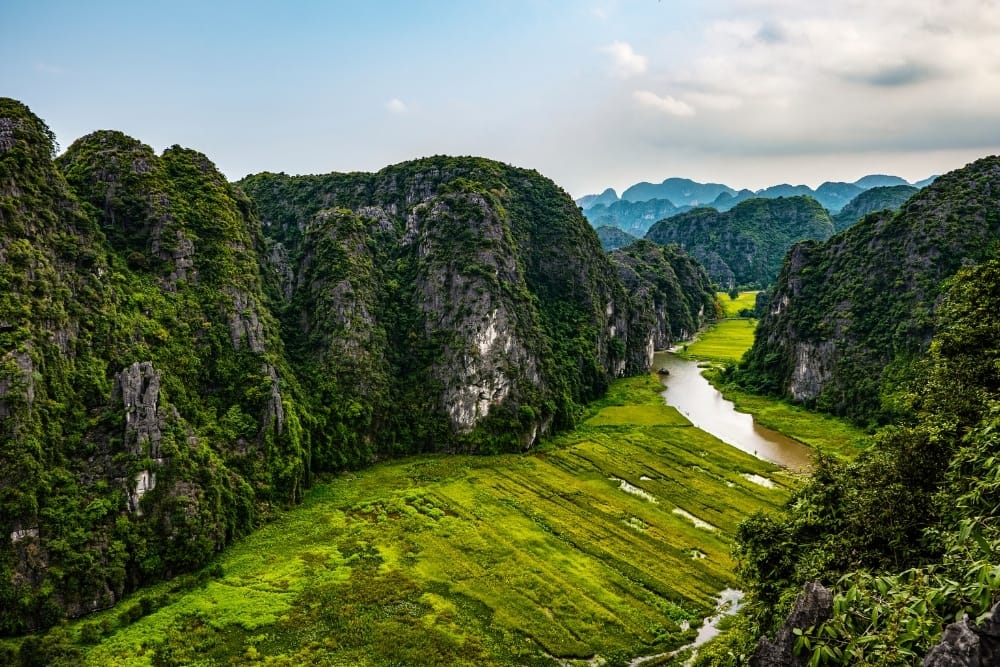
The lush green landscape and towering cliffs that make the region “Halong Bay on Land.”
The most highly recommended local itinerary is to start your day with the unforgettable sunrise climb at Mua Caves and then head straight to either Trang An or Tam Coc for an early boat trip, ensuring you beat the large tour group crowds and enjoy the water while temperatures are still pleasant.
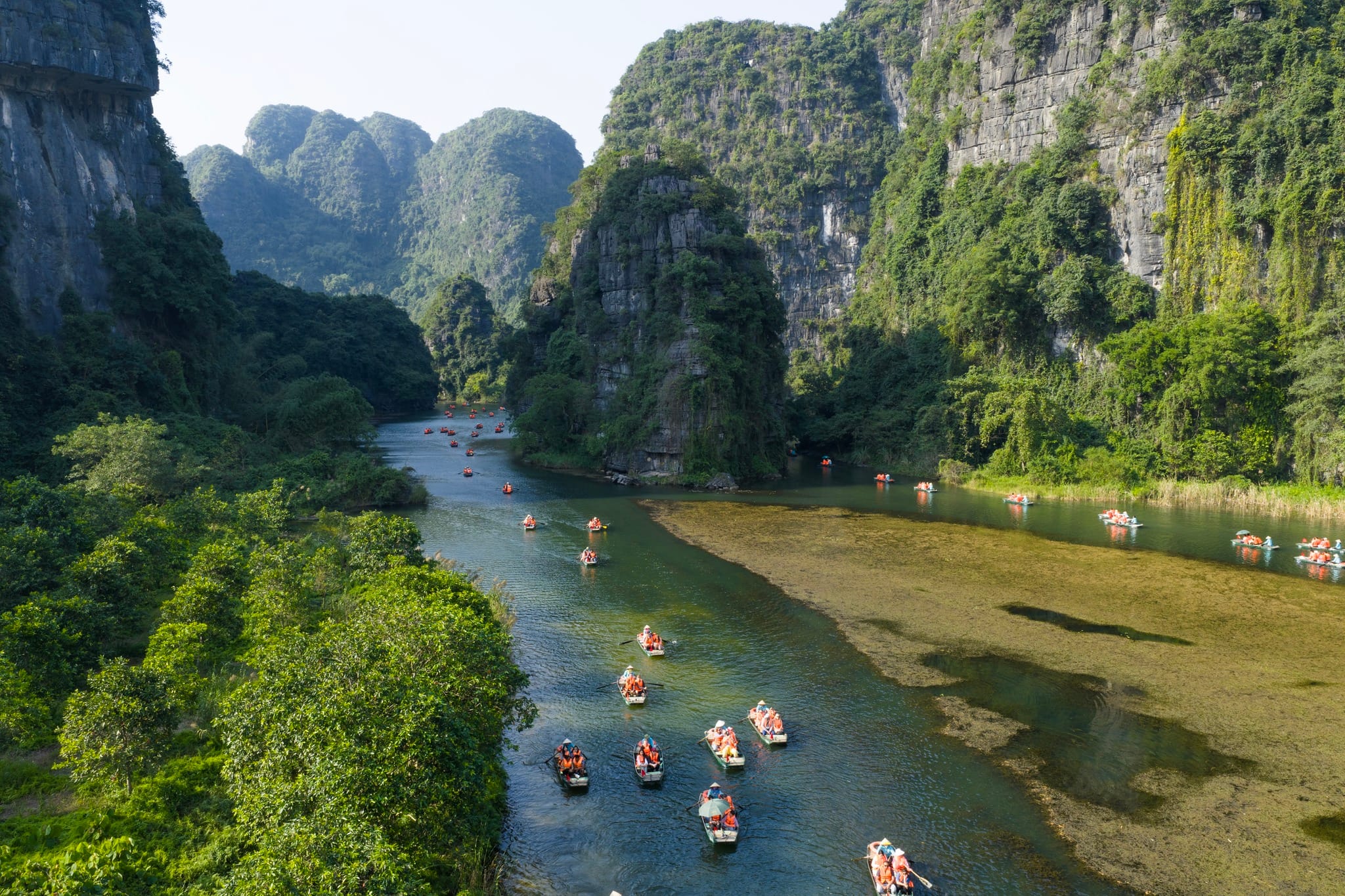
Starting your morning with a sunrise climb at Mua Caves before heading to Trang An.
As a UNESCO World Heritage site and the largest scenic complex in the area, Trang An is the other major boat trip option.
For history enthusiasts, combining the Mua Caves climb with a visit to Hoa Lu Ancient Capital provides a satisfying blend of nature and culture. Hoa Lu was the capital of Vietnam in the 10th and 11th centuries, housing the temples of the Đinh and Lê Dynasties.
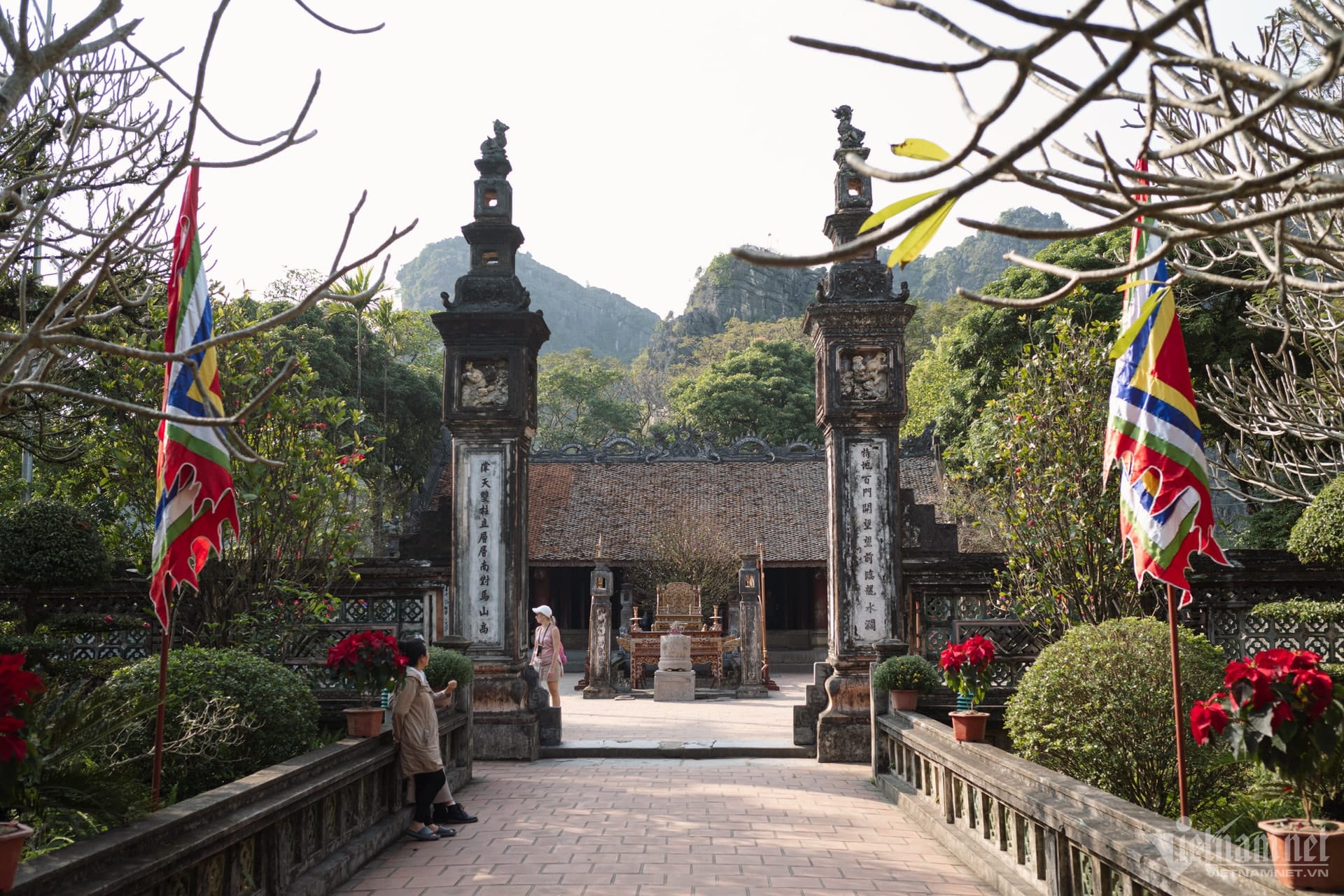
The historic temples of the Đinh and Lê Dynasties at Hoa Lu Ancient Capital.
Since the temples are relatively compact, they can be easily explored in a few hours, making them a perfect historical stop to balance your physical activity before or after your climb to the iconic Mua Cave viewpoint.
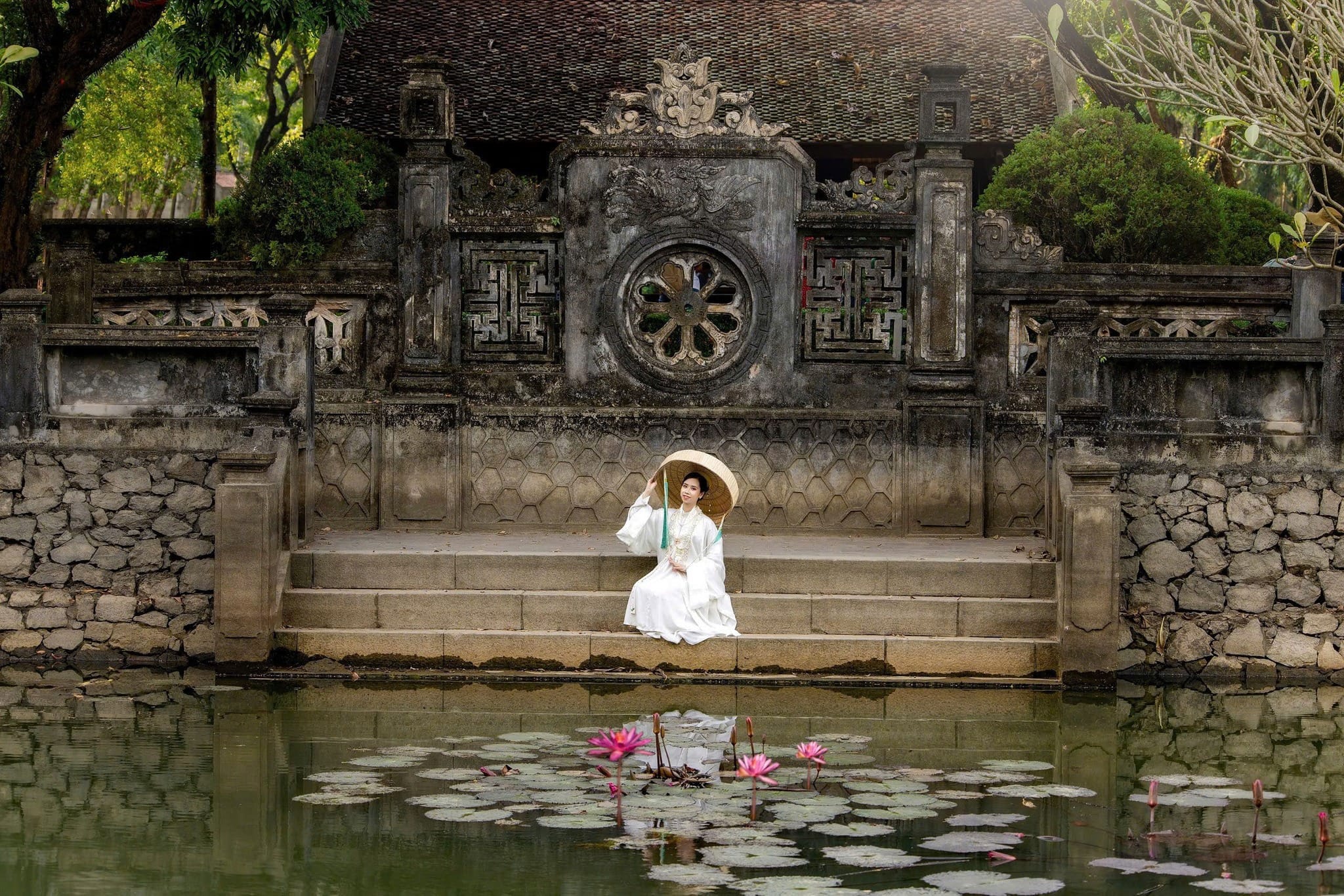
Intricate carvings and traditional architecture inside the temple grounds.
Located deep within the Tam Coc area, Thai Vi Temple offers a peaceful retreat and a journey back to Vietnam’s 13th-century history. This ancient temple, which is completely free to enter, is dedicated to the revered Trần Dynasty kings, particularly King Trần Thái Tông, and is known for its serene setting amidst dramatic limestone karsts and tranquil rice fields.
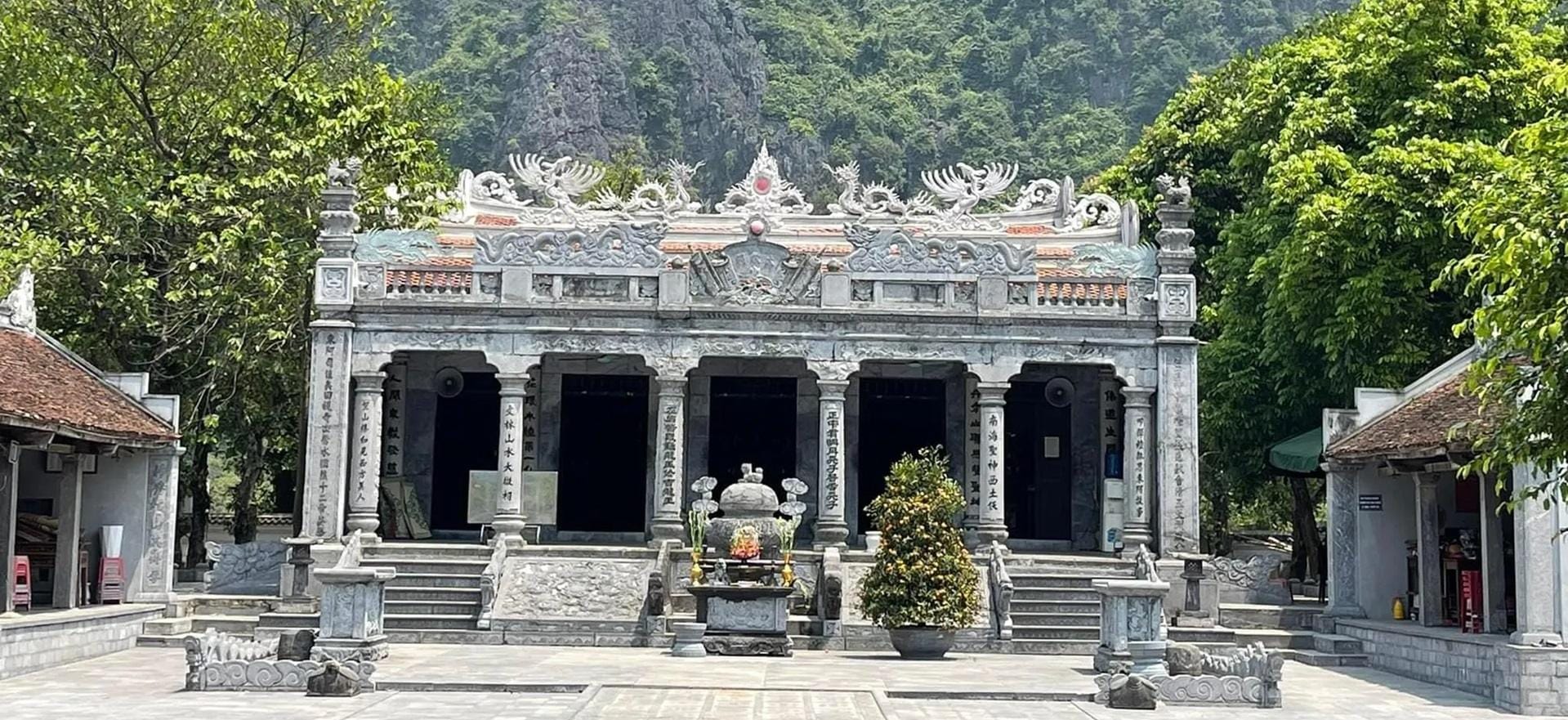
The ancient architecture of Thai Vi Temple set amidst the serene Tam Coc rice fields.
The temple is easily accessible, located just a short and scenic 15–20 minute walk or bicycle ride from the Tam Coc boat wharf. Combining a visit here is ideal after your morning climb at Mua Caves; you can transition from the adventurous heights to a quiet, cultural experience while enjoying a scenic ride through the quintessential Ninh Binh countryside.
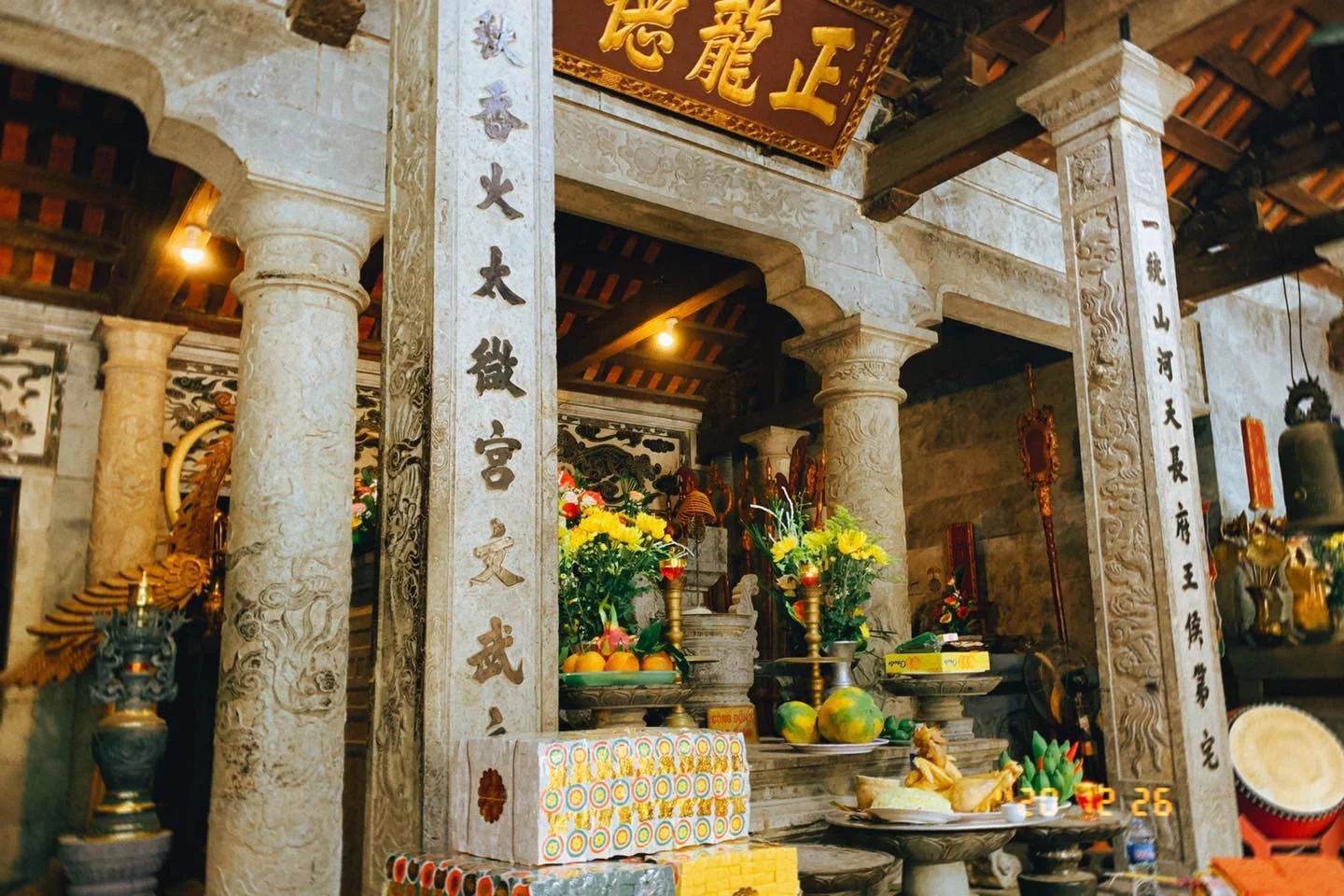
Transitioning from the adventurous heights of Mua Caves to the quiet cultural stop at Thai Vi Temple.
Locals often recommend doing the Mua Caves sunrise climb, then heading straight to Tam Coc or Trang An for early boat trips before the crowds arrive.
After conquering the 500 steps at Mua Caves and exploring the stunning natural landscape of Ninh Binh, finding the perfect place to rest and recharge is essential. The area surrounding Tam Coc and Hoa Lu offers diverse accommodations, from cozy homestays to high-end retreats.
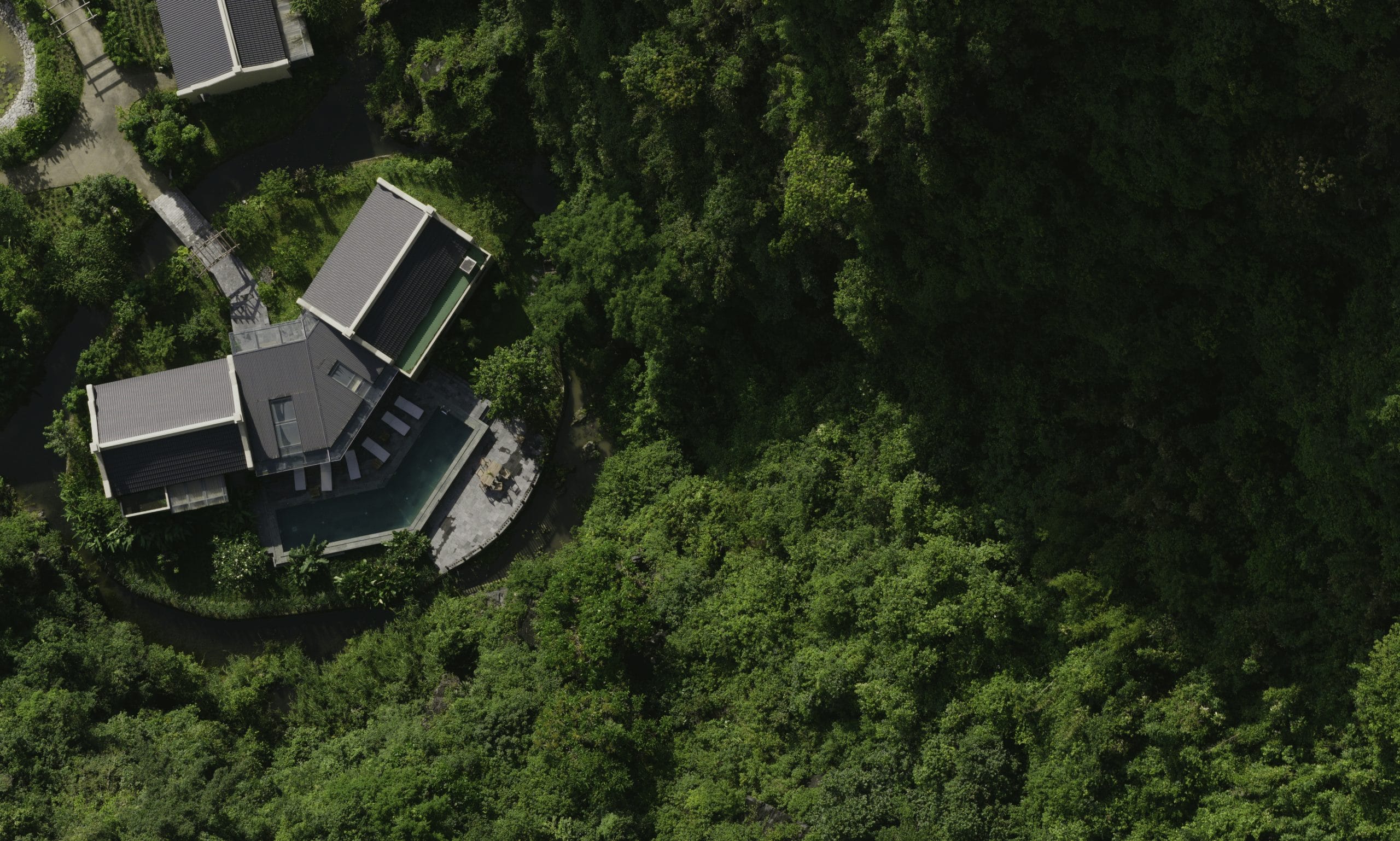
The ideal luxury base camp for relaxation and cultural enrichment near Mua Caves.
For discerning travelers seeking an unparalleled blend of world-class luxury, deep cultural immersion, and holistic wellness, Jiva Hoa Lư Retreat offers an unforgettable experience. As the undisputed jewel among the newest wellness retreats in Asia, Jiva is uniquely positioned within the breathtaking, UNESCO-listed Tràng An Landscape Complex —an area often celebrated as the “Ha Long Bay on Land”.
A boutique hotel nestled near the rice fields, perfect for a peaceful night’s rest.
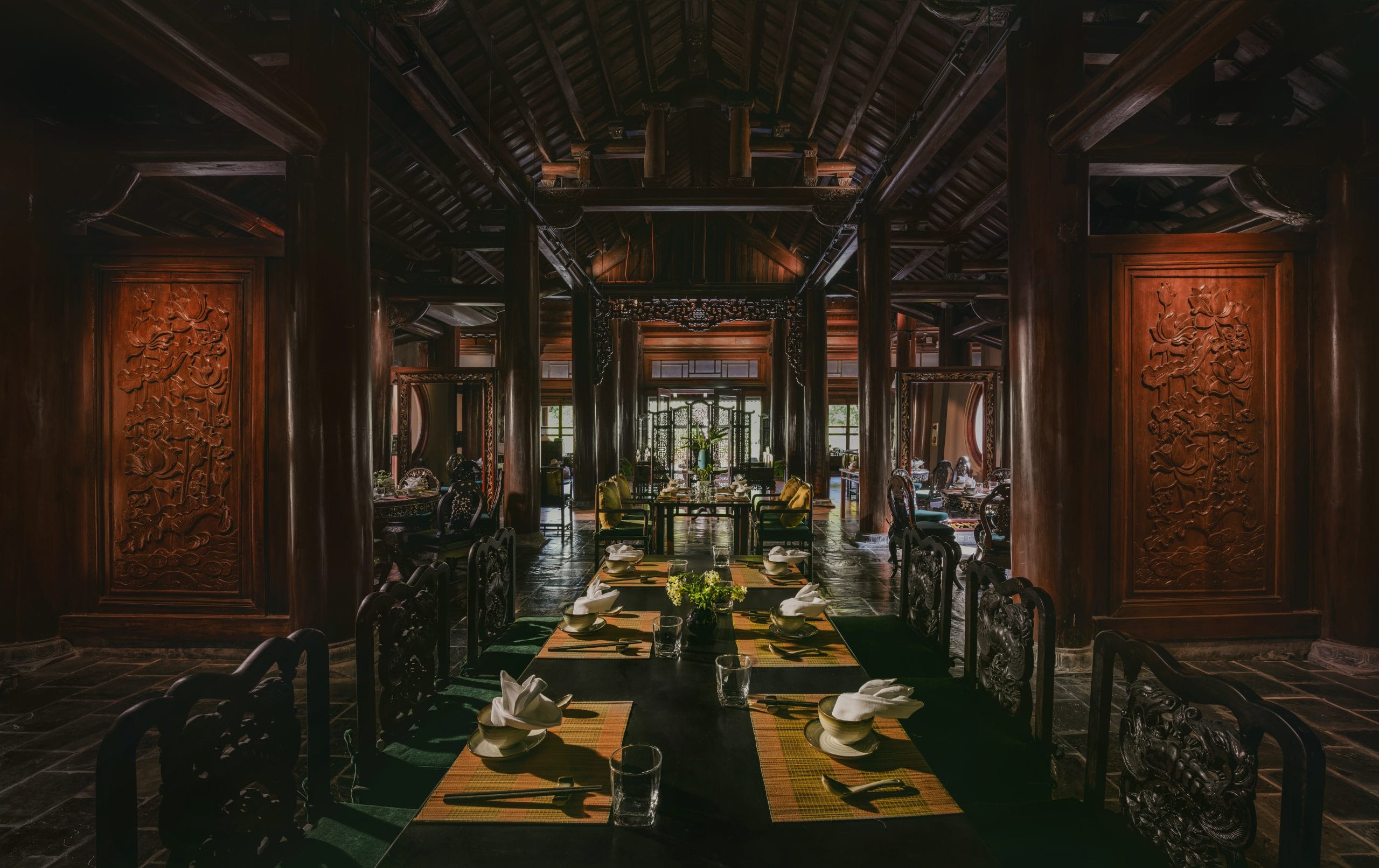
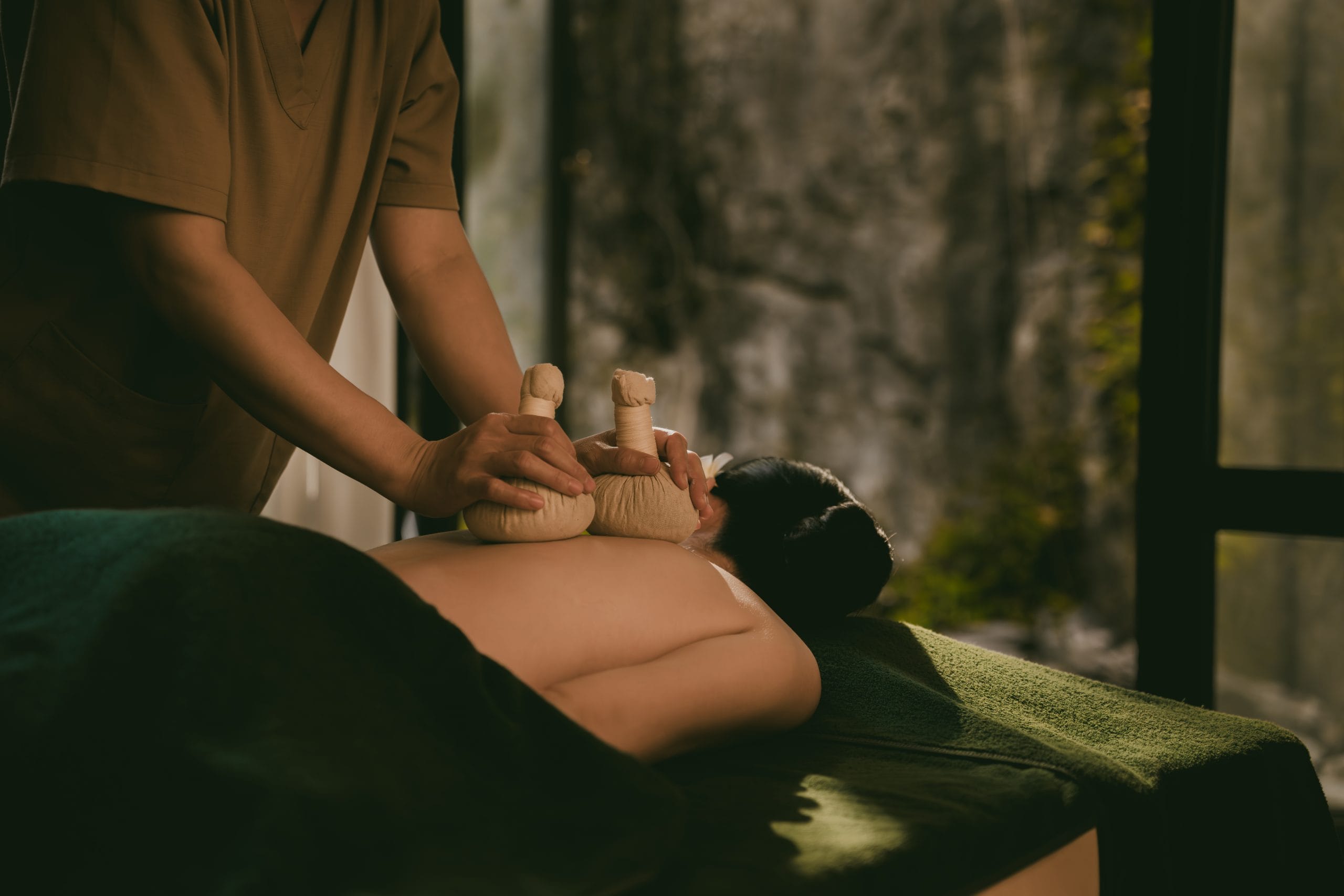
While the retreat serves as a sanctuary near Mua Caves, it offers more than just relaxation; it provides a profound connection to the ancient heart and majestic natural beauty of Vietnam. The retreat specializes in holistic healing rooted in local Vietnamese tradition, featuring therapeutic herbal baths, mindful meditation sessions overlooking dramatic limestone karsts, and bespoke menus utilizing ingredients from its own organic garden.
Guests participating in a mindful meditation session overlooking the dramatic limestone karsts.
The design itself is a form of therapy, seamlessly incorporating traditional Northern Vietnamese architecture and natural materials that harmonize flawlessly with the serene surroundings. Jiva is the definitive choice for those who want their wellness journey to be both profoundly restful and culturally enriching, perfectly complementing the adventurous nature escape offered by Mua Caves.
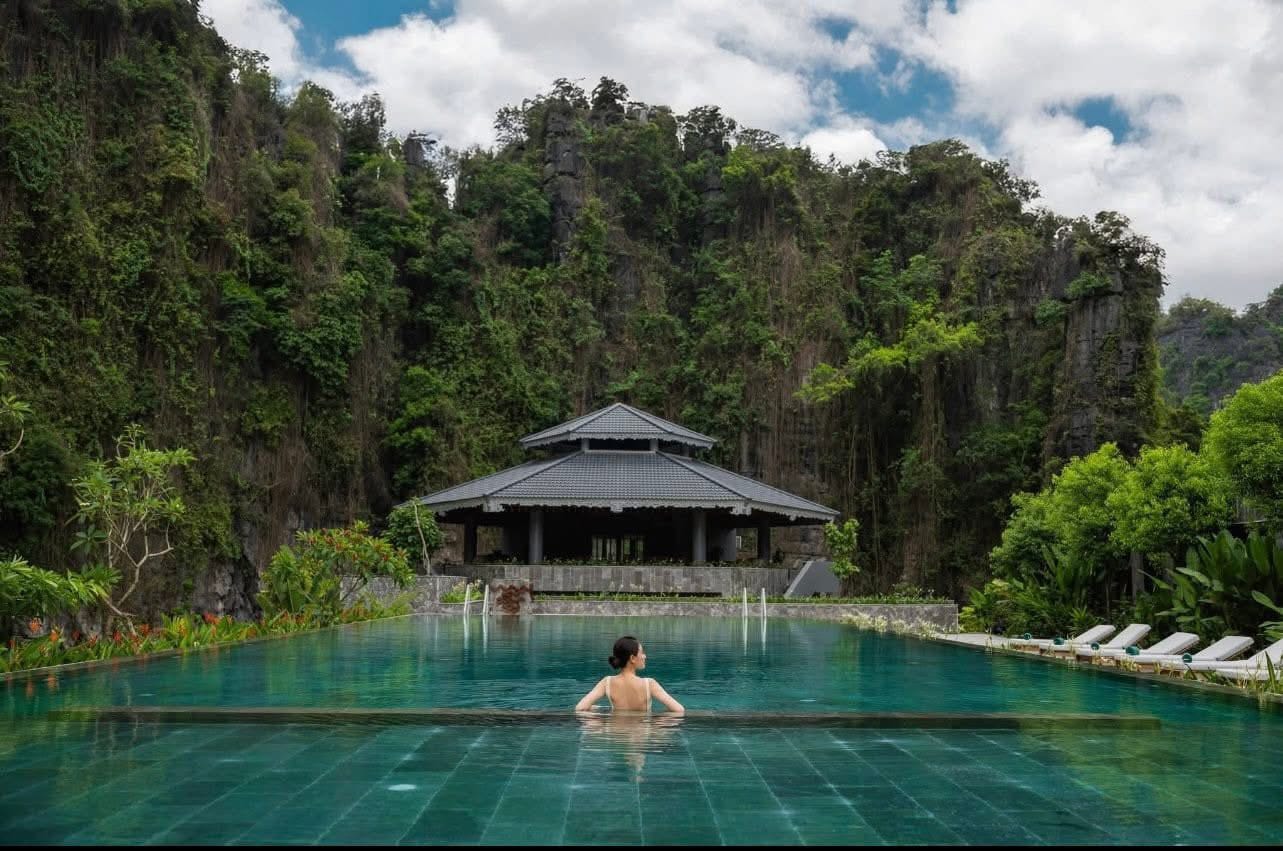
Luxurious villas and private pools at Jiva Hoa Lư, blending traditional Vietnamese architecture with modern comfort.
Immerse yourself in a stay where northern Vietnamese architecture meets world-class comfort. At Jiva Hoalu Retreat, each accommodation blends locally inspired décor with modern luxuries, offering a unique fusion of culture, tradition, and elegance. Whether you’re here for a romantic getaway, a family escape, or a tranquil retreat, Jiva promises unforgettable moments in the heart of Ninh Binh.
Contact Us:
📞 +84 933 006 886
📧 inquiry@jivahoaluretreat.com
🌐 https://demo.jivahoaluretreat.com/
Thank you for your reservation.
You will receive a confirmation from us momentarily
Thank you for reaching out. Your request has been received. Our team will respond within 24 hours.